

Industrial growth brings undeniable economic value. But it also introduces a serious responsibility: controlling wastewater discharge. For chemical plants, this responsibility is not optional—it is regulated, scrutinized, and increasingly monitored in real time.
Poorly managed effluent does more than violate permits. It contaminates ecosystems, threatens drinking water sources, and damages public trust. Monitoring, therefore, is not just about compliance. It is about control, prevention, and accountability.
This article explores how chemical plant wastewater discharge should be monitored—from regulatory frameworks to real-time instrumentation—while addressing common industry FAQs and integrating practical solutions using advanced monitoring systems.
1. Why Wastewater Monitoring Matters in Chemical Plants?
Chemical wastewater is complex. It often contains organic compounds, heavy metals, toxic by-products, and fluctuating pH levels. Without proper monitoring, even treated discharge can become hazardous.
Monitoring serves three critical purposes:
- Regulatory compliance: Avoid fines, shutdowns, and legal consequences
- Environmental protection: Prevent ecological damage and contamination of surface and groundwater
- Operational optimization: Identify inefficiencies and improve treatment processes
In fact, continuous monitoring allows facilities to understand exactly what they are discharging at any moment—not just during periodic lab tests .
2. Regulatory Requirements and Discharge Standards
Every chemical plant operates under a discharge permit. These permits define:
- Maximum allowable pollutant concentrations
- Monitoring frequency
- Required parameters
Typical regulated parameters include:
- Chemical Oxygen Demand (COD)
- Biological Oxygen Demand (BOD)
- pH
- Total Suspended Solids (TSS)
- Ammonia nitrogen (NH₃-N)
- Total nitrogen (TN) and total phosphorus (TP)
- Flow rate
These parameters are widely recognized across global regulations and monitoring guidelines .
For example, COD and BOD are essential indicators of organic pollution. High values can deplete oxygen in receiving waters, harming aquatic life .
In regions such as Taiwan and China, regulations increasingly require:
- Automatic online monitoring systems
- Real-time data transmission to authorities
- Public disclosure of discharge data
This shift reflects a broader global trend: from periodic sampling to continuous, transparent monitoring .

3. Key Parameters That Must Be Monitored
Effective monitoring begins with selecting the right parameters. These can be grouped into four categories:
3.1 Organic Pollution Indicators
- COD (Chemical Oxygen Demand)
- BOD (Biological Oxygen Demand)
- TOC (Total Organic Carbon)
COD is particularly critical because it provides rapid insight into pollution load and can be monitored in real time .
3.2 Physical Parameters
- Temperature
- Turbidity
- Total Suspended Solids (TSS)
- Conductivity
These parameters affect both treatment efficiency and environmental impact.
3.3 Chemical Parameters
- pH
- Dissolved Oxygen (DO)
- Ammonia nitrogen (NH₃-N)
- Nitrate and phosphate
pH, for instance, directly influences chemical reactions and toxicity levels in water systems .
3.4 Toxic and Industry-Specific Pollutants
Depending on the chemical process:
- Heavy metals (e.g., lead, mercury, chromium)
- Cyanide
- Phenols
- Oil and grease
These pollutants often require specialized sensors and stricter discharge limits.

4. Monitoring Methods: From Manual Sampling to Smart Systems
4.1 Traditional Manual Sampling
Historically, wastewater monitoring relied on:
- Grab sampling
- Laboratory analysis
While accurate, this approach has limitations:
- Time delays
- Risk of missing peak pollution events
- Human error
4.2 Online Continuous Monitoring (Recommended)
Modern plants are rapidly adopting online monitoring systems, which provide:
- Real-time data
- Automated alerts
- Continuous compliance tracking
These systems integrate multiple sensors to measure key parameters simultaneously and transmit data to centralized platforms .
Advantages:
- Immediate detection of abnormal discharge
- Reduced labor costs
- Improved process control
- Regulatory transparency
5. Core Technologies Used in Wastewater Monitoring
5.1 Sensor-Based Monitoring
Common sensors include:
- pH sensors (glass electrode method)
- COD analyzers (UV or dichromate method)
- Ammonia sensors (ion-selective electrodes)
- DO sensors (fluorescence method)
These sensors are designed for continuous operation and can output signals for integration into control systems .
5.2 Spectroscopy and Advanced Analytics
Emerging technologies include:
- Near-infrared spectroscopy (NIR)
- UV-Vis absorption
- Fluorescence monitoring
These methods enhance accuracy and allow for faster detection of complex pollutants.
5.3 Smart Data Systems
Modern monitoring is not just about measurement—it’s about data intelligence:
- Cloud-based platforms
- Remote monitoring dashboards
- AI-driven anomaly detection

6. Where Should Monitoring Points Be Installed?
Strategic placement is essential. Monitoring should occur at:
- Influent (incoming wastewater)
- Key treatment stages
- Final discharge outlet
Monitoring at multiple points helps identify pollution sources and optimize treatment efficiency. It also prevents dilution from masking problem areas.
7. Integration with Drinking Water Safety
This is often overlooked—but critically important.
Chemical plant discharge can directly affect:
- Rivers used for drinking water
- Groundwater aquifers
- Municipal water sources
Poor wastewater monitoring can lead to contamination events that compromise drinking water safety.
For example:
- High ammonia levels can interfere with disinfection
- Organic pollutants increase chlorine demand
- Toxic compounds can pass through treatment systems
Thus, wastewater monitoring is indirectly—but fundamentally—linked to safe drinking water supply.
8. Common FAQs About Wastewater Monitoring
Q1: What is the most important parameter?
There is no single answer. However, COD, pH, and flow rate are considered core indicators across most industries.
Q2: How often should wastewater be monitored?
- Manual sampling: Daily or weekly
- Online monitoring: Continuous (recommended)
Continuous systems provide a more accurate picture of fluctuations.
Q3: Can small plants rely only on manual testing?
Technically yes. Practically, no.
Manual testing alone risks missing pollution spikes and may not meet modern regulatory expectations.
Q4: What happens if discharge exceeds limits?
Consequences include:
- Fines and penalties
- Production shutdown
- Legal action
- Environmental damage
Q5: How to ensure monitoring accuracy?
- Regular calibration of sensors
- Validation with laboratory testing
- Routine maintenance
Calibration is essential, as sensor accuracy can drift over time .
9. Practical Monitoring Solutions for Chemical Plants
To implement an effective monitoring system, chemical plants should adopt:
9.1 Multi-Parameter Online Analyzers
These systems measure:
- COD
- Ammonia nitrogen
- Total phosphorus
- pH
- Dissolved oxygen
They provide a comprehensive view of wastewater quality in real time.
9.2 Integrated Monitoring Platforms
Modern systems combine:
- Sensors
- Data loggers
- Cloud platforms
This allows:
- Remote supervision
- Automated reporting
- Regulatory compliance
9.3 Recommended Monitoring Equipment
For reliable and scalable solutions, consider:
- Online COD analyzers for organic load monitoring
- Ammonia nitrogen analyzers for nutrient control
- Multi-parameter water quality meters for comprehensive monitoring
10. Best Practices for Effective Wastewater Monitoring
To ensure long-term success, chemical plants should follow these best practices:
10.1 Combine Online and Laboratory Methods
Use online systems for real-time control and lab tests for validation.
10.2 Monitor Beyond Compliance
Track additional parameters to optimize treatment efficiency—not just meet minimum requirements.
10.3 Implement Early Warning Systems
Set thresholds and alarms to detect anomalies instantly.
10.4 Maintain and Calibrate Equipment
Regular maintenance ensures data reliability and compliance.
10.5 Train Personnel
Even the best systems require skilled operators.
11. Future Trends in Wastewater Monitoring
The industry is evolving rapidly. Key trends include:
- AI-driven predictive monitoring
- IoT-enabled smart sensors
- Automated regulatory reporting
- Integration with environmental databases
Advanced systems now combine chemical and biological monitoring to detect toxic compounds more effectively in real time .
Conclusion
Monitoring wastewater discharge from chemical plants is no longer a simple compliance task. It is a dynamic, data-driven process that requires precision, reliability, and real-time insight.
The shift from manual sampling to continuous online monitoring represents a major step forward. It enables:
- Better environmental protection
- Improved operational efficiency
- Enhanced regulatory compliance
Most importantly, it safeguards public health. Because what leaves a chemical plant today may become tomorrow’s drinking water source.
In a world of increasing environmental awareness and stricter regulations, effective wastewater monitoring is not just necessary—it is indispensable.
Post time: Apr-27-2026
Products categories
-

Total Nitrogen Water Quality Online Automatic A...
-

Chemical Oxygen Demand (CODcr) Water Quality On...
-

Total Organic Carbon (TOC) Analyzer
-

Total Organic Carbon (TOC) Analyzer
-

Multi-parameter Online Water Quality Analysis
-
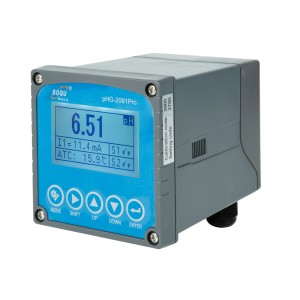
Online pH&ORP Meter
-
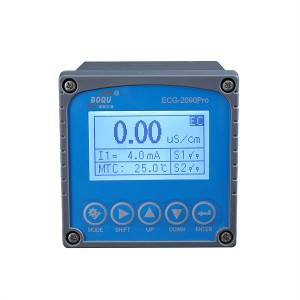
Online conductivity Meter
-

Online Dissolved Oxygen Meter
-

Online Turbidity Meter Used Sewage


