



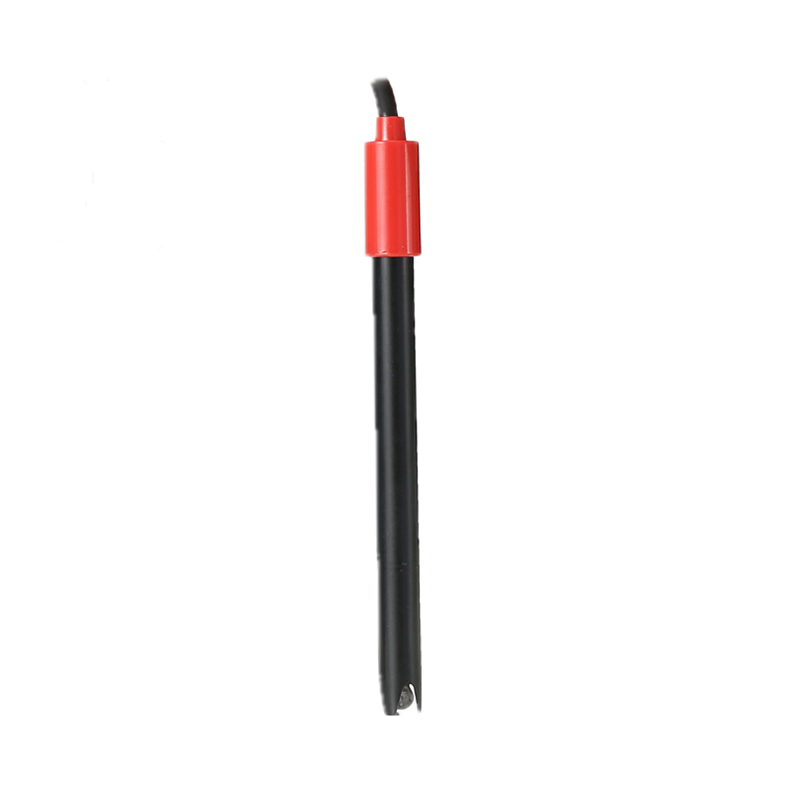
Laboratory pH Sensor
Introduction
E-301T pH sensor In PH measurement, the used electrode is also known as the primary battery. The primary battery is a system, whose role is to transfer chemical energy into electrical energy. The voltage of the battery is called the electromotive force (EMF). This electromotive force (EMF) is composed of two half-batteries. One half-battery is called the measuring electrode, and its potential is related to the specific ion activity; the other half-battery is the reference battery, often called the reference electrode, which is generally interlinked with the measurement solution, and connected to the measuring instrument.
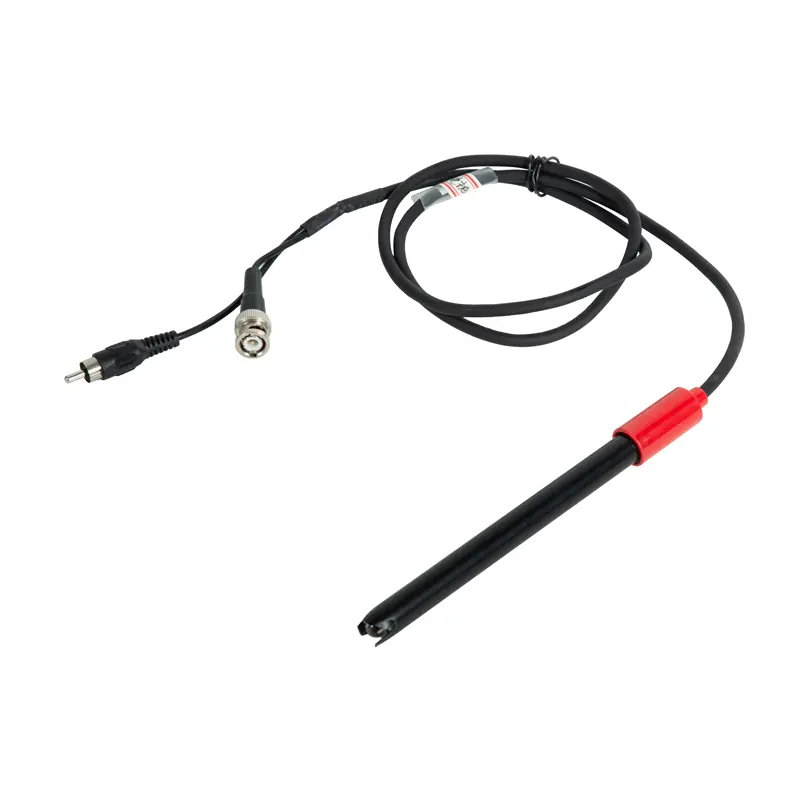
Technical parameters
| Model number | E-301T |
| PC housing, dismountable protective hat convenient for clean, no need to add KCL solution | |
| General information: | |
| Measuring range | 0-14 .0 PH |
| Resolution | 0.1PH |
| Accuracy | ± 0.1PH |
| working temperature | 0 - 45°C |
| weight | 110g |
| Dimensions | 12x120 mm |
| Payment Information: | |
| Payment method | T/T, Western Union, MoneyGram |
| MOQ: | 10 |
| Dropship | Available |
| Warranty | 1 Year |
| Lead time | Sample available any time, bulk orders T.B.C |
| Shipping Method | TNT/FedEx/DHL/UPS or Shipping company |
Why monitor the pH of water?
pH measurement is a key step in many water testing and purification processes:
● A change in the pH level of water can alter the behavior of chemicals in the water.
● pH affects product quality and consumer safety. Changes in pH can alter flavor, color, shelf-life, product stability and acidity.
● Inadequate pH of tap water can cause corrosion in the distribution system and can allow harmful heavy metals to leach out.
● Managing industrial water pH environments helps prevent corrosion and damage to equipment.
● In natural environments, pH can affect plants and animals.
How to calibration the pH sensor?
The majority of meters, controllers, and other types of instrumentation will make this process easy. The typical calibration procedure consists of the following steps:
1. Vigorously stir the electrode in a rinse solution.
2. Shake the electrode with a snap action to remove residual drops of solution.
3. Vigorously stir the electrode in the buffer or sample and allow the reading to stabilize.
4. Take the reading and record known pH value of the solution standard.
5. Repeat for as many points as desired.
Send Inquiry
We are committed to providing you with the best quality service and look forward to communicating with you to solve problems together and bring you a better experience.