



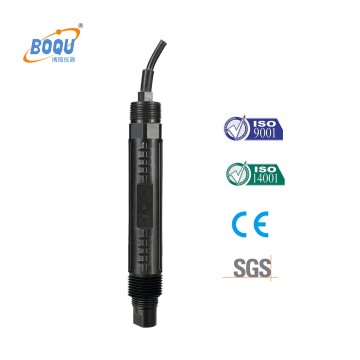
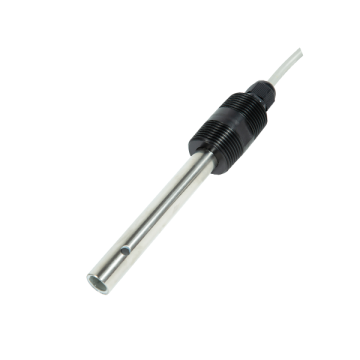
turbididity sensor
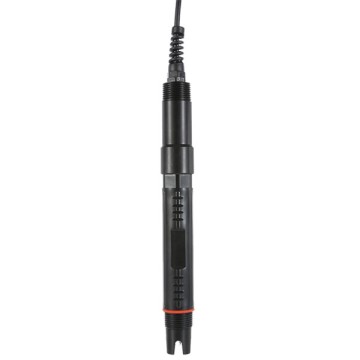
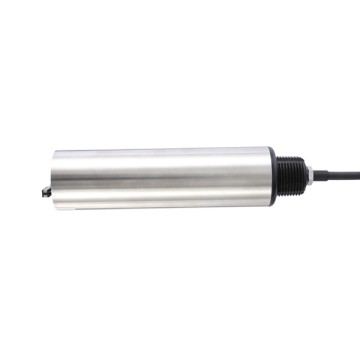
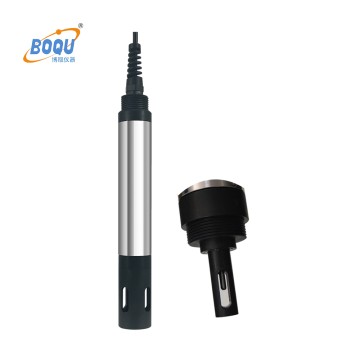
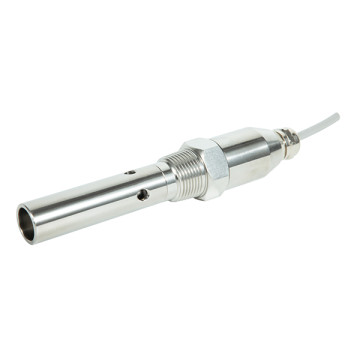
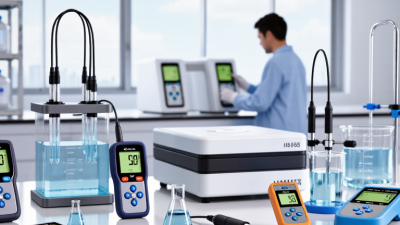
At Shanghai Boqu Instrument Co., Ltd., we are committed to delivering top-notch solutions for water quality monitoring, with a special emphasis on our cutting-edge digital turbidity sensor. Our innovative sensor technology is designed to provide accurate, real-time measurements of water clarity, enabling industries such as environmental monitoring, wastewater treatment, and aquaculture to ensure compliance with regulatory standards and improve operational efficiency. With robust features and reliable performance, our online turbidity sensor is ideal for demanding applications where precise data is crucial, In addition to our digital turbidity sensor, we offer a range of complementary products including the Ammonia Sensor Water that helps in detecting ammonia levels alongside turbidity measurements. This combination is essential for industries aiming to maintain water quality and sustainability. Our dedicated team at Shanghai Boqu Instrument Co., Ltd. is passionate about supporting global buyers by providing high-quality products backed by exceptional service. Partner with us to enhance your water quality monitoring capabilities and make informed decisions based on reliable data

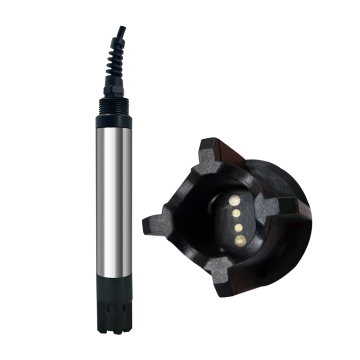
Step-by-Step Guide turbididity sensor Application Factory-Direct Excellence
In the evolving landscape of water quality monitoring, the use of turbidity sensors plays a critical role across various industries. For factories producing beverages, pharmaceuticals, or wastewater treatment, maintaining optimal water quality is crucial for compliance and efficiency. A comprehensive step-by-step guide to turbidity sensor applications can enhance productivity and ensure high standards. Integrating advanced tools like the Blue-Green Algae probe allows businesses to detect harmful algal blooms effectively, ensuring the safety of potable water. Additionally, sensors like the China High Temperature pH Probe and Ammonia Nitrogen Sensor are invaluable for high-temperature processes and monitoring ammonia levels in wastewater, respectively.
When deploying these sensors, it's essential to consider the operational environments they will encounter. For instance, the characteristics of high temp conductivity electrodes must be matched with high-temperature tasks to maintain accuracy. Furthermore, reliable tools like the TDS Meter and Conductivity Meter should be deployed in tandem with conductivity electrode sensors to obtain comprehensive water quality data. Incorporating innovative IoT ammonia nitrogen sensors allows for real-time monitoring, providing insights into water quality fluctuations and enabling rapid responses to contamination risks.
Proper calibration and maintenance of these sensors are vital. Ensuring regular checks and adopting suitable calibration solutions can extend the lifespan of devices and enhance measurement accuracy. The integration of technology such as ARduino Sensor pH and online monitoring systems complements traditional methods by offering digital readouts of various parameters, including turbidity. In conclusion, by following a structured approach to turbidity sensor applications and harnessing various high-precision tools, industries can achieve factory-direct excellence in water quality management.
Step-by-Step Guide Turbidity Sensor Application Factory-Direct Excellence
| Industry | Trend Data (2023) | Market Forecast (2024-2028) | Growth Rate |
|---|---|---|---|
| Water Quality Monitoring | 45% of municipalities actively implementing | 10% CAGR | 8% |
| Aquaculture | Increasing focus on sustainability | 12% CAGR | 10% |
| Industrial Wastewater Treatment | Regulatory pressures increasing | 9% CAGR | 7% |
| Food & Beverage | Quality assurance standards tightening | 11% CAGR | 9% |
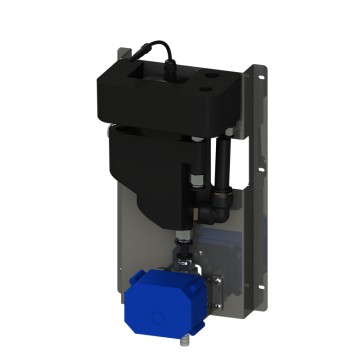
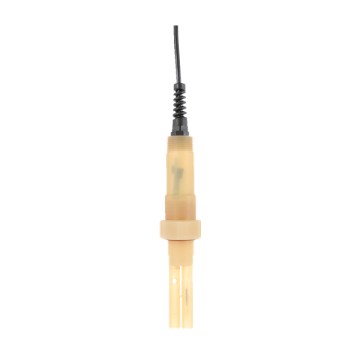
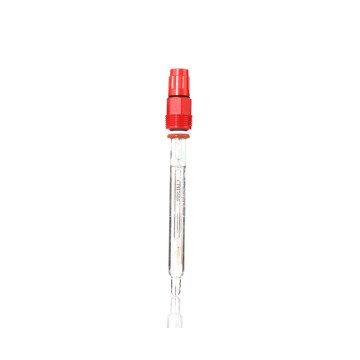
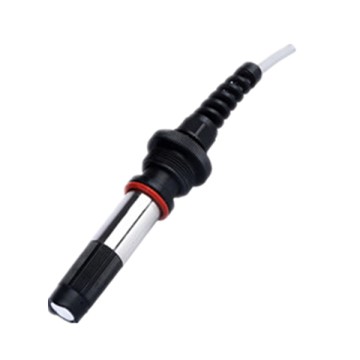
How To Source turbididity sensor Ahead of the Curve Your Trusted OEM Partner
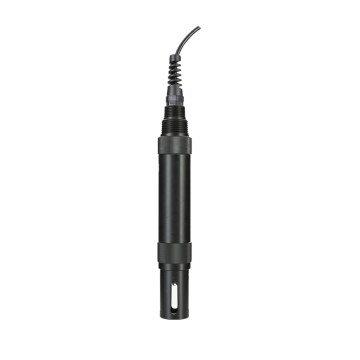
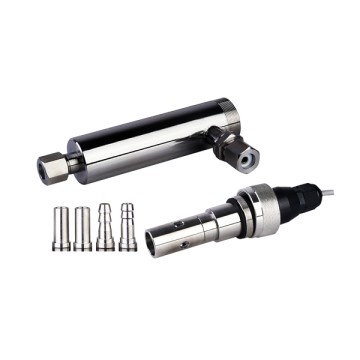
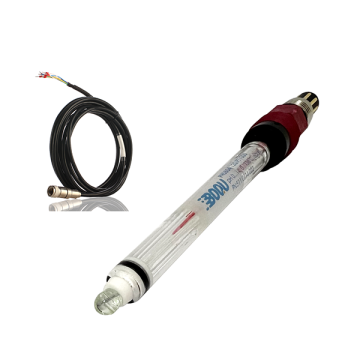

O
Olivia Brown
Great product with excellent craftsmanship! The after-sales support I received was equally impressive; they truly care about their customers.
07
October
2026
C
Charlotte White
I am very impressed with the durability and quality of this item. The after-sales support was friendly, informative, and quick to respond!
28
September
2026
G
Grace Hernandez
Amazing quality product! The after-sales team was incredibly knowledgeable and provided great support throughout my experience.
07
September
2026
A
Ava Stewart
Absolutely love this product! The quality is top-tier, and the after-sales support team was quick to answer my questions.
31
August
2026
C
Charles Wright
This product functions beautifully. I couldn’t have asked for a better shopping experience!
28
August
2026
S
Samantha Perez
Their commitment to customer care is impressive. They actually listen and provide useful support.
01
October
2026