

Domestic wastewater refers to used water generated from residential and public activities, including discharges from households, apartments, schools, hospitals, and commercial facilities. It typically comprises greywater (e.g., from bathing, laundry, and kitchen sinks) and blackwater (e.g., toilet effluent), and contains a complex mixture of organic matter, nutrients, pathogenic microorganisms, suspended solids, and anthropogenic chemical contaminants. The high organic load supports rapid proliferation of bacteria and pathogens; if discharged untreated, it poses significant risks—including the transmission of waterborne diseases—thereby threatening public health and ecological integrity. This challenge is especially acute in low- and middle-income countries, where inadequate infrastructure often results in direct discharge of untreated wastewater, exacerbating environmental degradation and public health burdens. Consequently, rigorous treatment prior to discharge is essential to safeguard water quality. However, treatment efficacy varies considerably across regions: high-income countries generally deploy advanced, multi-stage treatment systems with stringent regulatory oversight, whereas many developing nations contend with concurrent constraints in technical capacity, financial resources, and institutional frameworks. Prior to treatment, comprehensive characterization of wastewater—through standardized analytical parameters—is critical for designing appropriate treatment strategies, evaluating process performance, and informing evidence-based water resource management policies globally.

Among the key parameters, ammonia nitrogen (NH₃–N) warrants highest priority. It represents the sum concentration of dissolved free ammonia (NH₃) and ammonium ions (NH₄⁺), primarily originating from human excreta and nitrogen-containing cleaning agents. Elevated NH₃–N levels contribute to eutrophication, stimulating algal blooms that deplete dissolved oxygen and impair aquatic biodiversity. Moreover, un-ionized ammonia is acutely toxic to fish and sensitive aquatic organisms, potentially disrupting ecosystem structure and function. In high-income countries, NH₃–N is routinely monitored under national water quality standards using validated analytical methods (e.g., colorimetry or ion-selective electrodes), enabling effective pollution control. In contrast, monitoring gaps persist in many developing regions due to limited access to calibrated instrumentation, trained personnel, and sustainable maintenance protocols—particularly in rapidly urbanizing areas where wastewater generation outpaces infrastructure development. Thus, NH₃–N serves as both a critical indicator of pollution severity and an essential metric for assessing ecological risk and treatment efficiency.
pH is another fundamental parameter requiring systematic assessment. Defined as the negative logarithm of hydrogen ion activity, pH reflects the acid–base balance of wastewater and typically ranges between 6.5 and 8.5 in domestic sources, influenced by detergents, food waste, and industrial co-discharges. Deviations outside this range can inhibit biological treatment processes (e.g., nitrification), corrode conveyance infrastructure, and adversely affect aquatic biota. Real-time pH monitoring enables dynamic optimization of treatment operations—such as chemical dosing and aeration control—in high-income settings. Conversely, intermittent or absent pH measurement remains common in resource-constrained contexts, contributing to inconsistent effluent quality. As such, reliable pH data not only support local compliance but also underpin broader objectives of transboundary water security and climate-resilient sanitation systems.

Dissolved oxygen (DO) concentration is equally vital, particularly in receiving waters and aerobic treatment units. DO reflects the capacity of water bodies to sustain aerobic microbial activity and self-purify organic pollutants. Low DO levels signal oxygen depletion—often linked to excessive organic loading—and may precipitate hypoxic or anoxic conditions detrimental to aquatic life. While DO is less frequently measured *in raw* domestic wastewater (which is typically anaerobic), its monitoring in treated effluents and downstream surface waters is indispensable for ecological risk assessment and regulatory reporting.
The escalating volume of domestic wastewater discharge worldwide has intensified associated environmental and health impacts. Uncontrolled release into rivers, lakes, and aquifers compromises drinking water safety, diminishes ecosystem services, and undermines progress toward Sustainable Development Goal 6 (Clean Water and Sanitation). Disparities in regulatory enforcement, technological adoption, and monitoring capacity further compound these challenges. Hence, regular, standardized, and representative wastewater characterization constitutes a foundational practice for pollution prevention, adaptive management, and equitable water governance.

Accurate and timely parameter quantification relies on robust, fit-for-purpose analytical instrumentation. Modern water quality analyzers deliver precise, reproducible, and traceable measurements—facilitating data-driven decision-making for utilities, regulators, and research institutions. Global deployment patterns reflect regional capacities: high-income countries increasingly adopt automated, online sensors integrated with digital platforms, while cost-effective, portable, and low-maintenance solutions are prioritized in emerging economies. Shanghai Boqiao Instrument Co., Ltd. offers a comprehensive portfolio of certified water quality analyzers designed specifically for domestic wastewater monitoring. Their devices feature high measurement accuracy, simplified installation and operation, long-term stability, and competitive lifecycle cost—validated through deployments across more than 100 countries. By advancing accessible, interoperable, and scientifically sound monitoring technologies—and fostering international collaboration on methodology harmonization and capacity building—the global community can strengthen wastewater governance, conserve freshwater ecosystems, and advance inclusive sustainable development.
Post time: Feb-02-2026
Products categories
-
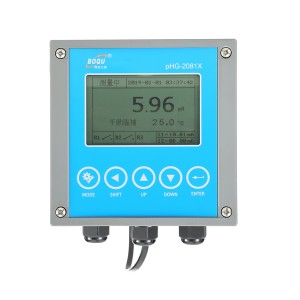
Wholesale China Ph Meter And Electrode Supplier...
-

Wholesale China COD&Ammonia&TN&TP e...
-
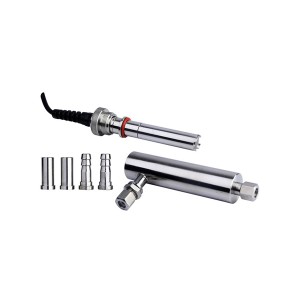
China Wholesale Digital Dissolved Oxygen Meter ...
-
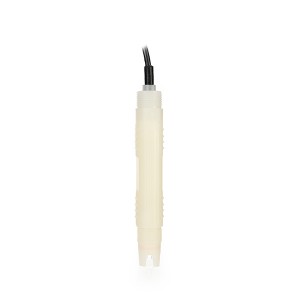
China Wholesale Ph Conductivity Analyzer Suppli...
-
Wholesale China Ph Monitor Controller Quotes Ma...
-
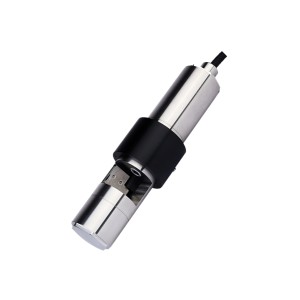
China Wholesale Water Salinity Sensor Manufactu...
-
Wholesale China Cod Bod Analyzer Suppliers Fact...
-

China Wholesale Salinity Conductivity Meter Fac...
-
China Wholesale Inductive Conductivity Quotes M...
-
Wholesale China Digital Conductivity Meter Fact...
-
China Wholesale Silicate Meter Quotes Manufactu...
-
China Wholesale Ph Meter And Controller Quotes ...


