
In the freshwater shrimp farming industry, water quality is the core factor determining the success or failure of cultivation. A stable and suitable aquatic environment not only ensures the normal growth and reproduction of freshwater shrimp but also effectively reduces the incidence of diseases, thereby enhancing the economic efficiency of aquaculture. Therefore, precise measurement and scientific monitoring of water quality parameters are indispensable critical steps in the process of freshwater shrimp farming.
I. Core Water Quality Parameters and Requirements for Freshwater Shrimp Farming
(1) Dissolved Oxygen (DO)
Dissolved oxygen is a fundamental condition for the survival of freshwater shrimp. It should generally be maintained above 5 mg/L, with a minimum threshold of no less than 3 mg/L. When dissolved oxygen is insufficient, shrimp may exhibit surface gasping (floating at the water surface), reduced feeding, and in severe cases, suffocation and death due to hypoxia. The nighttime and early morning hours represent the daily low point for dissolved oxygen levels in water bodies, requiring focused monitoring.
Explanation of Key Terms:
- Dissolved Oxygen (DO): The amount of oxygen gas (O₂) dissolved in water, essential for respiration in aquatic organisms.
- Example usage: In fish farming, DO levels below 4 mg/L often trigger stress responses in species like tilapia.
- Common scenario: Aeration systems are typically activated during early morning hours when DO reaches its nadir.
(2) Acidity and Alkalinity (pH Value)
The optimal pH range for freshwater shrimp is 7.0–8.5, with daily fluctuations controlled within ±0.5 units. A pH value that is too low can lead to acidosis in shrimp, impairing their growth and development; conversely, an excessively high pH increases the toxicity of ammonia nitrogen, posing a serious threat to shrimp health.
Explanation of Key Terms:
- pH Value: A measure of the acidity or alkalinity of a solution on a scale from 0 to 14, where 7 is neutral.
- Example usage: A sudden drop in pH after heavy rainfall can shock aquatic life in outdoor ponds.
- Common scenario: Buffering agents such as calcium carbonate are added to stabilize pH in recirculating aquaculture systems.
(3) Ammonia Nitrogen and Nitrite
Ammonia nitrogen concentration should be kept below 0.2 mg/L, with un-ionized (molecular) ammonia levels under 0.1 mg/L. Excess ammonia damages the gill tissues of shrimp and inhibits respiratory function. Nitrite concentration must remain below 0.1 mg/L, as it reduces the oxygen-carrying capacity of shrimp blood, leading to "nitrite poisoning," which results in decreased vitality and weakened disease resistance.
Explanation of Key Terms:
- Ammonia Nitrogen (NH₃/NH₄⁺): A toxic metabolic waste product excreted by aquatic animals. Un-ionized ammonia (NH₃) is highly toxic even at low concentrations.
- Nitrite (NO₂⁻): An intermediate compound in the nitrogen cycle; toxic because it binds to hemocyanin (the oxygen carrier in crustaceans), reducing oxygen transport.
- Example usage: In biofilters, beneficial bacteria convert ammonia → nitrite → nitrate (less toxic).
- Common scenario: After stocking new shrimp, ammonia spikes may occur due to overfeeding or inadequate biofiltration.
- Total Alkalinity: Recommended range: 80–150 mg/L as CaCO₃. Helps buffer pH fluctuations and maintain water stability.
- Water Transparency: Ideal range: 30–40 cm, indicating appropriate phytoplankton abundance, which provides natural food for shrimp.
- Hydrogen Sulfide (H₂S): Must be strictly controlled below 0.01 mg/L. This highly toxic gas, produced under anaerobic conditions, can cause severe tissue damage and mass mortality in shrimp.
(4) Other Parameters
Explanation of Key Terms:
- Total Alkalinity: The water’s capacity to neutralize acids, primarily due to bicarbonate, carbonate, and hydroxide ions.
- Example usage: Low alkalinity ponds often require liming (adding limestone) to improve buffering capacity.
- Transparency: Measured using a Secchi disk; reflects plankton density and overall water clarity.
- Hydrogen Sulfide (H₂S): A colorless, flammable gas with a characteristic rotten egg smell; extremely toxic to aquatic life even at trace levels.
- Common scenario: Accumulation of organic sludge at pond bottom leads to anaerobic decomposition and H₂S production.
II. How to Choose Water Quality Monitoring Instruments?
(1) Clarify Monitoring Needs
Farmers should select appropriate monitoring instruments based on their farming scale, water body conditions, and the key parameters of interest. For basic monitoring (e.g., pH and DO), single-function devices may suffice. However, for comprehensive water quality assessment, multi-parameter monitoring systems are recommended.
Explanation of Key Terms:
- Multi-parameter monitor: A device capable of measuring several water quality variables simultaneously (e.g., pH, DO, conductivity, temperature, ammonia).
- Example usage: Large-scale shrimp farms use multi-parameter sondes to continuously track water conditions in real time.
- Common scenario: Small hatcheries may use handheld meters for spot checks, while industrial RAS (Recirculating Aquaculture Systems) rely on integrated online sensors.
(2) Emphasize Instrument Accuracy and Stability
High-precision instruments provide reliable data for informed decision-making. Additionally, the equipment must demonstrate strong stability to operate continuously in complex aquaculture environments, minimizing the risk of failure.
Explanation of Key Terms:
- Accuracy: The closeness of a measured value to the true value. High accuracy ensures trustworthy results.
- Stability: The ability of an instrument to maintain consistent performance over time without drift.
- Example usage: A DO sensor with poor stability may require daily recalibration, increasing labor costs.
- Common scenario: Industrial-grade sensors are designed to resist fouling and maintain calibration for weeks.
(3) Consider Ease of Operation and Maintenance Costs
Instruments that are simple to operate and easy to maintain reduce the technical barrier for farmers and lower long-term operational costs. Devices with automatic calibration and self-cleaning functions minimize manual intervention and improve monitoring efficiency.
Explanation of Key Terms:
- Automatic calibration: The instrument automatically adjusts its readings using reference standards, reducing user error.
- Self-cleaning mechanism: Uses mechanical wipers or ultrasonic vibration to prevent biofouling on sensor surfaces.
- Example usage: Self-cleaning pH probes are ideal for long-term deployment in nutrient-rich shrimp ponds.
- Common scenario: Automated systems reduce labor needs and enable remote monitoring in unmanned facilities.
III. Product Recommendations from BOQU
Shanghai Boqu Instrument Co., Ltd., a professional manufacturer of water analysis instruments, offers a wide range of products widely applied in aquaculture and other fields. Their solutions provide comprehensive water quality monitoring support for freshwater shrimp farming.
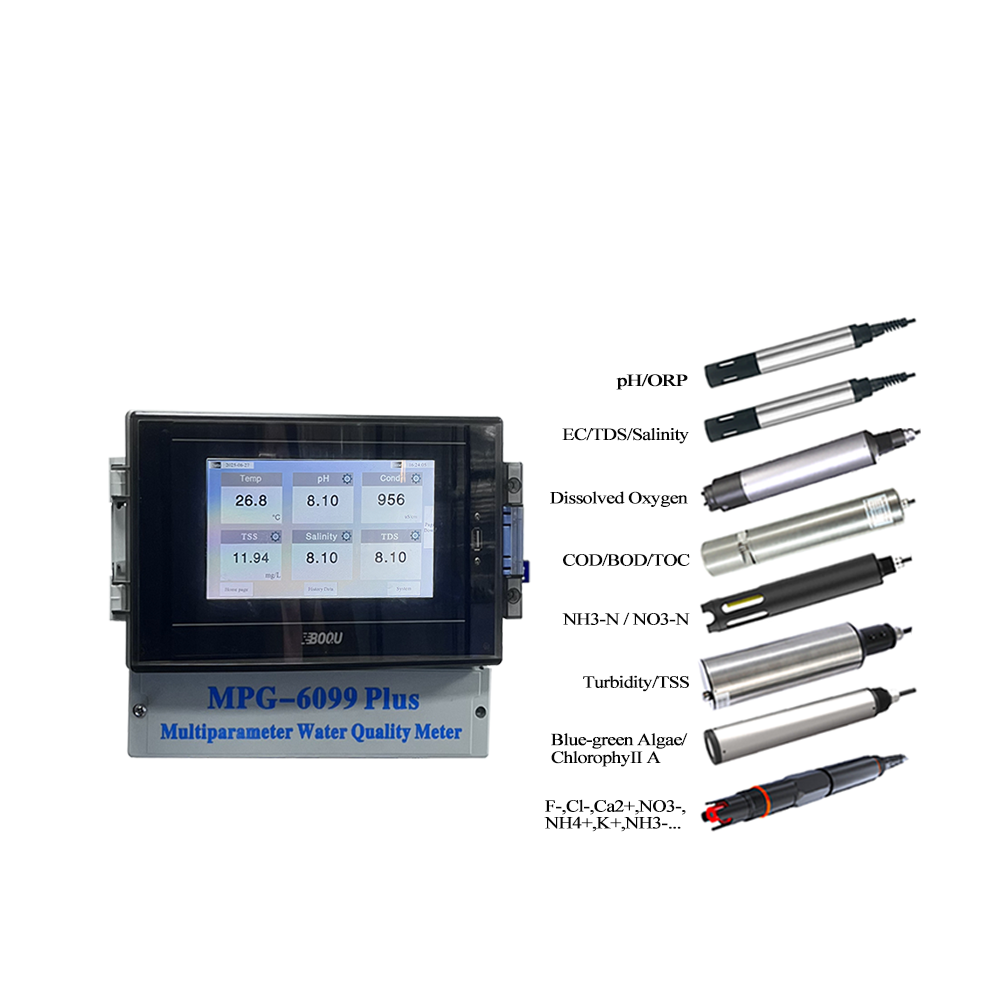
(1) MPG-6099Plus Online Multi-Parameter Water Quality Monitor
This instrument can simultaneously monitor key parameters such as pH, conductivity, dissolved oxygen, and ammonia nitrogen, with flexible configuration options tailored to specific farming needs. Utilizing advanced sensor network technology and internet-based platforms, it enables real-time monitoring and data transmission. Farmers can access water quality dynamics anytime via remote terminals (e.g., smartphones or computers). Equipped with automatic online sensor and pipeline maintenance functions, it requires minimal human intervention, ensuring a stable operating environment for accurate measurements.
Explanation of Key Terms:
- Online monitoring: Continuous, real-time data collection directly from the water body without manual sampling.
- Sensor network: Interconnected sensors that communicate with a central control unit for integrated data processing.
- Example usage: Used in intensive shrimp farms to trigger alarms when DO drops below safe thresholds.
- Common scenario: Integrated into smart farm management systems for predictive analytics and automated responses.
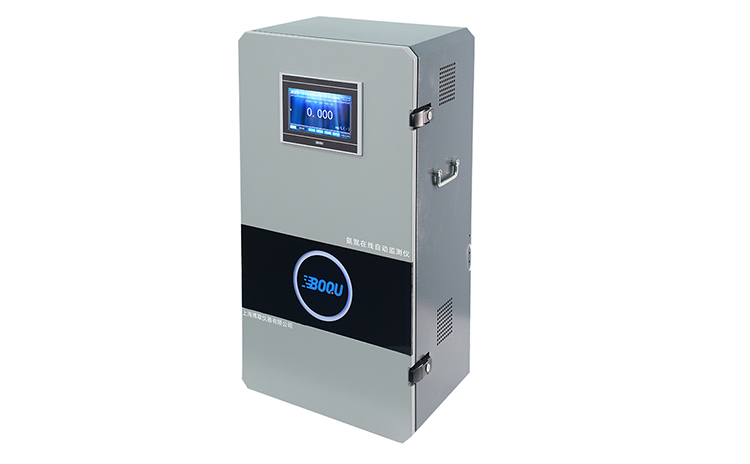
(2) AME-3010 Ammonia Nitrogen Analyzer
Targeting ammonia nitrogen—a critical toxic parameter—this analyzer employs advanced detection methods such as the Nessler’s reagent colorimetric method, offering high precision and sensitivity. It enables rapid and accurate determination of ammonia nitrogen concentration in water. High-end models feature automatic calibration and self-diagnostic functions, reducing routine maintenance workload and ensuring data reliability.
Explanation of Key Terms:
- Nessler’s reagent method: A chemical test that reacts with ammonia to produce a yellow-brown color, measured spectrophotometrically.
- Colorimetric method: A technique that quantifies substances based on the intensity of color developed in a reaction.
- Example usage: Widely used in environmental labs and aquaculture for precise ammonia detection.
- Common scenario: Installed in biofiltration units to monitor ammonia removal efficiency.
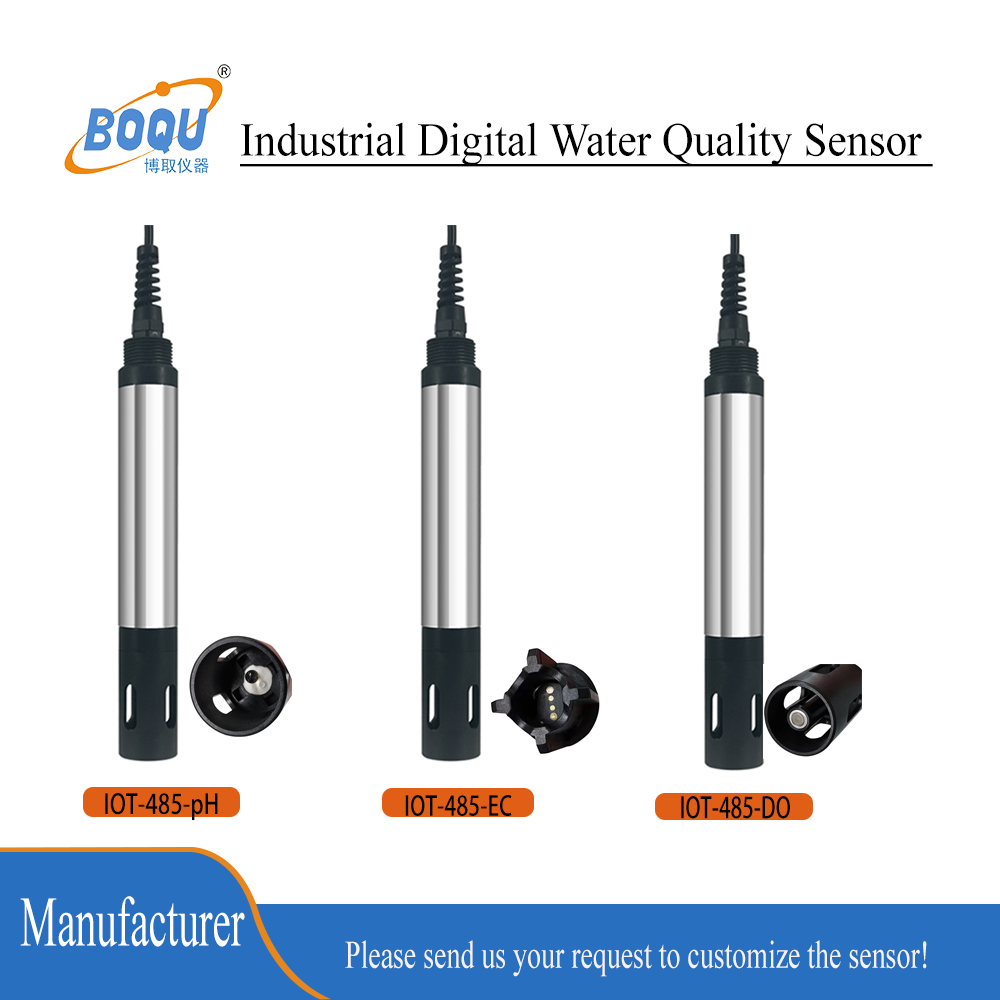
(3) Water Quality Sensors
BOQU produces high-performance sensors such as pH electrodes and dissolved oxygen electrodes, known for their high measurement accuracy and long-term stability. These sensors can be directly immersed in water to collect real-time data, serving as precise data sources for online monitoring systems. With strong compatibility, they can be integrated with various monitoring devices to meet diverse aquaculture needs.
Explanation of Key Terms:
- Electrode: A sensor that detects specific ions or gases in solution (e.g., H⁺ for pH, O₂ for DO).
- Immersion-type sensor: Designed to be submerged directly into the water for continuous measurement.
- Example usage: DO electrodes are mounted in raceways or tanks to monitor oxygen levels 24/7.
- Common scenario: Modular sensors allow farmers to upgrade systems incrementally without replacing entire units.
Conclusion
Understanding the water quality requirements for freshwater shrimp farming and selecting appropriate monitoring instruments are crucial for achieving efficient and healthy production. The water analysis instruments and sensors offered by Shanghai Boqu Instrument Co., Ltd., with their advanced technology and reliable performance, provide strong technical support for shrimp farmers, promoting the high-quality development of the aquaculture industry.
Post time: Apr-17-2026


