
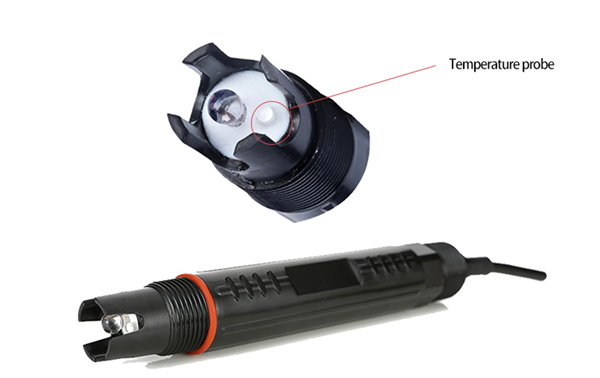
pH meters and conductivity meters are widely used analytical instruments in scientific research, environmental monitoring, and industrial production processes. Their accurate operation and metrological verification rely heavily on the reference solutions employed. The pH value and electrical conductivity of these solutions are significantly influenced by temperature variations. As temperature changes, both parameters exhibit distinct responses, which can affect measurement accuracy. During metrological verification, it has been observed that improper use of temperature compensators in these instruments leads to substantial deviations in measurement results. Furthermore, some users misunderstand the underlying principles of temperature compensation or fail to recognize the differences between pH and conductivity meters, resulting in incorrect application and unreliable data. Therefore, a clear understanding of the principles and distinctions between the temperature compensation mechanisms of these two instruments is essential for ensuring measurement accuracy.
I. Principles and Functions of Temperature Compensators
1. Temperature Compensation in pH Meters
In the calibration and practical application of pH meters, inaccurate measurements often arise from improper use of the temperature compensator. The primary function of the pH meter’s temperature compensator is to adjust the electrode’s response coefficient according to the Nernst equation, enabling accurate determination of the solution’s pH at the current temperature.
The potential difference (in mV) generated by the measuring electrode system remains constant regardless of temperature; however, the sensitivity of the pH response—i.e., the change in voltage per unit pH—varies with temperature. The Nernst equation defines this relationship, indicating that the theoretical slope of the electrode response increases with rising temperature. When the temperature compensator is activated, the instrument adjusts the conversion factor accordingly, ensuring that the displayed pH value corresponds to the actual temperature of the solution. Without proper temperature compensation, the measured pH would reflect the calibrated temperature rather than the sample temperature, leading to errors. Thus, temperature compensation allows for reliable pH measurements across varying thermal conditions.
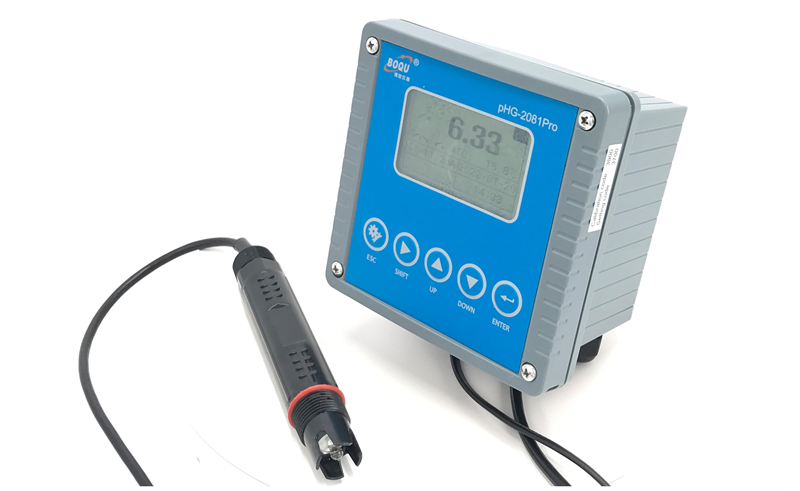
2. Temperature Compensation in Conductivity Meters
Electrical conductivity depends on the degree of ionization of electrolytes and the mobility of ions in solution, both of which are temperature-dependent. As temperature increases, ionic mobility increases, resulting in higher conductivity values; conversely, lower temperatures reduce conductivity. Due to this strong dependence, direct comparison of conductivity measurements taken at different temperatures is not meaningful without standardization.
To ensure comparability, conductivity readings are typically referenced to a standard temperature—commonly 25 °C. If the temperature compensator is disabled, the instrument reports the conductivity at the actual solution temperature. In such cases, manual correction using an appropriate temperature coefficient (β) must be applied to convert the result to the reference temperature. However, when the temperature compensator is enabled, the instrument automatically performs this conversion based on a predefined or user-adjustable temperature coefficient. This enables consistent comparisons across samples and supports compliance with industry-specific control standards. Given its importance, modern conductivity meters almost universally include temperature compensation functionality, and metrological verification procedures should include evaluation of this feature.
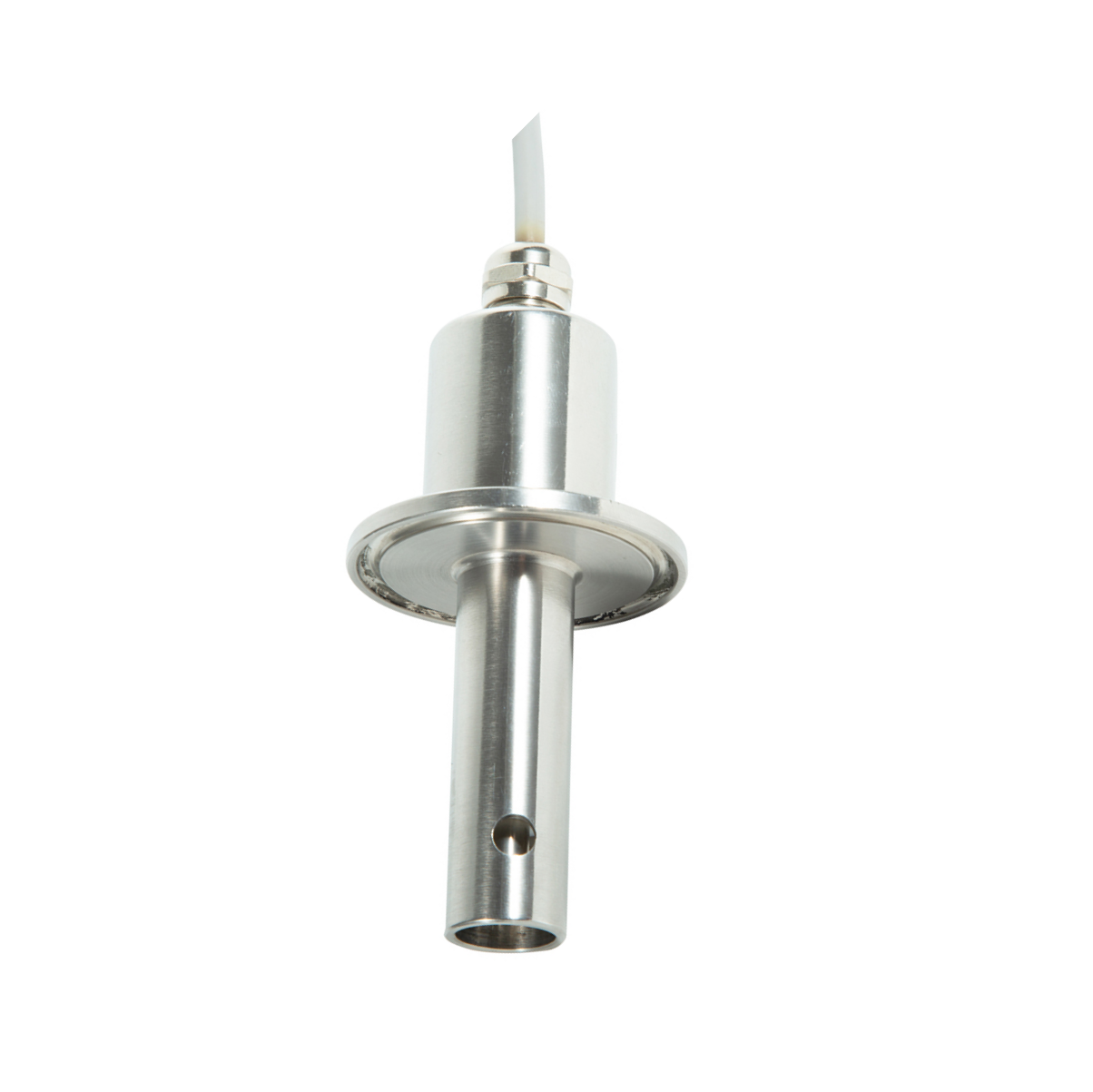
II. Operational Considerations for pH and Conductivity Meters with Temperature Compensation
1. Guidelines for Using pH Meter Temperature Compensators
Since the measured mV signal does not vary with temperature, the role of the temperature compensator is to modify the slope (conversion coefficient K) of the electrode response to match the current temperature. Therefore, it is critical to ensure that the temperature of the buffer solutions used during calibration matches that of the sample being measured, or that accurate temperature compensation is applied. Failure to do so may result in systematic errors, particularly when measuring samples far from the calibration temperature.
2. Guidelines for Using Conductivity Meter Temperature Compensators
The temperature correction coefficient (β) plays a crucial role in converting measured conductivity to the reference temperature. Different solutions exhibit different β values—for example, natural waters typically have a β of approximately 2.0–2.5 %/°C, while strong acids or bases may differ significantly. Instruments with fixed correction coefficients (e.g., 2.0 %/°C) may introduce errors when measuring non-standard solutions. For high-precision applications, if the built-in coefficient cannot be adjusted to match the actual β of the solution, it is recommended to disable the temperature compensation function. Instead, measure the solution temperature precisely and perform the correction manually, or maintain the sample at exactly 25 °C during measurement to eliminate the need for compensation.
III. Rapid Diagnostic Methods for Identifying Malfunctions in Temperature Compensators
1. Quick Check Method for pH Meter Temperature Compensators
First, calibrate the pH meter using two standard buffer solutions to establish the correct slope. Then, measure a third certified standard solution under compensated conditions (with temperature compensation enabled). Compare the obtained reading with the expected pH value at the actual temperature of the solution, as specified in the "Verification Regulation for pH Meters." If the deviation exceeds the maximum permissible error for the instrument's accuracy class, the temperature compensator may be malfunctioning and requires professional inspection.
2. Quick Check Method for Conductivity Meter Temperature Compensators
Measure the conductivity and temperature of a stable solution using the conductivity meter with temperature compensation enabled. Record the displayed compensated conductivity value. Subsequently, disable the temperature compensator and record the raw conductivity at the actual temperature. Using the known temperature coefficient of the solution, calculate the expected conductivity at the reference temperature (25 °C). Compare the calculated value with the instrument’s compensated reading. A significant discrepancy indicates a potential fault in the temperature compensation algorithm or sensor, necessitating further verification by a certified metrology laboratory.
In conclusion, the temperature compensation functions in pH meters and conductivity meters serve fundamentally different purposes. In pH meters, compensation adjusts the electrode’s response sensitivity to reflect real-time temperature effects according to the Nernst equation. In conductivity meters, compensation normalizes readings to a reference temperature to enable cross-sample comparison. Confusing these mechanisms can lead to erroneous interpretations and compromised data quality. A thorough understanding of their respective principles ensures accurate and reliable measurements. Additionally, the diagnostic methods outlined above allow users to perform preliminary assessments of compensator performance. Should any anomalies be detected, prompt submission of the instrument for formal metrological verification is strongly advised.
Post time: Dec-10-2025


