
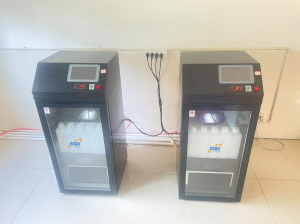
1.Pre-Installation Preparations
The proportional sampler for water quality monitoring instruments should include, at a minimum, the following standard accessories: one peristaltic pump tube, one water sampling hose, one sampling probe, and one power cord for the main unit.
If proportional sampling is required, ensure that a flow signal source is available and capable of providing accurate flow data. For example, confirm the flow range corresponding to the 4–20 mA current signal in advance.
2. Selection of Installation Site
1) Install the sampler on a level, stable, and hardened surface whenever possible, ensuring that ambient temperature and humidity are within the instrument’s specified operating range.
2) Position the sampler as close as feasible to the sampling point to minimize the length of the sampling line. The sampling pipeline should be installed with a continuous downward slope to prevent kinking or twisting and to facilitate complete drainage.
3) Avoid locations subject to mechanical vibration and keep the instrument away from strong electromagnetic interference sources, such as high-power motors or transformers.
4) Ensure that the electrical supply meets the instrument’s technical specifications and is equipped with a reliable grounding system to guarantee operational safety.
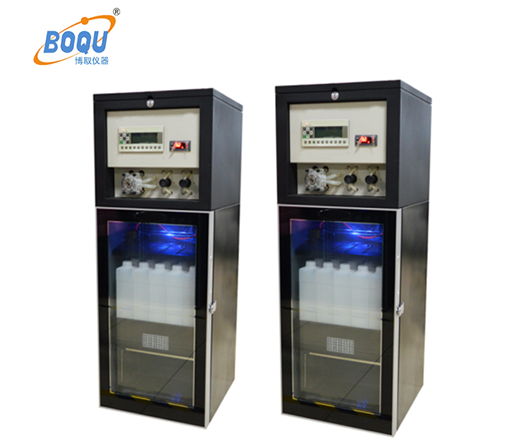
3. Measures to Obtain Representative Samples
1) Keep sample containers free from contamination to ensure the integrity and accuracy of analytical results.
2) Minimize disturbance to the water body at the sampling location during collection.
3) Clean all sampling containers and equipment thoroughly before use.
4) Store sampling containers properly, ensuring that caps and closures remain uncontaminated.
5) After sampling, flush, wipe, and dry the sampling line before storing it.
6) Avoid direct contact between hands or gloves and the sample to prevent cross-contamination.
7) Orient the sampling setup so that airflow moves from the sampling equipment toward the water source, minimizing the risk of equipment-induced contamination.
8) After sample collection, inspect each sample for the presence of large particulate matter (e.g., leaves or gravel). If such debris is present, discard the sample and collect a new one.
Post time: Nov-27-2025
Products categories
-
Wholesale China Residual Chlorine Sensor Manufa...
-
Wholesale China Bnc Ph Probe Quotes Manufacture...
-
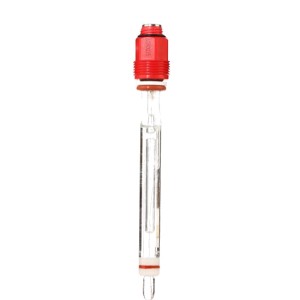
China Wholesale Water Ph Controller Quotes Manu...
-
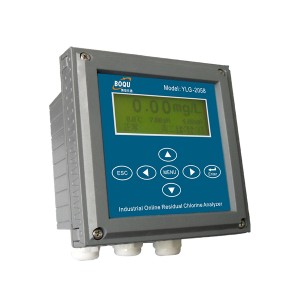
China Wholesale Residual Chlorine Analyzer&...
-
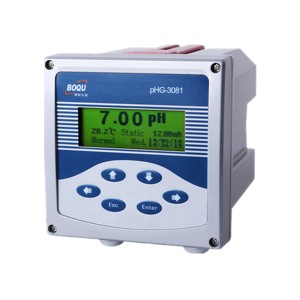
Wholesale China Water Ph Sensors Quotes Manufac...
-
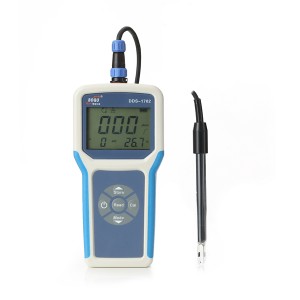
China Wholesale Conductivity Meter Manufacturer...
-
China Wholesale Labratory Ph Meter Quotes Manuf...
-
Wholesale China Dissolved Oxygen Meter Price Fa...
-
China Wholesale Inductive Conductivity Sensor F...
-
Wholesale China Portable Ph Conductivity Tds Me...
-
China Wholesale Ph Temperature Meter Factory Su...
-
Wholesale China Free Chlorine Analyzer Supplier...


