
I. International Standards for Qualified Drinking Water
Drinking water safety is the cornerstone of human health, and the international community has strict and detailed regulations on the standards for qualified drinking water. As a global authority in public health, the World Health Organization (WHO) has developed widely influential drinking water standards. It defines safe drinking water as water that, when consumed at a rate of 2 liters per day for a lifetime based on a 70-year life expectancy, does not cause significant harm to health. This definition also covers water used for daily personal hygiene.
In terms of specific indicators, WHO stipulates that drinking water should not contain pathogenic microorganisms, which is key to preventing the occurrence and spread of waterborne diseases. Meanwhile, the levels of chemical and radioactive substances in water must be controlled within ranges that do not pose risks to human health. Sensory characteristics are also important considerations: the water should have good appearance, color, odor, and taste, as these are the primary direct indicators for people to judge the acceptability of water quality. In addition, drinking water must be disinfected to kill or inactivate pathogenic microorganisms. Common disinfection methods include chlorination, chloramination, ozonation, and ultraviolet disinfection.
Different countries and regions have also formulated their own standards based on WHO guidelines, combined with their actual conditions. China's current Standards for Drinking Water Quality (GB 5749-2022) puts forward five basic health requirements for water quality, which are in line with WHO standards, while refining some indicators according to domestic environmental and health needs. The U.S. Environmental Protection Agency (EPA) also has strict drinking water standards, with clear limits for various pollutants. For example, it has been increasingly strengthening supervision over emerging pollutants such as per- and polyfluoroalkyl substances (PFAS). The EU's standards are even more stringent; for instance, it sets the nitrate limit at 3 mg/L, which is stricter than the 10 mg/L standard set by WHO and China.
II. Challenges in Ensuring Drinking Water Safety
(1) Uneven Global Distribution of Resources
According to UN reports, approximately 2.1 billion people worldwide still lack access to safe drinking water, among whom 106 million directly drink untreated surface water. In the least developed countries, people are more than twice as likely to lack access to basic drinking water and sanitation services compared to those in other countries. The urban-rural gap also persists, with water supply and sanitation conditions in rural areas significantly lagging behind those in cities. Rural areas often face problems such as unstable water sources, insufficient water volume, inadequate source water protection, weak water supply facilities, and severe aging and leakage of water pipelines, all of which make it difficult to ensure drinking water safety.
(2) Growing Pollution Problems
The rapid development of industry and large-scale agricultural production have made water pollution an increasingly prominent issue. The illegal discharge of industrial wastewater introduces large amounts of chemical substances into water bodies. These substances persist in water for long periods, most are non-biodegradable, and can directly poison the human body. High concentrations over a short period can cause acute toxicity, while low concentrations over a long period can lead to chronic poisoning. Chemical fertilizers and pesticides used in agricultural production enter water bodies through rainwater runoff, causing eutrophication and chemical pollution. In addition, some emerging pollutants, such as "forever chemicals" like PFAS, are difficult to degrade in the natural environment, accumulate in the environment and human bodies, and pose new threats to drinking water safety.
(3) New Risks from Climate Change
Global climate change has led to frequent extreme weather events such as droughts, heavy rains, and heatwaves, bringing new challenges to drinking water safety. Droughts reduce water volume and even dry up water sources, increasing water supply pressure. Heavy rains may trigger floods, washing surface pollutants into water sources and deteriorating water quality. Meanwhile, climate change may also disrupt the ecological balance of water bodies, leading to problems such as excessive algal blooms, which further affect drinking water safety.
III. The Role of Water Quality Monitoring in Ensuring Drinking Water Safety
Water quality monitoring is a key link in ensuring drinking water safety, covering the entire process from water sources to taps.
(1) Source Control
Regular water quality monitoring at water sources can timely detect whether the water is polluted, as well as the type and extent of pollution. For example, monitoring the water quality of rivers, lakes, groundwater, and other sources helps track changes in indicators such as pathogenic microorganisms, chemical substances, and radioactive substances. Once abnormal indicators are detected, measures can be taken promptly, such as investigating pollution sources and strengthening source water protection, to ensure drinking water safety from the source.
(2) Process Supervision
During drinking water treatment, water quality monitoring ensures the effectiveness of treatment processes. By comparing water quality before and after treatment, it is possible to determine whether processes such as disinfection and filtration have achieved the expected results, and adjust treatment parameters in a timely manner to ensure that the water leaving the treatment plant meets standards. Meanwhile, monitoring water quality during pipeline transportation can detect problems such as pipeline leakage and secondary pollution in a timely manner. For example, monitoring changes in residual disinfectant in pipelines can help determine whether there is pipeline pollution, so that repairs and treatment can be carried out promptly.
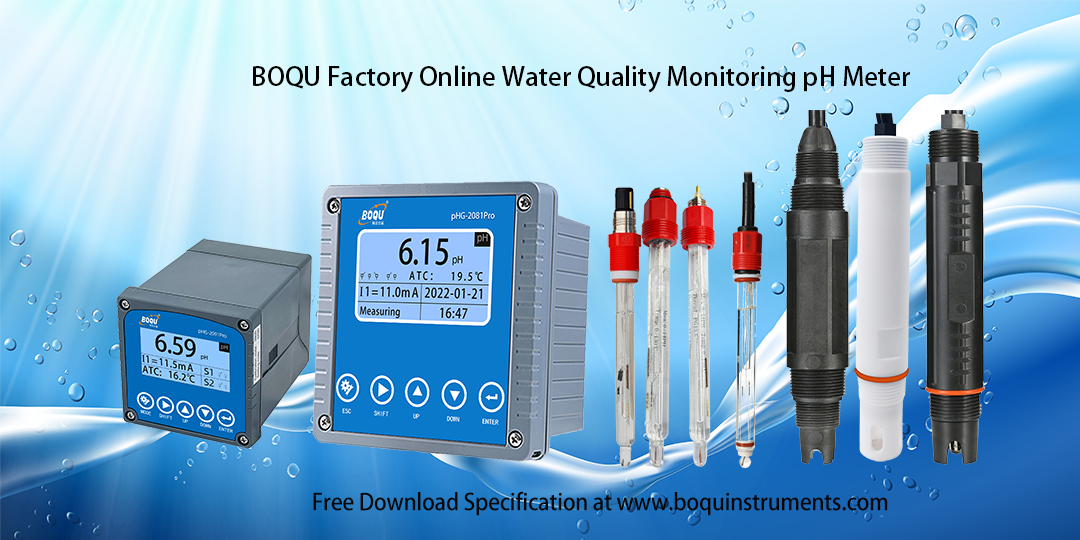
(3) End-of-Pipeline Assurance
At the user end, water quality monitoring allows residents to understand the quality of drinking water in their homes. The emergence of portable water quality testing devices enables residents to test some indicators of drinking water on their own, such as turbidity, pH value, and residual disinfectant. This not only enhances residents' confidence in drinking water safety but also enables them to detect problems and report them to relevant departments in a timely manner, fostering a positive atmosphere of whole-society supervision over drinking water safety.
In addition, water quality monitoring data provides an important basis for policy formulation and scientific research. Analyzing a large amount of monitoring data helps understand the overall status and development trends of drinking water safety, supporting the formulation of more scientific and reasonable drinking water standards and management policies. It also helps researchers conduct in-depth studies on the patterns of water pollution and treatment technologies, continuously improving the level of drinking water safety assurance.
Post time: Apr-17-2026


