
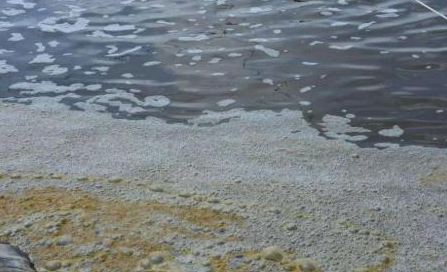
The impact of excessive chemical oxygen demand (COD) in water on human health and the ecological environment is significant. COD serves as a key indicator for measuring the concentration of organic pollutants in aquatic systems. Elevated COD levels indicate severe organic contamination, which poses substantial risks to both ecosystems and public health.
Toxic organic compounds entering water bodies can harm aquatic organisms, including fish, and may accumulate through the food chain, eventually entering the human body and leading to chronic poisoning. For example, prolonged exposure to substances such as DDT has been associated with adverse effects on the nervous system, liver damage, physiological dysfunction, and potential disruptions to reproductive and genetic systems, including increased risks of congenital abnormalities and carcinogenesis.
High COD levels also compromise water quality and disrupt ecological balance. When organic pollutants enter rivers and lakes without timely treatment, many are adsorbed into bottom sediments. Over time, these accumulated substances exert long-term toxic effects on aquatic life. This manifests in two primary ways: first, mass mortality of aquatic species may occur, destabilizing the ecosystem and potentially leading to the collapse of entire aquatic habitats; second, toxins progressively bioaccumulate in organisms such as fish and shellfish. Human consumption of contaminated seafood results in the transfer and accumulation of these harmful substances within the body, posing serious long-term health risks, including cancer, developmental malformations, and genetic mutations.
Moreover, excessively high COD levels impair the natural self-purification capacity of water bodies. The degradation of organic matter consumes dissolved oxygen (DO), and when oxygen consumption exceeds reoxygenation rates, DO levels can fall to zero, resulting in anaerobic conditions. Under such conditions, anaerobic microbial activity persists, producing hydrogen sulfide gas and causing the water to darken and emit foul odors—common indicators of severe pollution.
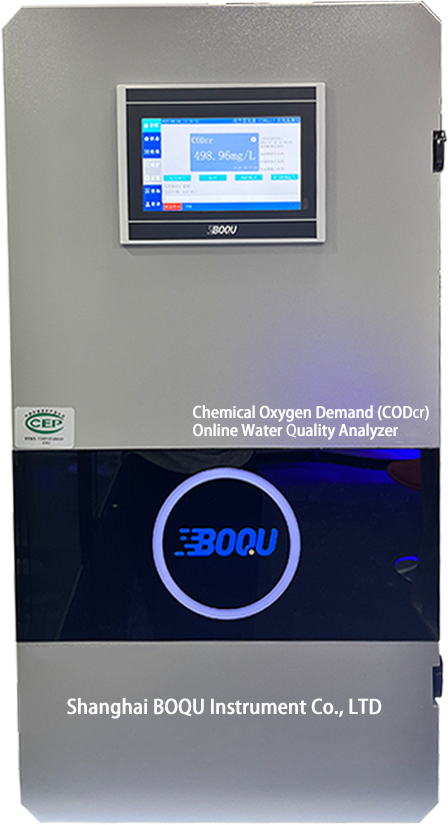
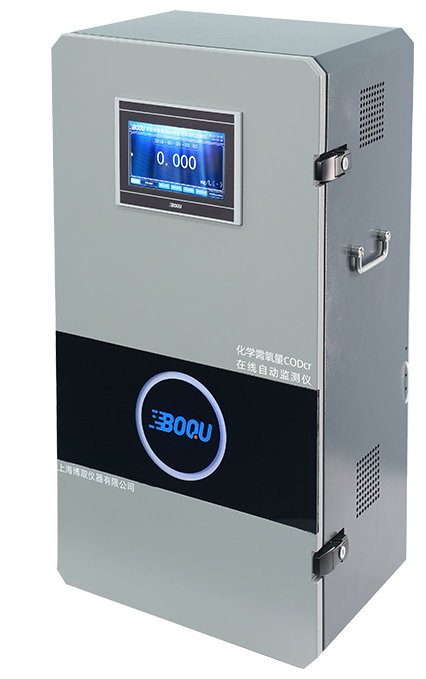
The use of COD analyzers plays a critical role in monitoring and preventing excessive COD levels. The Boqu’COD analyzer is widely applied in the assessment of surface water, groundwater, domestic sewage, and industrial wastewater. It supports both rapid on-site emergency testing and precise laboratory-based water quality analysis, making it a versatile tool for environmental monitoring and pollution control.
|
Model |
AME-3000 |
|
Parameter |
COD (Chemical oxygen demand) |
|
Measuring Range |
0-100mg/L、0-200mg/L and 0-1000mg/L, Three-range automatic switching, expandable |
|
Test Period |
≤45min |
|
Indication Error |
±8% or ±4mg/L(Take the larger one) |
|
Limit of quantitation |
≤15mg/L(Indication error: ±30%) |
|
Repeatability |
≤3% |
|
Low level drift in 24h(30mg/L) |
±4mg/L |
Post time: Nov-27-2025
Products categories
-
Wholesale China Dissolved Oxygen And Ph Meter M...
-

China Wholesale Dissolved Oxygen Temperature Me...
-
Wholesale China Ph Conductivity Salinity Meter ...
-
Wholesale China Thermal Conductivity Sensor Fac...
-
China Wholesale Portable Cod Analyzer Quotes Ma...
-
China Wholesale Portable Ph Ec Meter Manufactur...
-
China Wholesale Benchtop Ph And Conductivity Me...
-
China Wholesale DO Meter Manufacturers Pricelis...
-
Online Inductive Acid Alkaline Concentration Se...
-
China Wholesale Online Conductivity Sensor Supp...
-
China Wholesale Dissolved Oxygen Probe In Biore...
-

Wholesale China Cod Analysis Quotes Manufacture...


