

Inductive conductivity sensors are essential tools for measuring the electrical conductivity of liquids, playing a critical role in ensuring process efficiency, product quality, and environmental compliance across various industries.
Key Industries Utilizing Inductive Conductivity Sensors
1. Water Treatment and Environmental Monitoring
In water treatment plants, inductive conductivity sensors are used to monitor the quality of raw water, treated water, and wastewater. They help in detecting contaminants, measuring salinity, and ensuring that water meets regulatory standards for drinking, industrial use, or safe discharge into the environment. For instance, in desalination plants, these sensors are crucial for monitoring the efficiency of the desalination process, ensuring that the output water has the desired low conductivity levels. Environmental agencies also use them to monitor the health of rivers, lakes, and oceans, tracking changes in conductivity that may indicate pollution or ecological shifts.
2. Chemical and Pharmaceutical Industries
In the chemical industry, conductivity sensors are employed in the production of acids, bases, and other chemical solutions. They help in controlling the concentration of reactants and products, ensuring consistent quality and safety in chemical processes. In pharmaceutical manufacturing, these sensors are used to monitor the conductivity of water used in the production of drugs, as well as the conductivity of various solutions during the synthesis of pharmaceutical compounds. This is vital for maintaining the purity and efficacy of pharmaceutical products, complying with stringent regulatory requirements.
3. Food and Beverage Industry
The food and beverage sector uses inductive conductivity sensors to ensure the quality and safety of products. In breweries, for example, sensors monitor the conductivity of water and wort to control the brewing process and ensure consistent beer quality. In the dairy industry, they are used to measure the conductivity of milk and other dairy products, which can indicate the presence of contaminants or changes in composition. Additionally, in the production of soft drinks and juices, conductivity sensors help in controlling the concentration of sugars and other ingredients, ensuring that the final product meets taste and quality standards.

4. Power Generation and HVAC Systems
In power plants, inductive conductivity sensors are used to monitor the conductivity of cooling water and boiler feedwater. High conductivity levels in cooling water can indicate the presence of dissolved solids, which may lead to scaling and corrosion of equipment, reducing efficiency and increasing maintenance costs. By monitoring conductivity, power plants can take preventive measures to maintain the integrity of their systems. In HVAC (Heating, Ventilation, and Air Conditioning) systems, these sensors are used to monitor the conductivity of water in chillers and boilers, ensuring optimal performance and energy efficiency.
We offer four models to meet your diverse needs: IEC-DNPA, IEC-DNFA, IECS-DNPA, and IECS-DNFA.The IEC-DNPA and IEC-DNFA are integrated-type sensors, ideal for normal temperature water quality applications. The IEC-DNPA features a PEEK material construction, while the IEC-DNFA is made of PFA, both ensuring excellent chemical resistance and durability.For more demanding environments, the IECS-DNPA and IECS-DNFA are split-type sensors with an extended operating temperature range of -30℃ to 150℃. Similar to the integrated models, the IECS-DNPA uses PEEK material, and the IECS-DNFA is crafted from PFA, providing reliable performance even in extreme temperatures.These sensors are designed to deliver accurate and stable conductivity measurements, making them perfect for a wide range of industrial and environmental monitoring applications.

| Model | IEC-DNPA | IEC-DNFA | IECS-DNPA | IECS-DNFA |
| Shell Material | PEEK | PFA | PEEK | PFA |
| Working Temperature | -20℃ ~ 80℃ | -20℃ ~ 80℃ | -30℃ ~ 150℃ | -30℃ ~ 125℃ |
| Working Pressure | Max 21bar (2.1MPa) | Max 16bar (1.6MPa) | Max 21bar (2.1MPa) | Max 16bar (1.6MPa) |
| Waterproof Class | IP65 | IP65 | IP65 | IP65 |
| Measuring Range | 0.5mS/cm -2000mS/cm;The temperature range is the same as the process temperature | |||
| Accuracy | ±2%or±1 mS/cm (Take the larger one);±0.5℃ | |||
| Resolution | 0.01mS/cm;0.01℃ | 0.01mS/cm;0.01℃ | 0.01mS/cm;0.01℃ | 0.01mS/cm;0.01℃ |
| Power Supply | 12 V DC-30V DC; 0.02A; 0.6W | 12 V DC-30V DC; 0.02A; 0.6W | 12 V DC-30V DC; 0.02A; 0.6W | 12 V DC-30V DC; 0.02A; 0.6W |
| Communication | Modbus RTU | Modbus RTU | Modbus RTU | Modbus RTU |
| Dimension | 215*32.5mm | 215*32.5mm | 165*32.5mm | 165*32.5mm |
Post time: Mar-24-2026
Products categories
-
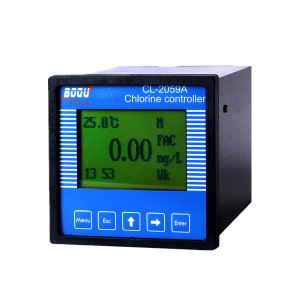
Online Low Cost Free Residual Chlorine Controll...
-
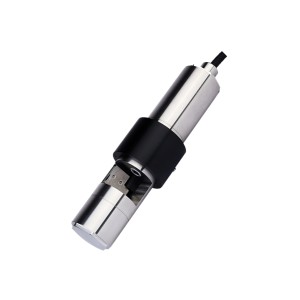
China Wholesale Turbidity Meter Quotes Manufact...
-

China Wholesale Optical Do Probe Manufacturers ...
-
Wholesale China Cleaning Ph Probe Quotes Manufa...
-
China Wholesale Sensore Ph Quotes Manufacturer ...
-
Wholesale China Online Orp Electrode Suppliers ...
-
China Wholesale Ph Glass Electrode Manufacturer...
-
Wholesale China In Line Dissolved Oxygen Meter ...
-
China Wholesale Bench Type Ph Meter Manufacture...
-
Wholesale China Dissolved Oxygen Sensor In Wate...
-
China Wholesale Dissolved Oxygen Meter Manufact...
-
Wholesale China Online Turbidimeter Quotes Manu...


