
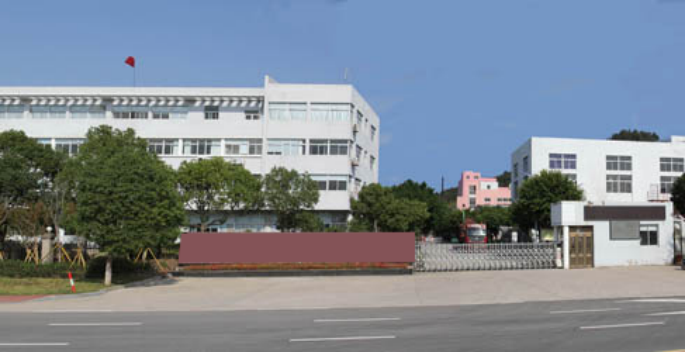
Wenzhou New Materials Technology Co., Ltd. is a national high-tech enterprise that integrates research and development, production, and sales. The company specializes in the production of high-performance organic pigments, with quinacridone-based products as its core offering. It has consistently positioned itself at the forefront of China’s organic pigment manufacturing industry and has been recognized as a "Municipal Enterprise Technology Center." Its environmentally friendly pigment products, including quinacridone, have gained widespread recognition in both domestic and international markets. The company has received numerous honors, including designation as a National High-Tech Enterprise, an Advanced Unit for Building Harmonious Labor Relations in Zhejiang Province, an Outstanding Enterprise for Technological Transformation during the Tenth Five-Year Plan period in Zhejiang Province, an AAA-rated Contract-Compliant and Creditworthy Enterprise in Zhejiang Province, an AAA-rated Tax Compliance Enterprise in Zhejiang Province, and a Dynamic and Harmonious Enterprise in Wenzhou City.
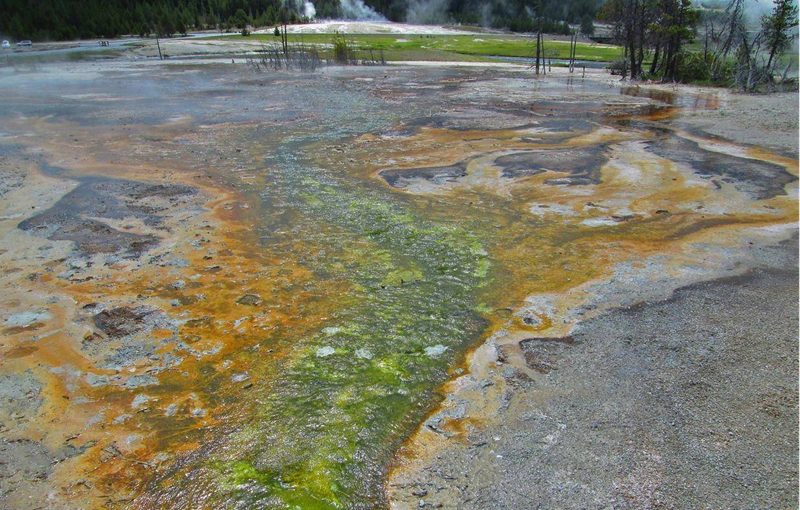
The treatment of pigment wastewater remains one of the key challenges constraining the sustainable development of both individual enterprises and the broader industry. Organic pigment wastewater is characterized by a wide variety of complex pollutant structures, significant fluctuations in flow volume and water quality, and high concentrations of chemical oxygen demand (COD), organic nitrogen, and salts. Additionally, the wastewater contains diverse intermediate compounds and large emissions of recalcitrant substances that are difficult to biodegrade, along with intense coloration. The specific environmental and health impacts are outlined below:
1. Adverse Effects on Aquatic Ecosystems
- Dissolved Oxygen Depletion: High concentrations of organic matter (e.g., COD) in wastewater consume dissolved oxygen in aquatic environments, leading to hypoxic conditions that can result in the death of aquatic organisms and disruption of ecological balance.
- Reduced Light Penetration: Highly colored effluent impedes sunlight transmission, thereby inhibiting photosynthesis in aquatic plants and negatively affecting the entire aquatic food chain.
- Accumulation of Toxic Substances: Certain pigments may contain heavy metals or aromatic compounds that bioaccumulate in organisms and can be transferred to humans through the food chain, posing risks of chronic toxicity or carcinogenic effects.
2. Soil and Crop Contamination
- Soil Salinization and Alkalinization: Infiltration of high-salt wastewater into soil can lead to salinization, which degrades soil quality and reduces agricultural productivity.
- Infiltration of Persistent Organic Pollutants: Non-biodegradable substances such as azo dyes can persist in soil, contaminating groundwater and suppressing microbial activity essential for soil health.
3. Direct Threats to Human Health
- Respiratory System Impairment: Volatile hazardous compounds (e.g., anilines) present in wastewater vapors may induce respiratory symptoms such as coughing and chest tightness; prolonged exposure increases the risk of chronic respiratory diseases.
- Dermatological and Neurological Hazards: Direct contact with contaminated water may cause skin irritation or dermatitis, while absorption into the bloodstream can affect the nervous system, potentially leading to headaches and cognitive impairments such as memory loss.
- Carcinogenic Risks: Some pigments contain aromatic amine derivatives known to be carcinogenic; long-term exposure may increase the likelihood of developing aplastic anemia or various forms of cancer.
4. Long-Term Environmental Consequences
- Color and Suspended Solids Pollution: Darkly colored wastewater contributes to turbidity in surface waters, impairing aesthetic and ecological values; suspended solids, upon settling, can obstruct river channels and exacerbate flood risks.
- Increased Treatment Complexity: The accumulation of persistent, low-biodegradability substances (e.g., acrylic resins) in the environment raises the technical difficulty and cost of subsequent wastewater treatment processes.
In summary, effective management of pigment wastewater requires strict control through multi-stage treatment technologies—such as integrated oxidation-biological processes—to mitigate its multifaceted environmental and health risks.
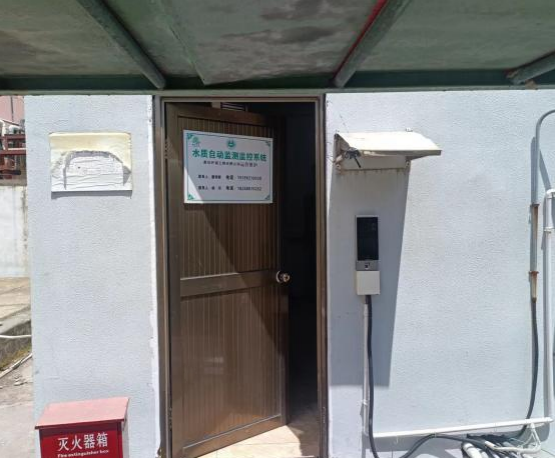
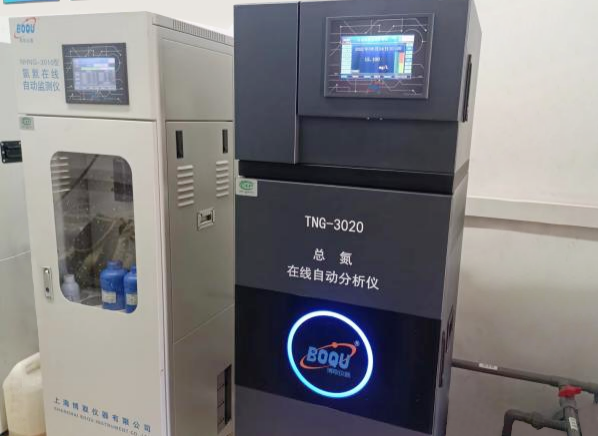
To ensure compliance with discharge regulations, Wenzhou New Materials Technology Co., Ltd. has installed online monitoring systems for ammonia nitrogen, total phosphorus, and total nitrogen at its discharge outlet. These systems, supplied by Shanghai Boqu Instrument Co., Ltd., enable continuous real-time data collection. Monitoring results indicate that the treated effluent consistently meets the Grade A criteria specified in the "Discharge Standard of Pollutants for Municipal Wastewater Treatment Plants" (GB 18918-2002), ensuring minimal impact on receiving water bodies. Real-time monitoring allows the enterprise to dynamically track effluent quality and promptly respond to potential non-compliance events. Furthermore, the company continues to enhance operational management of its wastewater treatment facilities in accordance with local environmental regulations to ensure long-term stability and reliability of the treatment process.
Equipment Deployed:
- NHNG-3010 Ammonia Nitrogen Online Automatic Monitor
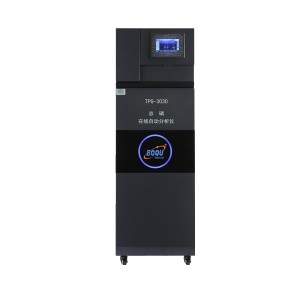
- TPG-3030 Total Phosphorus Online Automatic Analyzer
- TNG-3020 Total Nitrogen Online Automatic Analyzer
Post time: Dec-15-2025
Products categories
-

Wholesale China Ph Meter Cost Quotes Manufactur...
-
China Wholesale Ph Conductivity Orp Meter Quote...
-
Wholesale China Cod Sensor Manufacturers Price...
-
Wholesale China Dissolved Oxygen Portable Meter...
-
Wholesale China Ph Meter Cost Factory Suppliers...
-
China Wholesale Online Conductivity Meter Suppl...
-
China Wholesale Salt Conductivity Meter Quotes ...
-

China Wholesale Online Dissolved Oxygen Analyze...
-
Wholesale China Conductivity Meter For Tap Wate...
-
Wholesale China Ec & Ph Meter Factory Suppl...
-
Wholesale China Polarographic Dissolved Oxygen ...
-

Wholesale China Benchtop Conductivity Meter Sup...


