Leave Your Message
Next-Gen Municipal & Industrial Sensing

Water Level Gauge For Drinking Water Safety

Precision Hydrostatic, Ultrasonic & Radar Level Telemetry Integrated with Multi-Parameter Water Quality Analytics for Potable Water Infrastructure

Drinking Water Quality & Level Infrastructure

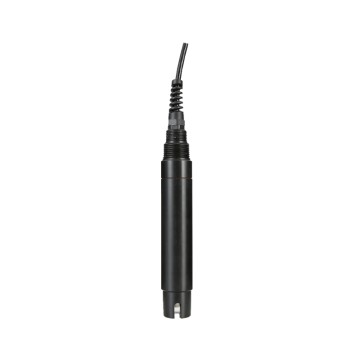
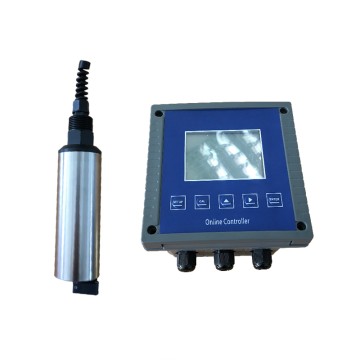
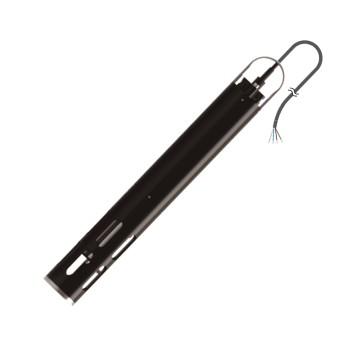
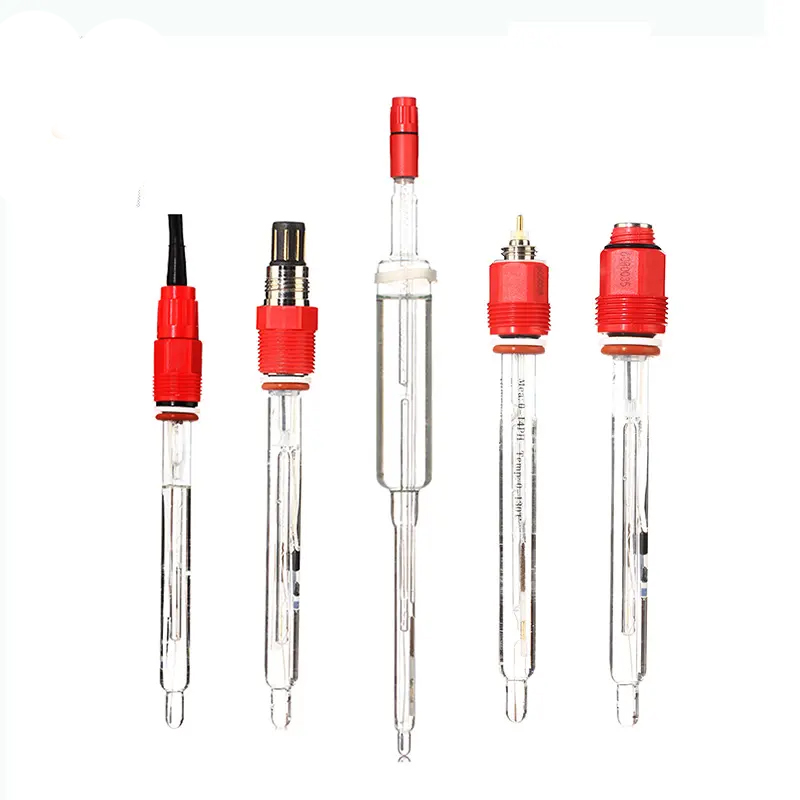
Key Integrated Monitoring Instruments

Real-time continuous measurement instruments engineered specifically to guarantee drinking water safety, reservoir storage integrity, and municipal compliance.

Comprehensive Industry Analysis

The Crucial Role of Water Level Gauges in Drinking Water Safety

Analyzing modern telemetry, contamination risk mitigation, reservoir dynamics, and hydraulic integrity across urban potable water distribution networks.

Hydraulic Pressure & Backflow Guard

Accurate tank level gauging prevents positive pressure drop in distribution mains, blocking toxic pathogen ingress and back-siphonage contamination.

Disinfection Contact Time (CT) Optimization

Continuous volume calculations synchronize level data with disinfectant dosing rates, preventing harmful disinfection byproducts (DBPs) and pathogen survival.

Sanitary Reservoir Stagnation Avoidance

Smart level tracking detects thermal stratification, aging dead zones, and water turnover stalls, preserving biological purity in finished water reservoirs.

1. Commercial and Industrial Landscape of Potable Water Level Gauging

The global potable water management industry is undergoing a structural paradigm shift driven by stringent regulatory frameworks, demographic urbanization, and climatic volatility. Traditionally, water level gauges were regarded merely as mechanical or simple analog assets dedicated to preventing reservoir overflow or pump dry-run damage. In today's drinking water safety ecosystem, however, high-precision water level gauges serve as the frontline sensory node safeguarding water hygiene, hydraulic equilibrium, and chemical stability.

According to municipal standards established by the United States Environmental Protection Agency (US EPA), the European Drinking Water Directive (EU 2020/2184), and the World Health Organization (WHO), maintaining continuous positive hydraulic pressure across municipal piping networks is essential. When finished drinking water storage tanks or high-altitude balancing reservoirs suffer unchecked level drops, distribution line pressure plunges below critical thresholds (typically 20 psi or 140 kPa). This catastrophic drop induces negative pressure transients, drawing contaminated groundwater, agricultural runoff, heavy metals, and sewer infiltration directly into the municipal supply lines through micropores, aging gaskets, and pipe microfractures. Consequently, industrial water level gauges have evolved from crude volumetric indicators into critical hygienic safety valves for metropolitan drinking networks.

2. Technological Methodologies: Hydrostatic, Radar, and Non-Contact Telemetry

Selecting the optimal water level gauge technology directly governs measuring fidelity, sanitary compliance, and maintenance overheads in potable water assets:

Submersible Hydrostatic Pressure Transmitters: Widely deployed in deep extraction wells, raw water intake reservoirs, and underground clearwells. Utilizing piezo-resistive ceramic or diffused silicon diaphragms, these gauges measure hydrostatic pressure proportional to the liquid column height. For drinking water applications, sensor bodies are constructed from electropolished 316L stainless steel or titanium, paired with vented fluoropolymer cables that resist biofouling and leaching. The internal reference capillary equalizes atmospheric barometric fluctuations, delivering dynamic accuracy up to 0.1% of span.

80 GHz Non-Contact Pulse Radar Gauges: The preferred choice for secondary water supply roof tanks, clearwells, and enclosed chemical contact chambers. Operating at narrow beam angles (as low as 3 degrees), high-frequency 80 GHz radar penetrates condensation, water vapor, and acoustic noise without contacting the potable medium. This absolute physical isolation completely eliminates cross-contamination risks and sensor biofilm deposition, complying seamlessly with strict NSF/ANSI/CAN 61 and FDA sanitary material regulations.

Ultrasonic Level Transmitters: Cost-effective solutions for open intake channels, settling basins, and rapid sand gravity filters. With integrated temperature compensation algorithms, ultrasonic sensors emit high-frequency sound waves to compute transit time. However, in enclosed tanks subject to thermal layers or intense vapor evaporation, modern utilities favor frequency-modulated continuous wave (FMCW) radar to eradicate false echoes.

3. Deep Application Scenarios in Drinking Water Safety Infrastructure

The intersection of water level gauging and chemical water quality monitoring is best demonstrated across several critical operational environments:

Clearwells and Chlorine Contact Basins (Disinfection CT Calculations): Municipal drinking water plants must satisfy the CT disinfection criteria (Concentration × Contact Time). Water level gauges dynamically record the instantaneous volume and hydraulic retention time within clearwells. When combined with real-time residual chlorine analyzers and multi-parameter sensors, the SCADA supervisory system recalculates chlorine dosage on the fly. If level sensors detect rapid drop during peak consumption, disinfectant dosing adjusts immediately to maintain minimum pathogen inactivation (e.g., against Giardia and Cryptosporidium) without causing chlorinous taste or producing carcinogenic trihalomethanes (THMs).

Secondary Water Supply & High-Rise Storage Tanks: Stored drinking water in urban high-rises and secondary storage reservoirs faces significant stagnation hazards. If tank turnover rates drop below threshold speeds, chlorine decays, and microbial regrowth (including Legionella and opportunistic pathogens) accelerates. Continuous digital level gauges track filling and drawdown cycles. AI analytics monitor replenishment periods; if water retention exceeds 24-48 hours without adequate exchange, automated valve controllers cycle the tank or trigger inline multi-parameter probes (turbidity, pH, and conductivity) to verify water safety before secondary booster pumping.

Deep Well Aquifer Protection & Saltwater Intrusion Prevention: In groundwater-dependent municipalities, excessive drawdown lowers the water table past safe yields. Submersible digital level gauges working alongside downhole digital conductivity sensors alert hydrologists to incipient marine intrusion or mineral dissolution. Automated pump interlocks halt pumping before high-salinity brackish water penetrates municipal aquifers.

4. Future Trends: AI-Enabled Telemetry, Digital Twins, and IoT Integration

The evolution of drinking water level instrumentation is intrinsically tied to artificial intelligence and ubiquitous IoT communications. Modern installations leverage low-power wide-area networks (NB-IoT, LoRaWAN, and 4G/5G Cat-M1) to stream water level and quality parameters from isolated mountaintop reservoirs and remote rural storage tanks directly into municipal SCADA clouds.

Furthermore, digital twin platforms use continuous level gauge feeds to model hydraulic pressure waves, predictive consumption patterns, and leak detection across thousands of pipeline kilometers. Machine learning anomaly detection algorithms correlate minute level drops during midnight low-demand hours to uncover hidden subterranean pipe breaches, preventing massive structural soil washouts and averting contamination ingress. The transition from isolated level measurement to cognitive, cloud-integrated water safety architecture represents the undisputed cornerstone of 21st-century water security.

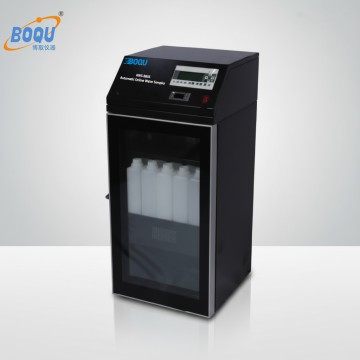
water analysis instruments

Hot Products for Drinking Water & Industrial Systems

BOQU water quality analyzer is strictly manufactured according to ISO9001& ISO14001 standards from R&D to the finished instruments. It has CE, SGS, FDA, CEP and other certificates.

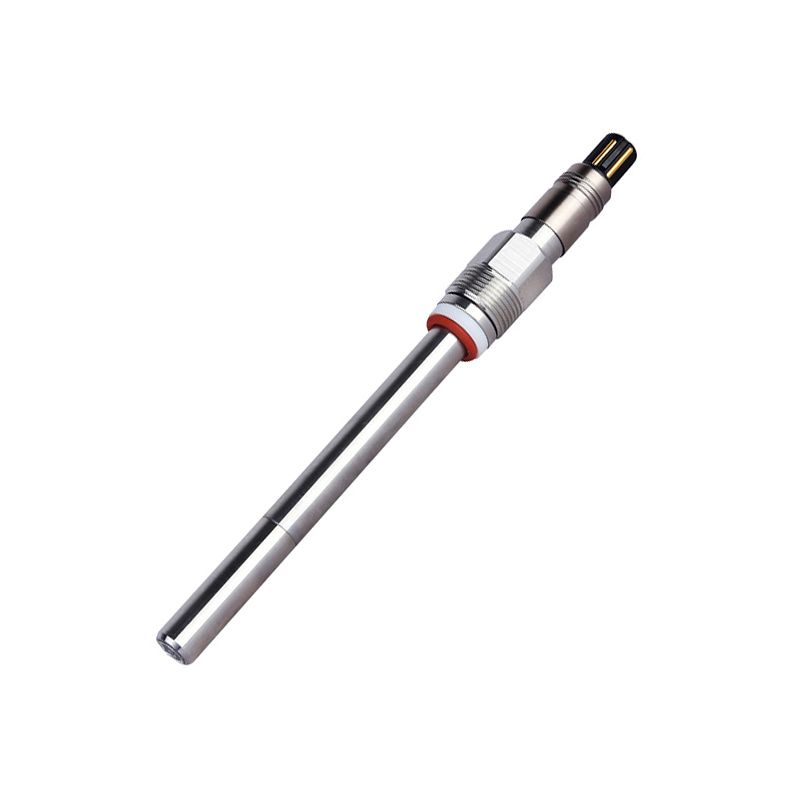
pH5806 High Temperature pH Sensor

pH5806 High Temperature pH Sensor

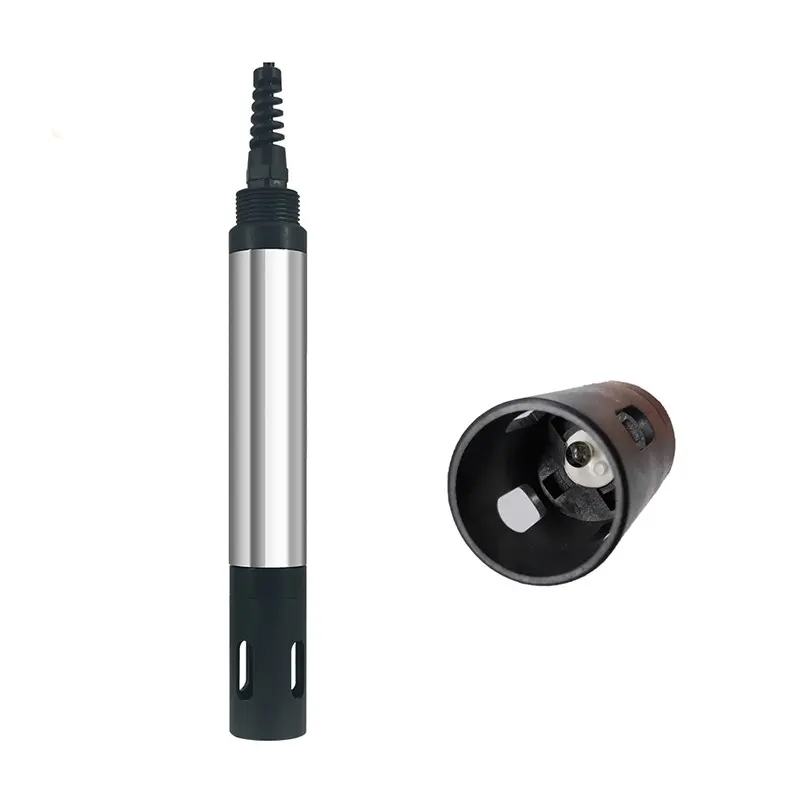
DOG-208FA High Temperature DO Sensor

DOG-208FA High Temperature DO Sensor

IOT-485-pH Digital Online pH Sensor

IOT-485-pH Digital Online pH Sensor

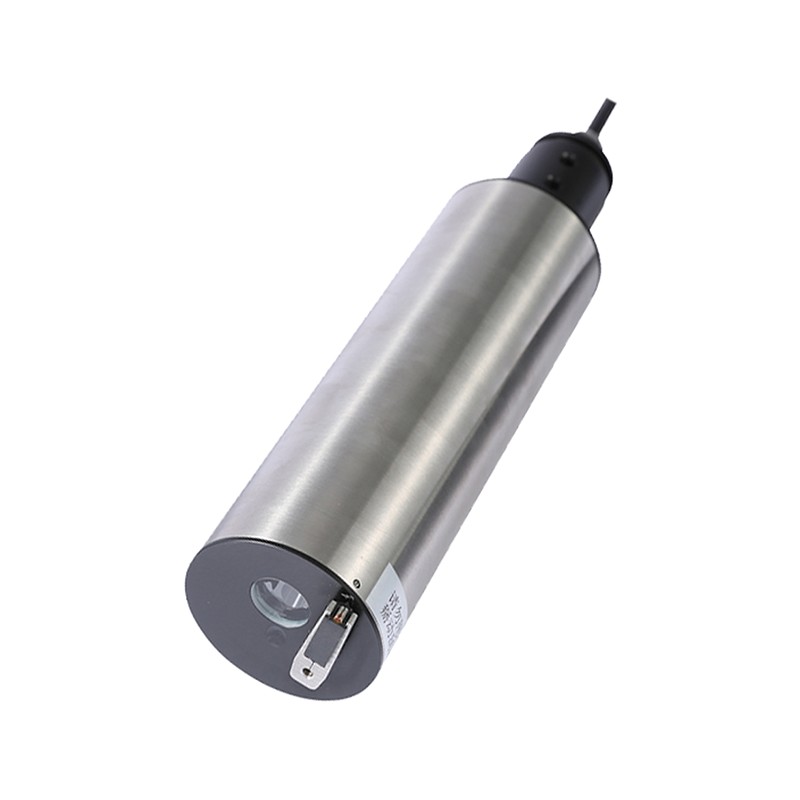
ZDYG-2088-01QX Online Turbidity Sensor

ZDYG-2088-01QX Online Turbidity Sensor

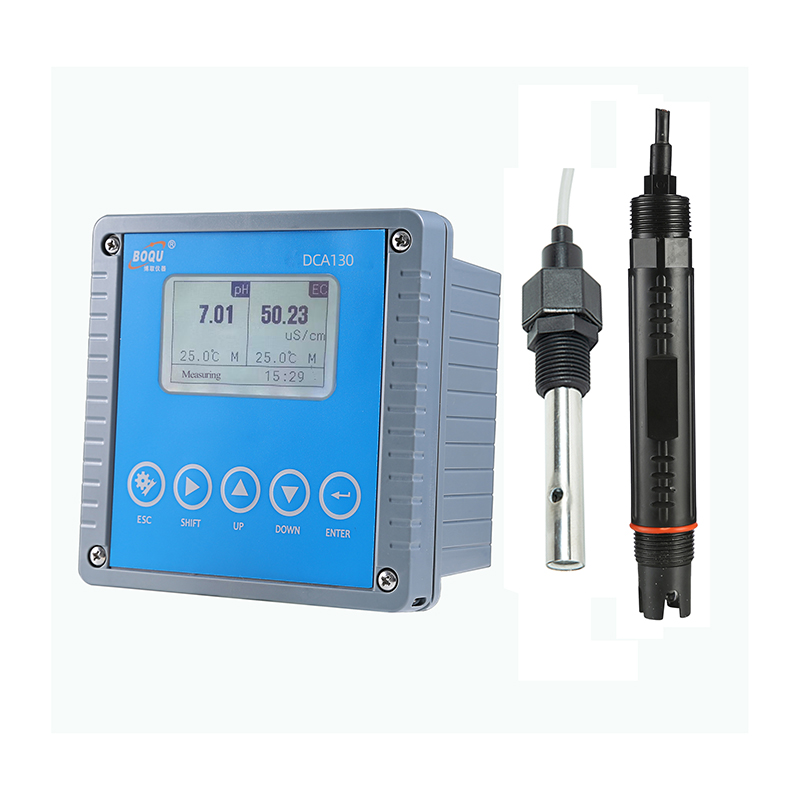
DCA130 Online pH&EC Dual Channel Analyzer

DCA130 Online pH&EC Dual Channel Analyzer

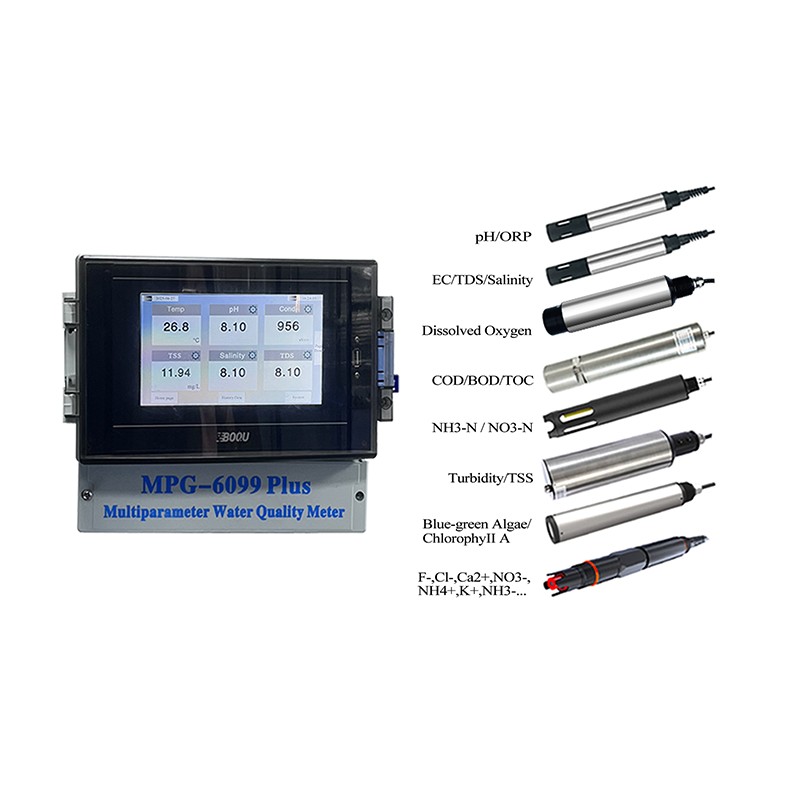
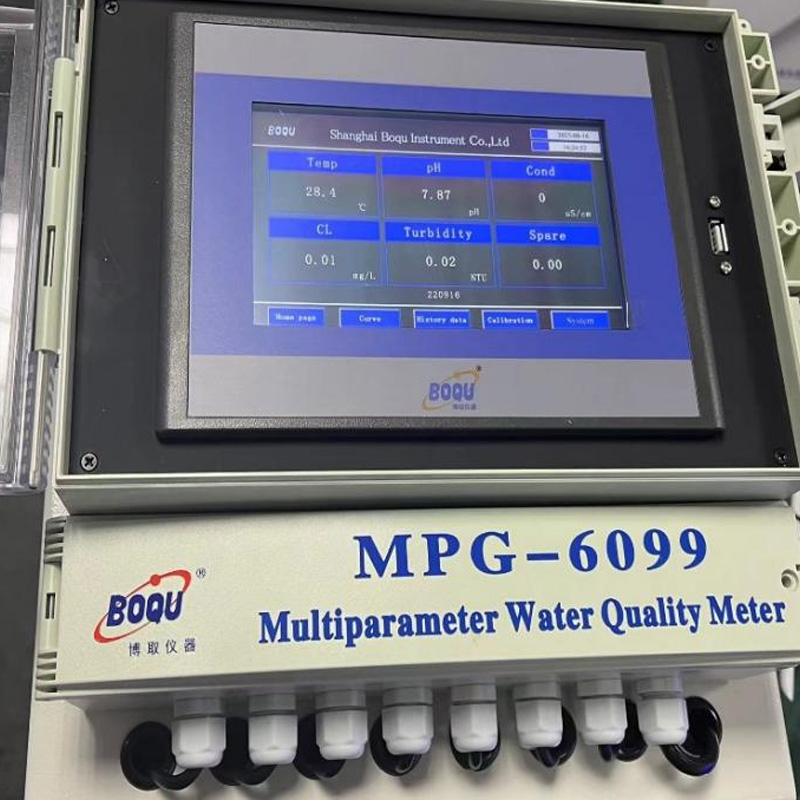
MPG-6099Plus Multi-parameter Water Quality Analyzer

MPG-6099Plus Multi-parameter Water Quality Analyzer

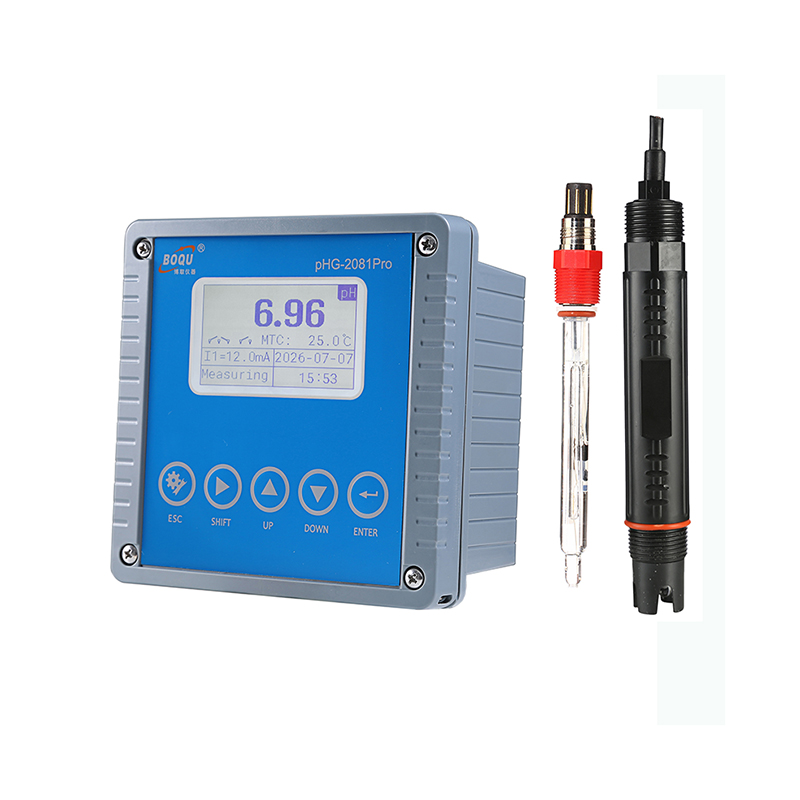
pHG-2081Pro Online pH Analyzer

pHG-2081Pro Online pH Analyzer

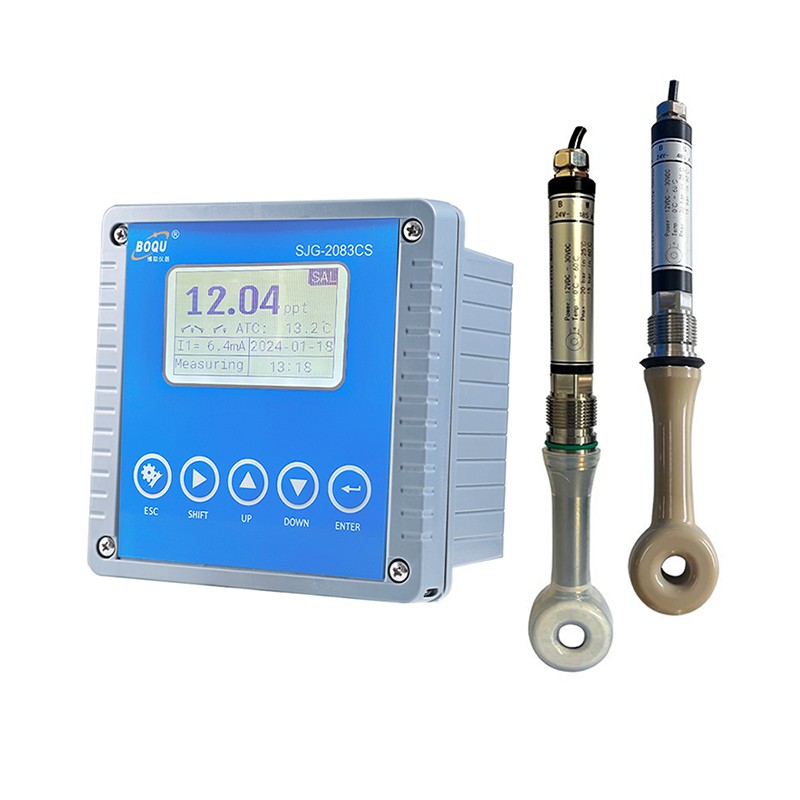
SJG-2083CS Online Acid and Alkali Concentration Meter

SJG-2083CS Online Acid and Alkali Concentration Meter

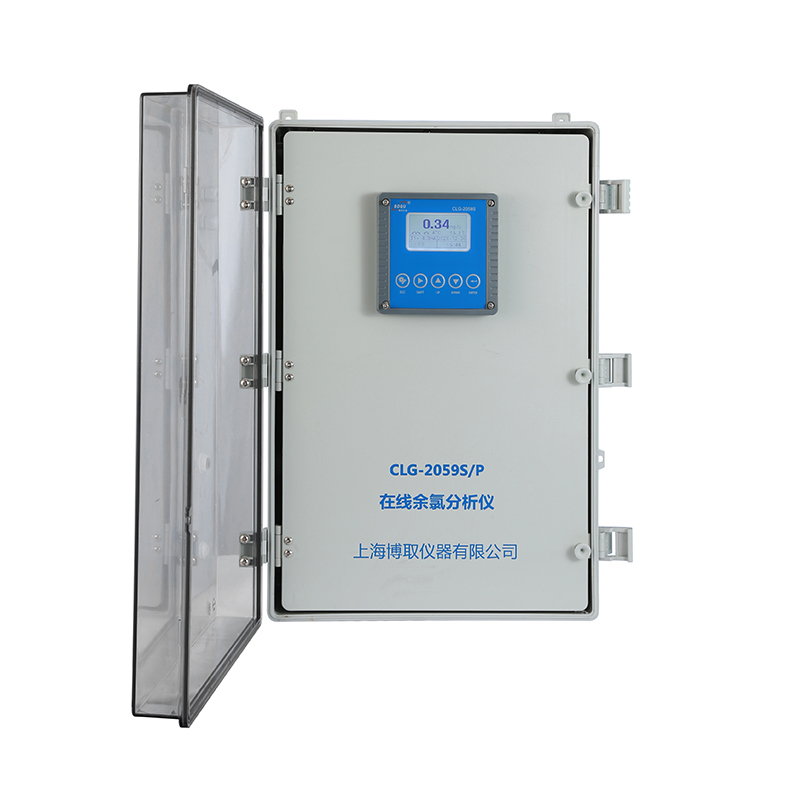
Online Residual Chlorine Analyzer

Online Residual Chlorine Analyzer

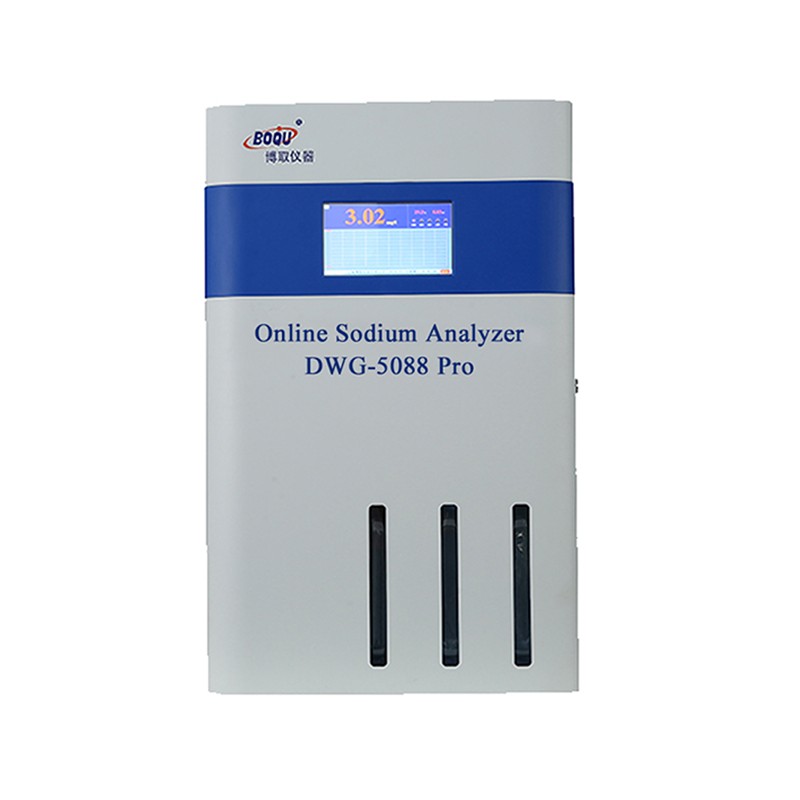
Online Silicate/ Phosphate/ Sodium/ Hydrazine Analyzer

Online Silicate/ Phosphate/ Sodium/ Hydrazine Analyzer

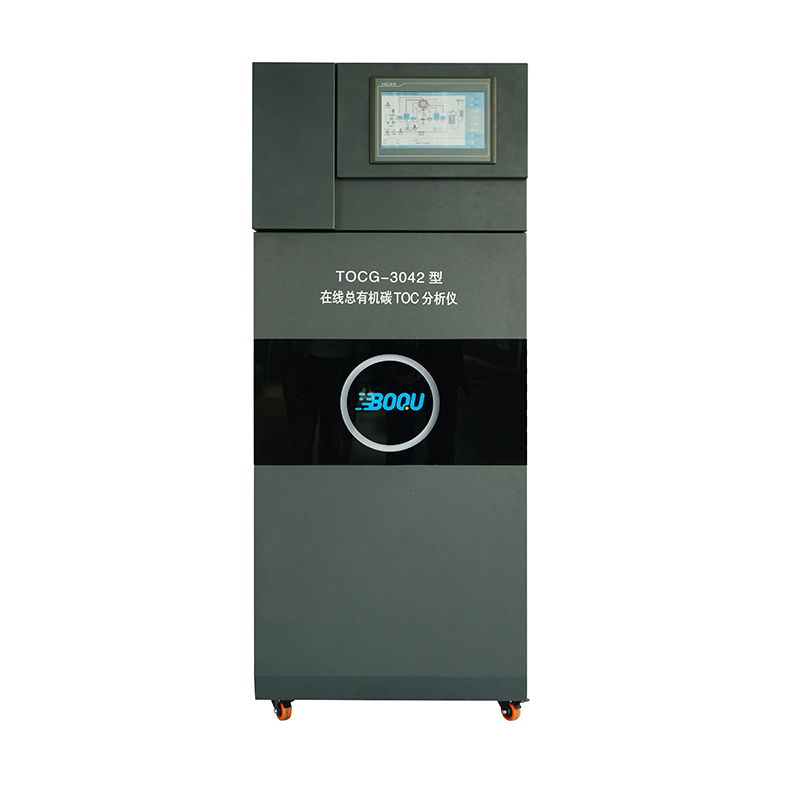
TOC-3042 Online TOC Analyzer

TOC-3042 Online TOC Analyzer

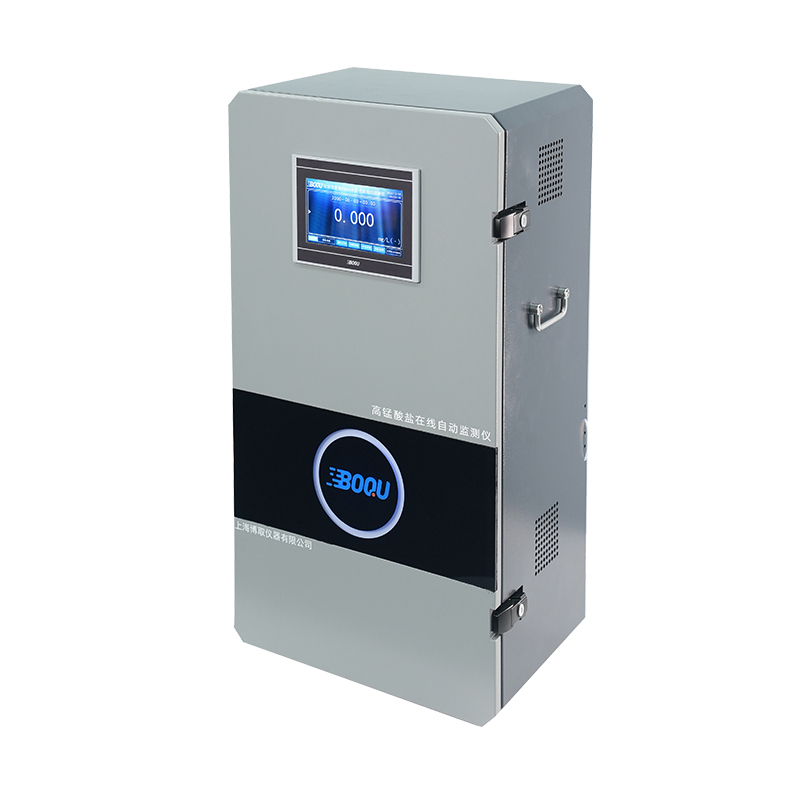
Online COD, TP, TN, NH3-N, NO3-N, Iron, Heavy Metal Analyzer

Online COD, TP, TN, NH3-N, NO3-N, Iron, Heavy Metal Analyzer

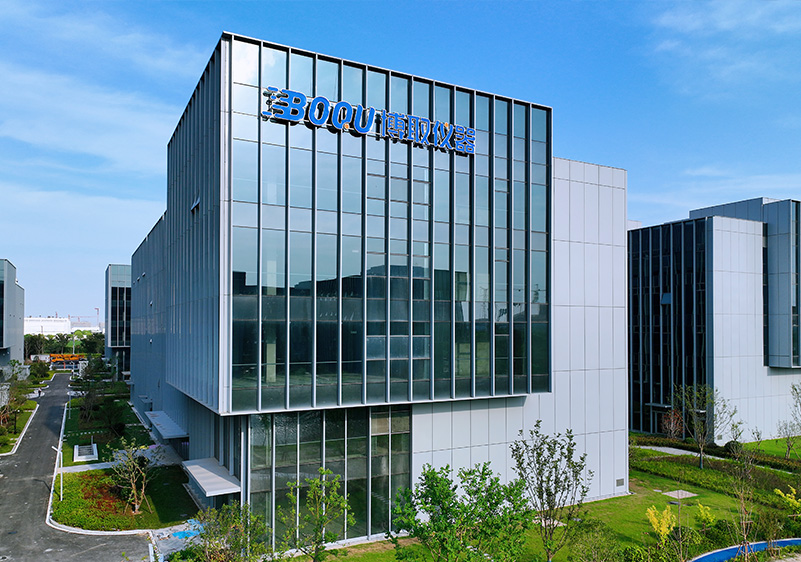
Shanghai BOQU Instrument Co., LTD Facility
Play Video
Introduction

Shanghai Boqu Instrument Co., LTD

Founded in 2007, Shanghai BOQU Instrument Co., Ltd. is a professional China manufacturer specializing in water quality analyzers, water sensors, and online water quality monitoring solutions. Located in Kangqiao Town, Pudong New Area, Shanghai, BOQU integrates research and development, manufacturing, sales, and technical support, providing customers worldwide with reliable and cost-effective water analysis instruments.

4632m²
Floorspace
200+
Employees
100000pcs
Annual production quantities
100+
Cooperating countries and regions
Applications

Industry Applications & Water Safety Scenarios

Across industries, water quality monitoring plays a vital role in both production processes and wastewater management. Accurate and reliable water quality measurement helps ensure process stability, improve product quality, enhance operational efficiency, and maintain production safety.

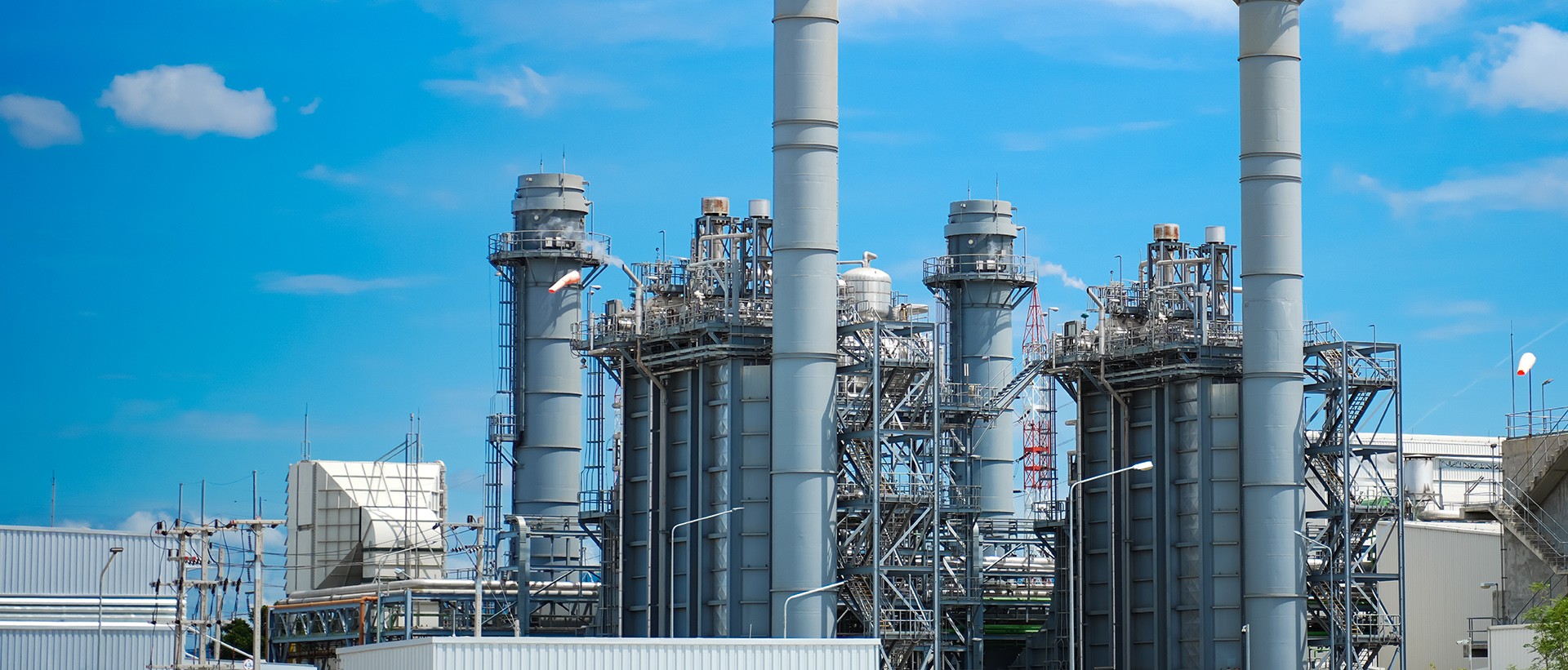
Drinking water plant safety & level monitoring

Drinking water plant

Drinking water quality monitoring is of paramount significance. It acts as a robust shield, safeguarding public health by promptly detecting contaminants and ensuring access to safe, clean water supplies.

View More →
Industrial waste water treatment

Industrial waste water treatment

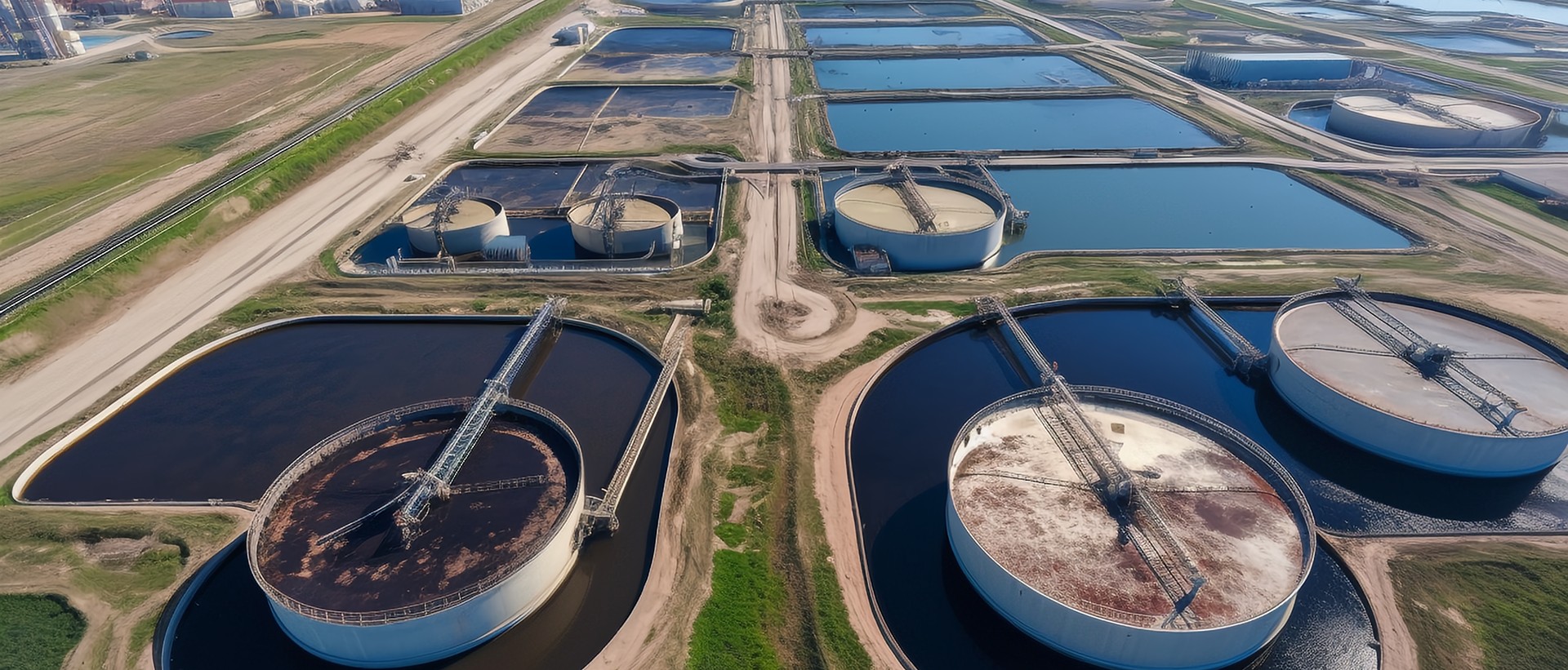
Industrial wastewater monitoring and testing parameters: PH, COD, BOD, oil & grease, Turbidity, ammonia nitrogen, color, total arsenic, total chromium, hexavalent chromium, copper, Conductivity, cadmium, zinc, Total nitrogen, total phosphorus, chloride, fluoride, etc.

View More →
Swimming Pool Water Quality Monitoring

Swimming Pool Water Quality Monitoring

Water quality monitoring is essential for maintaining a safe and healthy swimming environment. Continuous monitoring of key parameters such as pH, residual chlorine, ORP, temperature, and turbidity helps prevent the growth of harmful bacteria and algae, ensures effective disinfection, protects swimmers from skin and eye irritation, and maintains compliance with public health standards.

View More →
Aquaculture Level & Quality Control

Aquaculture

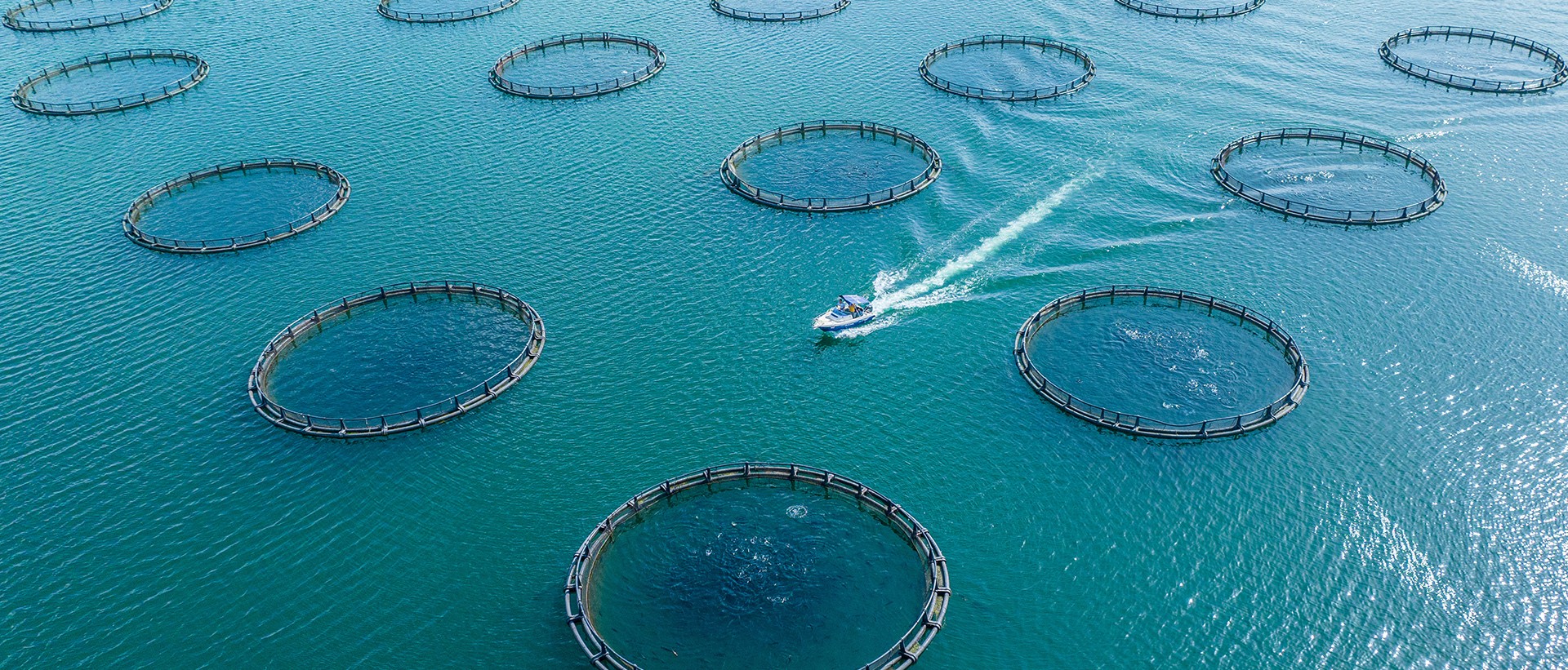
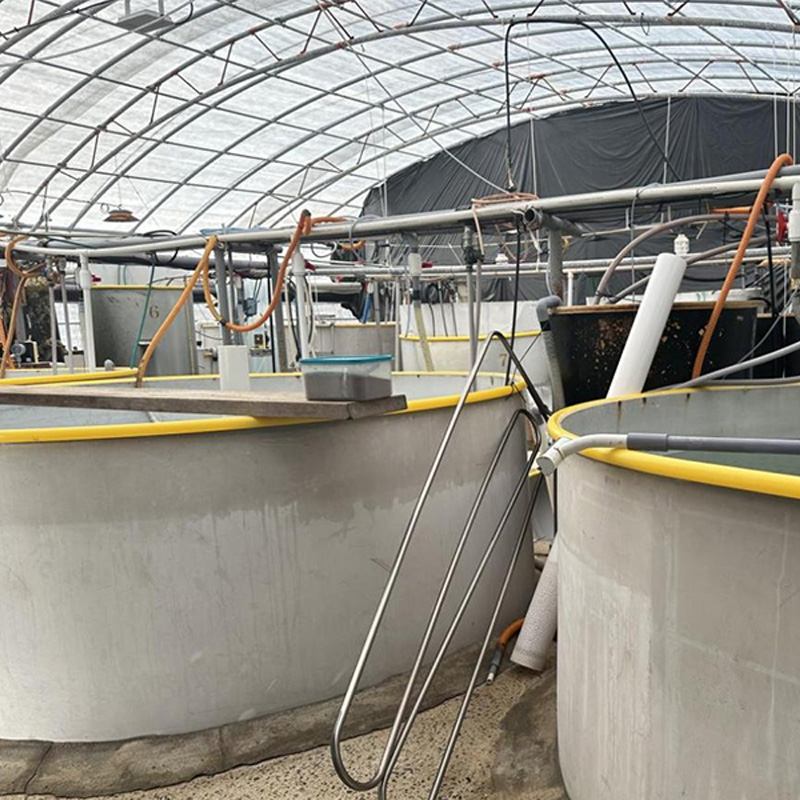
Water quality monitoring is essential for successful aquaculture. Maintaining optimal water conditions helps ensure healthy fish and shrimp growth, improves survival rates, reduces disease outbreaks, and increases production efficiency.

View More →
Biopharma Fermentation Water Safety

Biopharma Fermentation

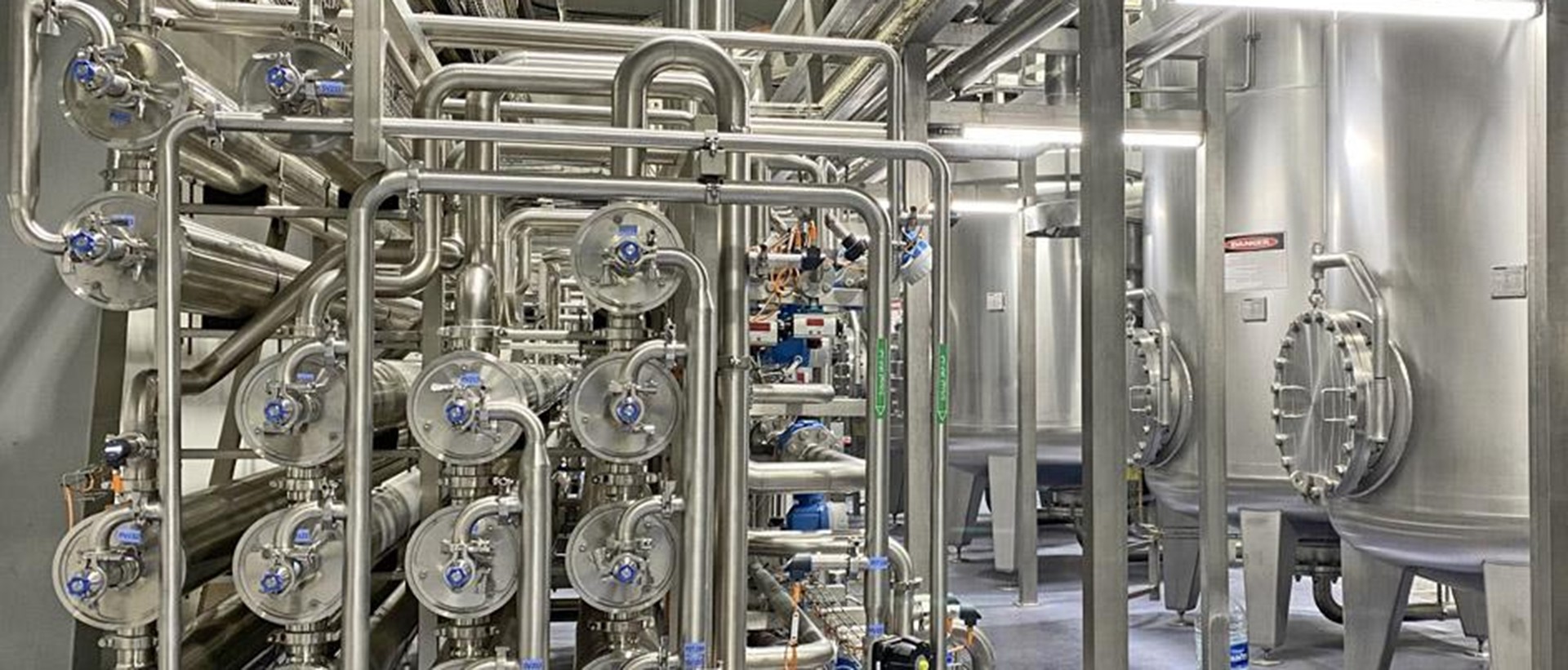
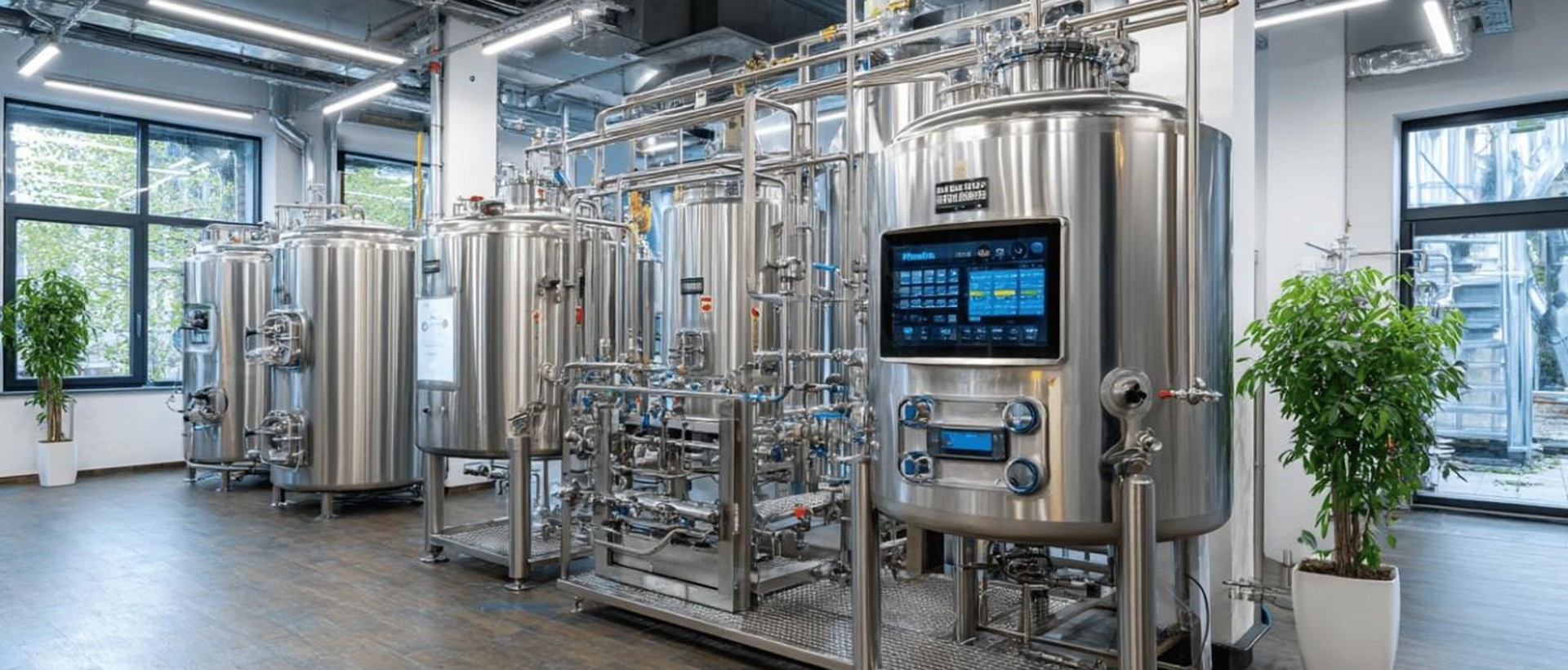
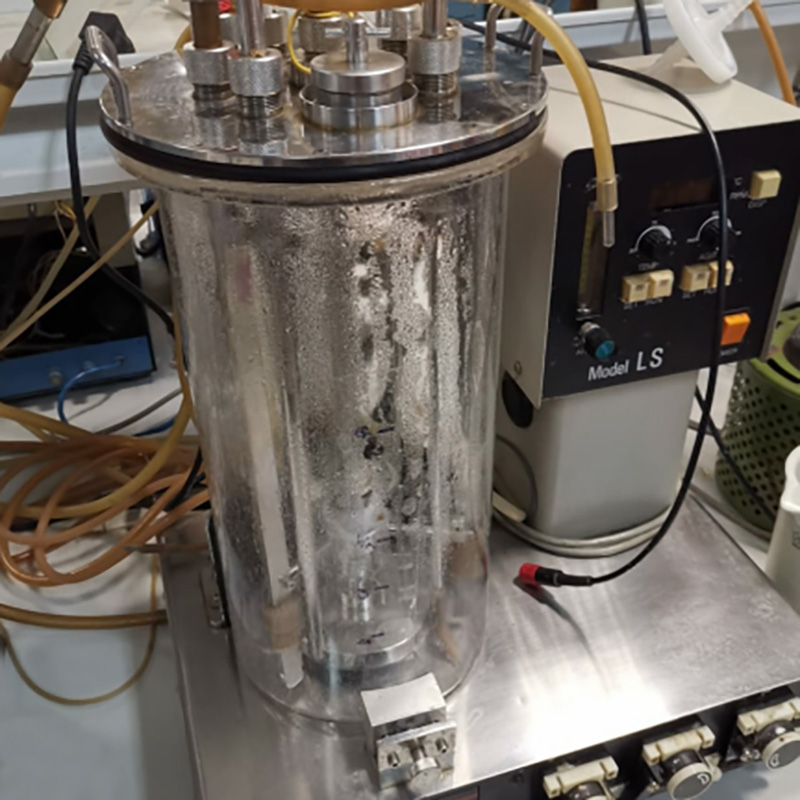
In high-temperature pharmaceutical manufacturing, rigorous water quality monitoring is critical. It safeguards product purity, prevents equipment corrosion, and ensures compliance with strict regulatory standards, underpinning both safety and operational efficiency.

View More →
Power plant of steam and water analysis system(SWAS)

Steam Water Analysis System(SWAS)

In high-power thermal power generation, circulating water quality monitoring is critical. Poor water quality can cause pipe scaling and corrosion, reducing thermal efficiency, damaging equipment, and even leading to unplanned outages, which severely impacts power plant safety and economic operation.

View More →
advantages

WHY CHOOSE US

With nearly two decades of expertise in water quality monitoring, BOQU Instrument is a trusted manufacturer of water quality analyzers, sensors, and complete water monitoring solutions. We are committed to helping customers worldwide achieve accurate, reliable, and cost-effective water quality management.

Independent R&D

Independent R&D and Innovation

With an independent R&D team, BOQU continuously innovates to deliver accurate, reliable, and customized water quality monitoring solutions.

High-Temperature Laboratory

High-Temperature Laboratory

China's first high-temperature water-quality sensor laboratory for demanding calibration and validation.

Production Capacity

Two Factories, Real Capacity

4632m², 200+ staff and annual output of over100,000 units across two Shanghai factories.

OEM & ODM

OEM & ODM Manufacturing

With an annual production capacity of over 100,000 analyzers and sensors, BOQU provides fast delivery, flexible customization, and reliable OEM & ODM manufacturing services.

Certified Quality

Certified Quality

Backed by ISO 9001, CE, SGS, and FDA certifications, every product undergoes 48-hour pre-shipment testing to ensure superior quality and reliability.
Shanghai Brand

Shanghai Brand

The pH5806 high-temperature pH sensor manufactured by BOQU has obtained the "Shanghai Brand" certification certificate.
EXPLORE PROJECTS

SUCCESSFUL CASES IN WATER SAFETY & INDUSTRIAL CONTROL

Thanks to the trust and support of our customers worldwide, BOQU has successfully partnered with over 2,000 companies across diverse industries.

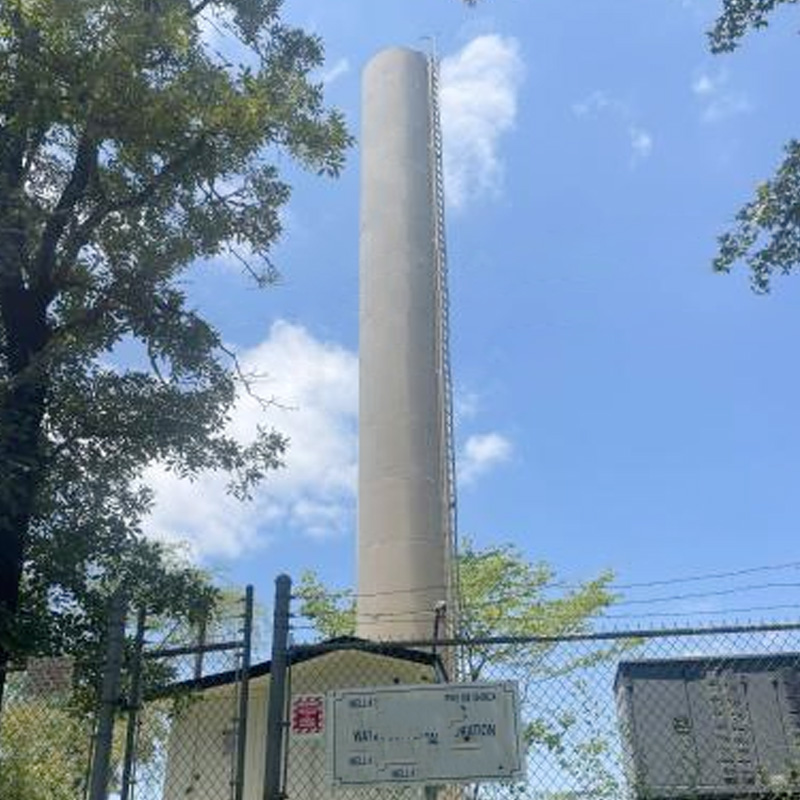
Application Case of Residual Chlorine in Drinking Water in America

Application Case of Residual Chlorine & Level Monitoring in Drinking Water in America

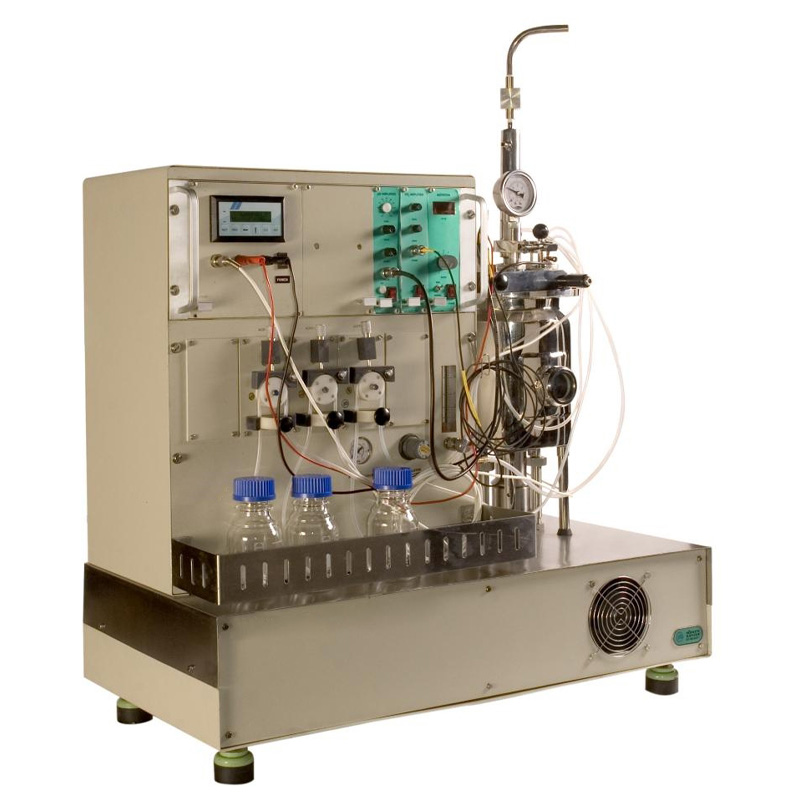
Application Case of High Temperature Fermentation in India

Application Case of High Temperature Fermentation in India

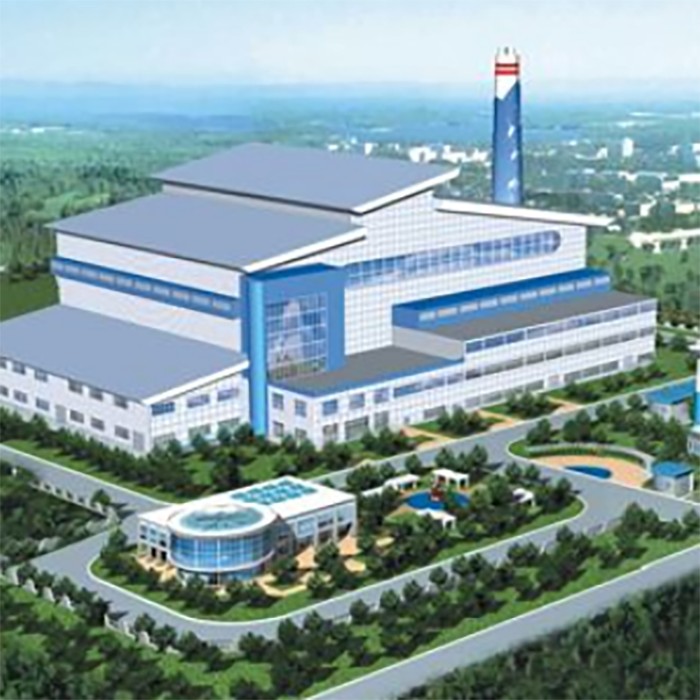
Application Case of A Domestic Waste Incineration Power Plant in Beijing

Application Case of A Domestic Waste Incineration Power Plant in Beijing

Fermentation Process Monitoring Case of A Industrial Enterprise in Russian

Fermentation Process Monitoring Case of A Industrial Enterprise in Russian

Application Case of Aquaculture in Korean

Application Case of Level & Quality Telemetry in Aquaculture in Korean

Application Case of Aquaculture in Malaysian

Application Case of Aquaculture in Malaysian

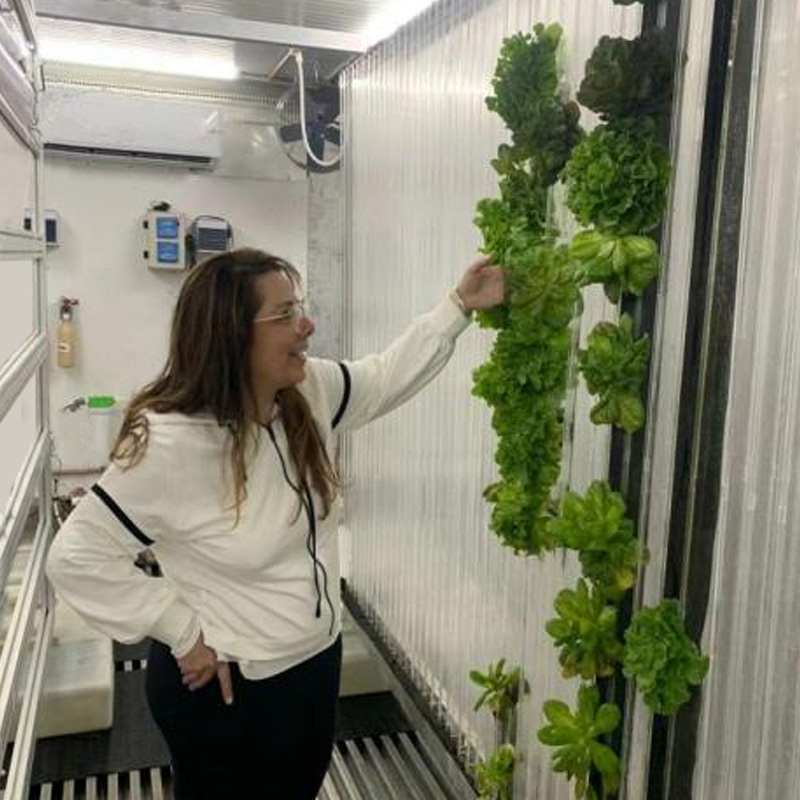
Application Case of Hydroponics Industry in Brazil

Application Case of Hydroponics Industry in Brazil

Application of multiple parameters in a sewage treatment plant in Vietnam

Application of multiple parameters in a sewage treatment plant in Vietnam

Factory

Factory Exhibition & Precision Manufacturing

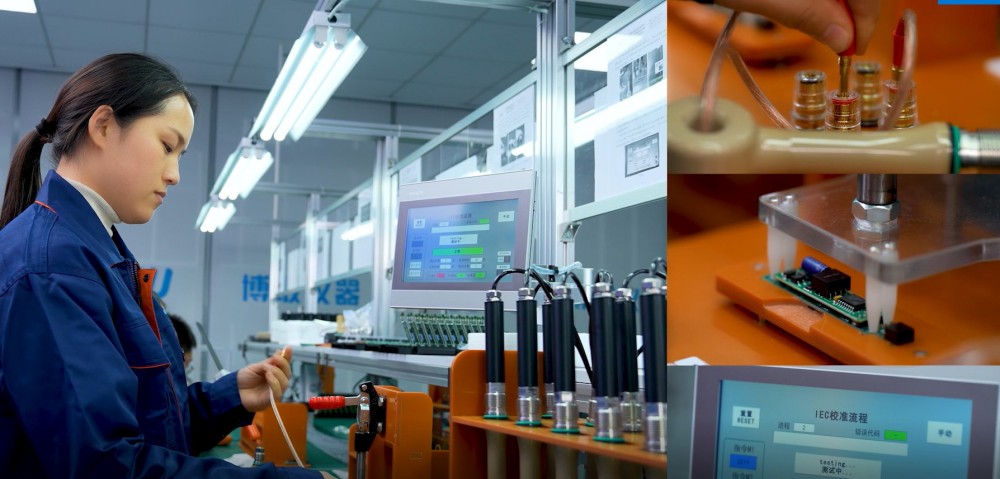
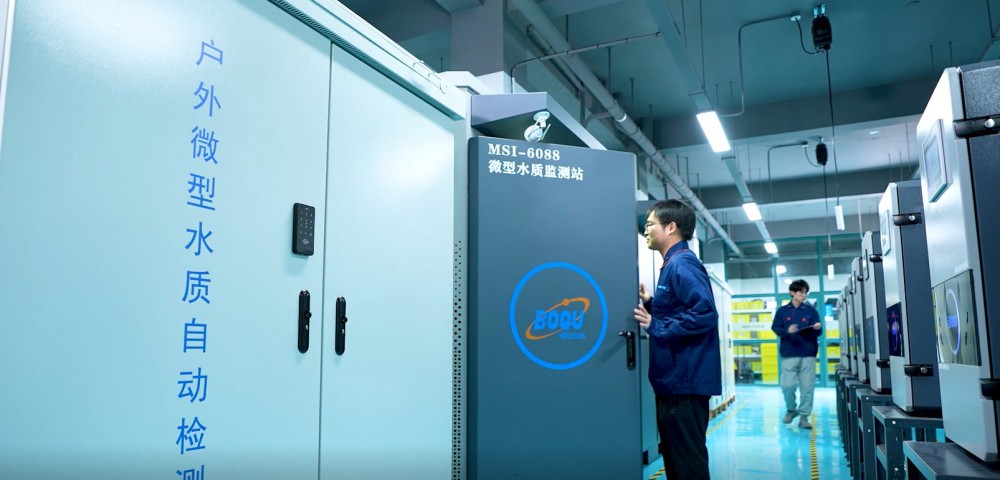
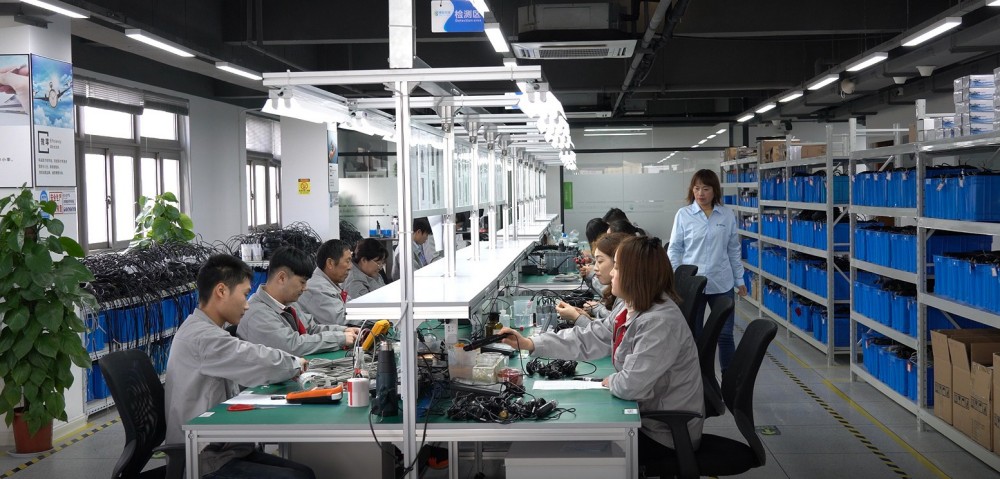
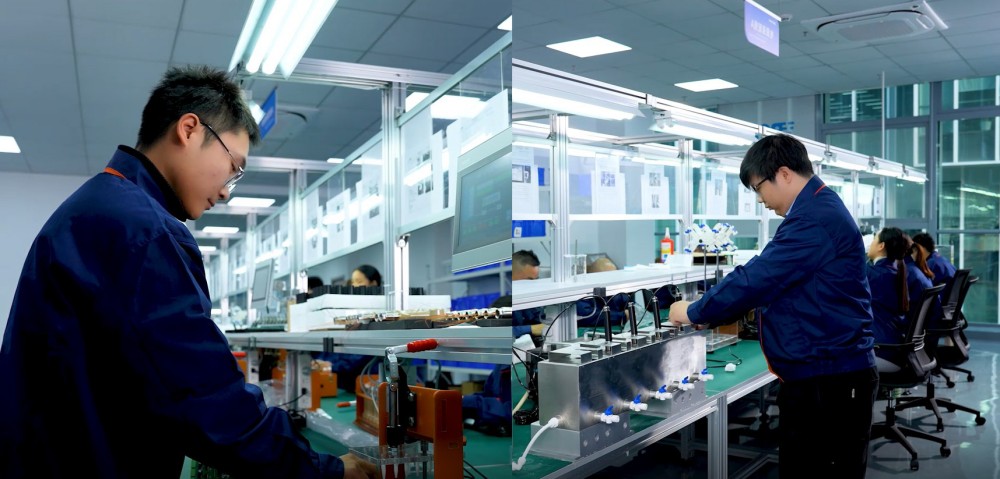
From raw materials to high-precision smart sensors, and from PCB assembly to professional water quality analyzers, every stage of the manufacturing process is completed in BOQU's dedicated production facilities. Our fully integrated, end-to-end manufacturing system ensures consistent quality, strict quality control, and reliable product performance.

Lingang Workshop 2
Kangqiao Workshop 2
Kangqiao Workshop 3
Lingang Workshop 1
Kangqiao Workshop 1

Welcome to BOQU Factory!

Follow the VR video and pay a visit to the BOQU production workshop. A production line you can see is far more trustworthy!