💧
In the contemporary landscape of environmental engineering, Turbidity Sensors For Sewage Treatment Plants serve as the "eyes" of the entire purification process. Turbidity, a measure of water clarity, is the primary indicator of suspended particles—including silt, clay, industrial waste, and microbial matter. For sewage treatment plants, real-time monitoring of these parameters is not just a regulatory compliance requirement, but a fundamental operational necessity to prevent system clogging, protect downstream ecosystems, and optimize chemical dosing for flocculation.
Industry Status & Technological Evolution
The transition from manual sampling to IoT-enabled automation has revolutionized how plants operate. BOQU’s commitment to high-precision sensing aligns with the global trend towards "Smart Water" systems. Today, sensors like the ZDYG-2088-01QX utilize infrared light scattering methods, which provide non-contact, drift-resistant, and high-accuracy measurements even in harsh, high-concentration sludge environments.
Deep Dive: Deep Application Scenarios
-
Influent Monitoring: Early detection of high-turbidity surges allows operators to adjust pre-treatment steps to prevent biological unit overload.
-
Clarifier Efficiency: Continuous turbidity logging provides actionable data on the sedimentation rate, allowing for real-time automation of scraper mechanisms.
-
Discharge Compliance: Ensuring effluent quality meets national standards by tracking clarity before the water returns to public waterways.
Future Trends: AI and Predictive Maintenance
Moving forward, the integration of 5G and AI-based analytics is the next frontier. By combining turbidity data with other water quality parameters (pH, DO, ORP), plants are now utilizing machine learning to predict potential treatment process failures hours before they occur, significantly reducing downtime and energy costs.

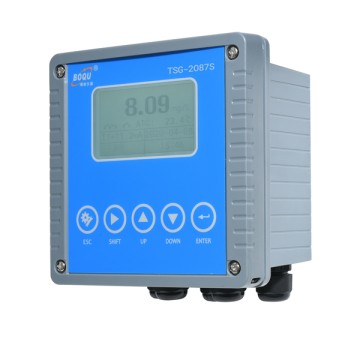 TSG-2087S Industrial TSS Meter
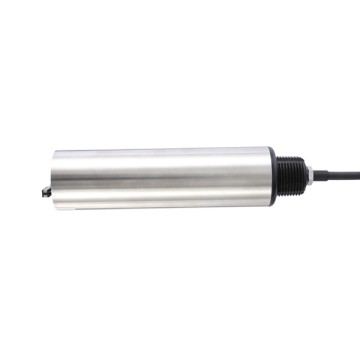 IoT Digital Turbidity Sensor
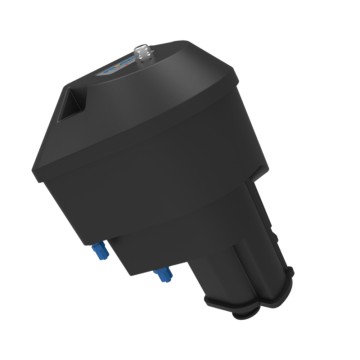 Secondary Water Supply Sensor
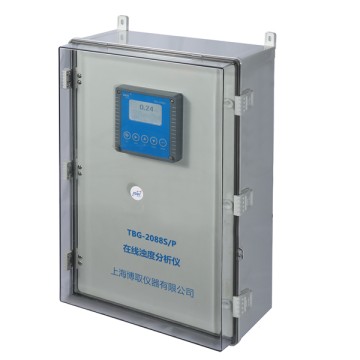 Drinking Water Turbidity Analyzer
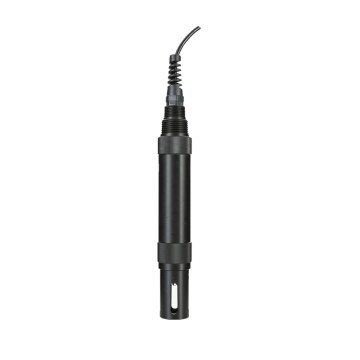 Online pH&ORP Sensor
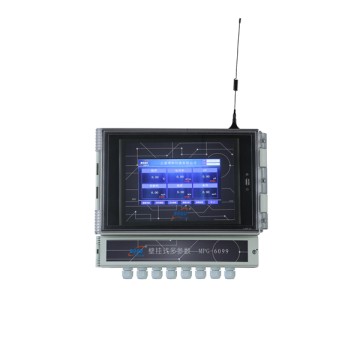 Multi-parameter Analyzer
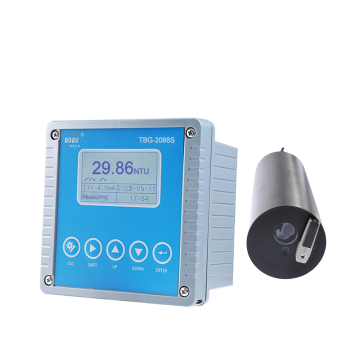 Sewage Turbidity Meter