The Critical Importance of TSS Analysis For Sewage Treatment Plants
In the modern era of environmental protection and industrial sustainability, Total Suspended Solids (TSS) analysis has emerged as one of the most vital parameters in wastewater management. For sewage treatment plants, maintaining accurate TSS levels is not just a regulatory necessity; it is the backbone of efficient process control and environmental compliance.
Why TSS Analysis Matters
TSS represents the dry weight of suspended particles in water that can be trapped by a filter. In sewage treatment, these particles consist of a wide variety of materials, including silt, decaying plant and animal matter, industrial wastes, and sewage. High TSS levels can clog treatment equipment, reduce the effectiveness of disinfection processes (like UV or Chlorination), and harm aquatic ecosystems upon discharge.
Technological Evolution: From Lab to Online
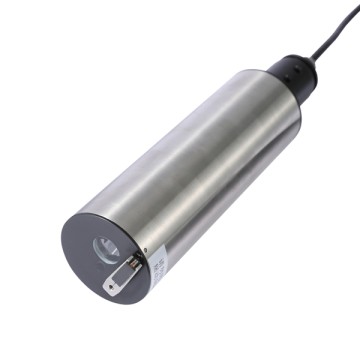
Traditionally, TSS was measured in laboratory settings using gravimetric methods—a time-consuming process that involves filtering, drying, and weighing. However, the paradigm has shifted. Today, real-time online TSS monitoring, such as the solutions provided by BOQU, utilizes advanced optical sensors. These sensors use light scattering (turbidity-based) or ultrasonic attenuation technologies to provide instantaneous, accurate readings, allowing plant operators to respond immediately to sludge buildup or process upsets.
Deep-Dive: Application Scenarios in Sewage Plants
1. Influent Monitoring
Tracking the TSS load entering the plant allows operators to adjust chemical dosing and pumping rates preemptively. By identifying load spikes, plants can prevent hydraulic overloading of the primary clarifiers.
2. Aeration Tank Control
The Mixed Liquor Suspended Solids (MLSS) concentration is a critical indicator of biological health. TSS analysis provides the data necessary to control Return Activated Sludge (RAS) and Waste Activated Sludge (WAS) rates, ensuring the bacteria remain in their optimal growth phase.
3. Secondary Effluent Compliance
Discharge permits often dictate strict TSS limits to prevent pollution in receiving bodies like rivers and oceans. Automated TSS meters ensure that the effluent meets these standards 24/7, safeguarding the facility against heavy fines and reputational damage.
Industry Trends: IoT and Predictive Maintenance
The convergence of IoT (Internet of Things) and water quality analysis is transforming sewage treatment plants into "Smart Plants." By integrating digital TSS sensors into an industrial cloud network, plant managers can now perform predictive maintenance. Algorithms analyze TSS trends to predict fouling of filtration membranes or the degradation of biological sludge before it causes a system failure, significantly reducing operational costs and extending equipment lifespan.
Challenges in Industrial TSS Measurement
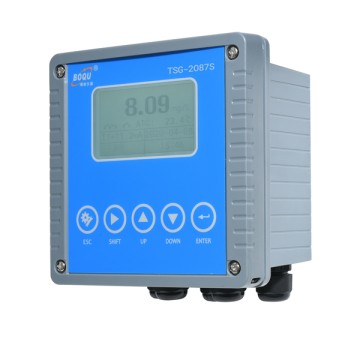
Despite the benefits, measurement in industrial sewage is challenging due to the harsh, corrosive nature of wastewater. Issues like lens fouling, interference from ambient light, and varying particle composition often plague lower-quality sensors. This is why investing in industrial-grade sensors like the TSG-2087S is crucial. Designed to withstand aggressive environments, these instruments utilize advanced signal processing to filter out noise, providing reliable data even under the most demanding conditions.
The BOQU Advantage in Water Analysis
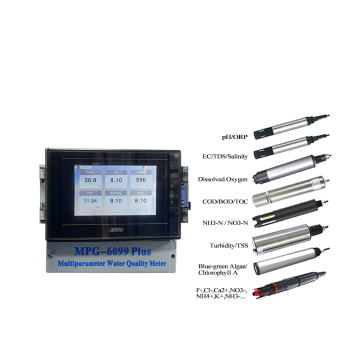
At BOQU, we understand that every plant has unique requirements. Our comprehensive suite of products—ranging from IoT digital TSS sensors to multi-parameter water quality analyzers—is engineered to provide seamless integration into existing control systems. Our commitment to ISO9001 and ISO14001 standards ensures that our clients receive instruments that are not only accurate but built to last. Whether you are upgrading an old facility or building a new municipal treatment hub, our solutions offer the precision and reliability needed to optimize your water quality management strategy.