2026 Best Turbidity Sensor for Water Quality Testing?
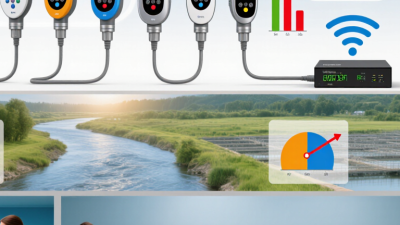
When you're choosing the best turbidity sensor for 2026, it's not just about price tags or flashy displays. Water-quality teams need readings they can actually count on—especially when field conditions keep changing. Even a river sample that looks clear can still hold fine clay, algae, or organic particles. And these materials scatter light in different ways, so if the instrument isn't maintained well, you can end up with misleading results.
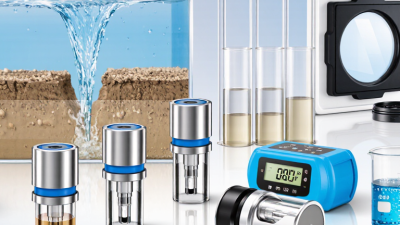
Water-quality specialist Dr. Thomas C. Granato put it plainly: 'Turbidity is a measurement, not a diagnosis.' And honestly, that difference is a big deal. A turbidity sensor can pick up on changes in suspended particles, sure—but on its own, it won’t tell you where they’re coming from. That’s why operators need to pair those readings with sampling records, calibration checks, and what they know about the local water. The little things count, too. A scratched vial, a trapped air bubble, even a dirty optical window can throw the result off.
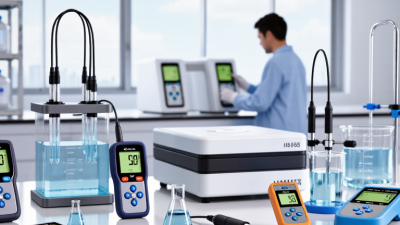
So, what’s this guide about? Well, it digs into the stuff that really matters with sensors—accuracy, measurement range, response time, how often they need cleaning, and whether they can hold up out in the field. It also takes a look at how gear from Hach, Xylem, and Ec Sensor actually performs in real-world monitoring setups. If you need something compact for routine testing, the Ec Sensor Turbidity Sensor might be worth a look. That said, no device is perfect—each one has its limits. Honestly, no sensor stays reliable unless it’s calibrated properly and handled consistently. That’s the awkward bit. Marketing specs can sound really precise, but how it actually performs often comes down to things like temperature, flow, sample color, and even operator habits. So I’d say treat the specs as a starting point, not as final proof. The right sensor isn’t the one that gives you one impressive result—it’s the one that keeps giving you data you can defend.
Read more »