💧
The Critical Role of Sodium Ion Meter For Beverage Production
In the modern, highly automated landscape of beverage manufacturing, precision is not just an advantage; it is a fundamental requirement. Among the various parameters that determine the quality, safety, and regulatory compliance of a finished product, sodium ion concentration stands out as a key indicator. The integration of a reliable Sodium Ion Meter for beverage production is essential for maintaining product consistency across massive output volumes.
Why Sodium Monitoring Matters
Whether producing functional sports drinks, mineral-enriched bottled water, or plant-based beverages, the sodium balance dictates the final product's flavor profile and nutritional profile. In sports drinks, sodium is a critical electrolyte that must be precisely balanced to ensure rapid rehydration and performance enhancement for athletes. In contrast, in standard bottled water, excessive sodium levels may indicate contamination or an unwanted mineral profile. An online sodium ion meter ensures that manufacturing processes remain within strictly defined parameters, mitigating the risk of batch spoilage and regulatory non-compliance.
Technological Advancements in Beverage Monitoring
The transition from manual sampling to continuous, online monitoring represents the most significant shift in the beverage industry over the last decade. Modern sensors utilize Ion-Selective Electrode (ISE) technology, which offers rapid response times and high sensitivity to sodium ion activity. By integrating these sensors directly into the production line, plant operators gain real-time visibility into the water quality, allowing for immediate corrective actions should deviations occur. This proactive approach minimizes downtime and prevents the production of sub-standard batches.
The Impact of Industry 4.0
The "smart factory" concept is no longer a futuristic goal but a present-day reality. Sodium ion meters integrated with IoT capabilities allow for remote data logging and cloud-based analytics. Beverage manufacturers can now track water quality trends over months, optimizing their water treatment processes to reduce waste and lower operational costs. Furthermore, predictive maintenance models can be applied; by monitoring the degradation of the sensor electrode, maintenance teams can replace parts before failure occurs, ensuring uninterrupted production cycles.
Ensuring Regulatory Compliance
Global food safety standards, including FDA, ISO, and HACCP requirements, mandate rigorous testing protocols. A high-precision sodium ion meter serves as a robust documentation tool. By providing automated, timestamped data logs, these instruments simplify the audit process, proving to regulatory bodies that the water used in the beverage production line consistently meets high quality and safety standards. This level of transparency builds brand trust and protects manufacturers from potential legal liabilities.
Beyond the Sensor: Holistic Quality Management
While the sodium ion meter is a vital component, it functions best when part of a broader analytical system. Conductivity sensors, pH meters, and dissolved oxygen analyzers work in tandem to provide a comprehensive picture of water chemistry. For example, high sodium levels are often correlated with changes in electrical conductivity. By correlating data from multiple sensors, advanced automation systems can diagnose process imbalances—such as a failing filter or a pump malfunction—long before they affect the final flavor or safety of the drink.
As the beverage industry faces increasing pressure to maximize sustainability and reduce resource consumption, precision measurement is the foundation of efficiency. By accurately monitoring every drop, manufacturers can significantly reduce the need for remedial water treatment and decrease environmental footprint, proving that investment in high-quality instrumentation is not just a technical necessity, but a sound economic strategy.

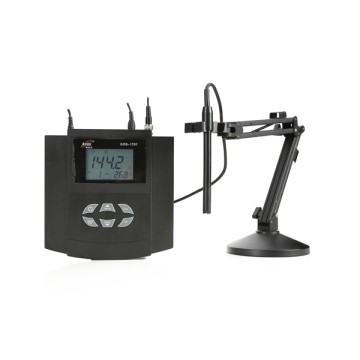 DOS-1707 Laboratory DO Meter
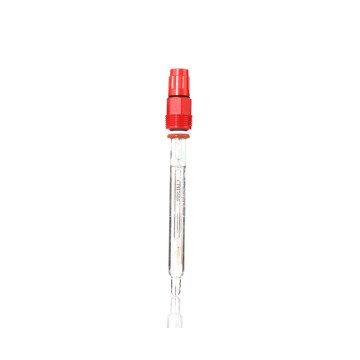 PH5806-K8S High-Temp pH Sensor
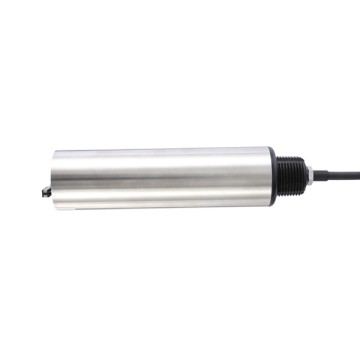 ZDYG-2087-01QX Turbidity Sensor
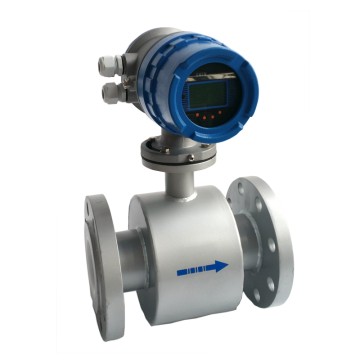 Electromagnetic Flow Meter

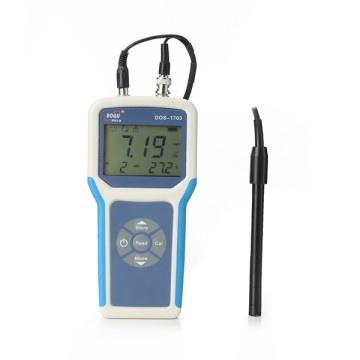 DOS-1703 Portable DO Meter
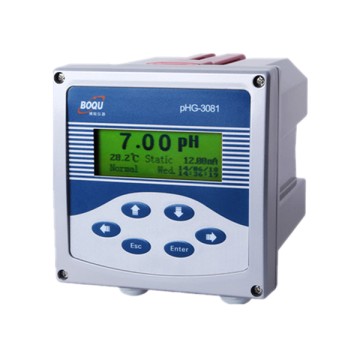 PHG-3081 Industrial pH Meter
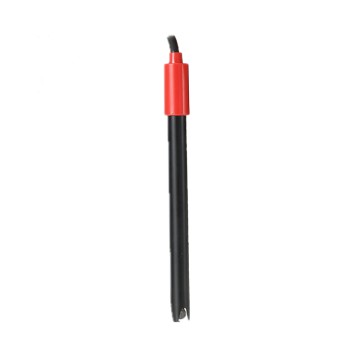 E-301 Laboratory pH Sensor
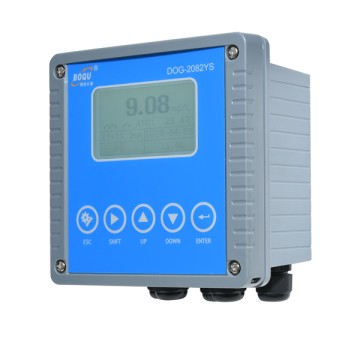 DOG-2082YS Optical DO Meter
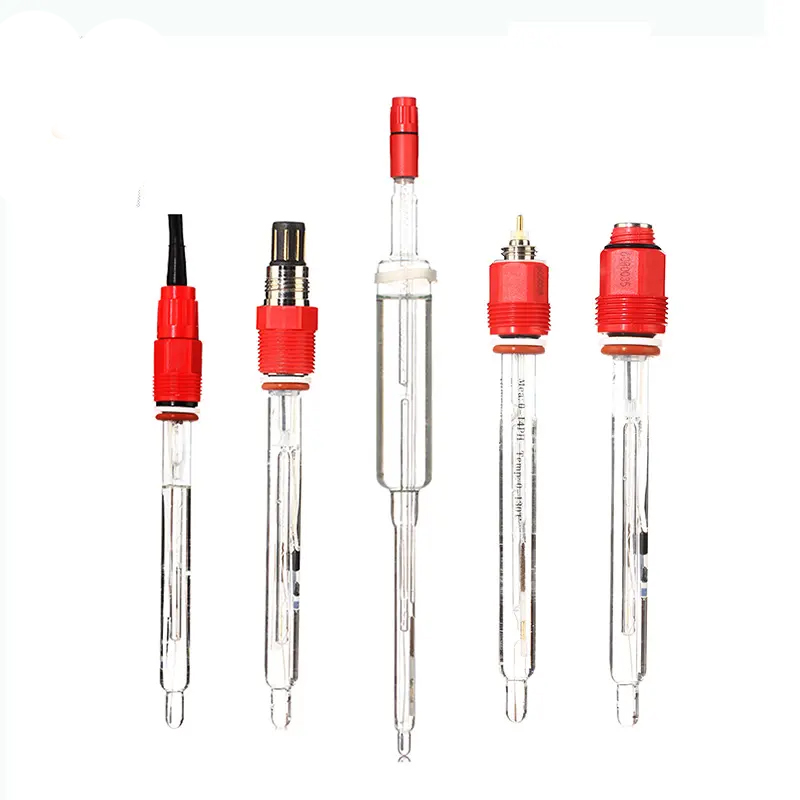 PH5806 High Temp pH Sensor
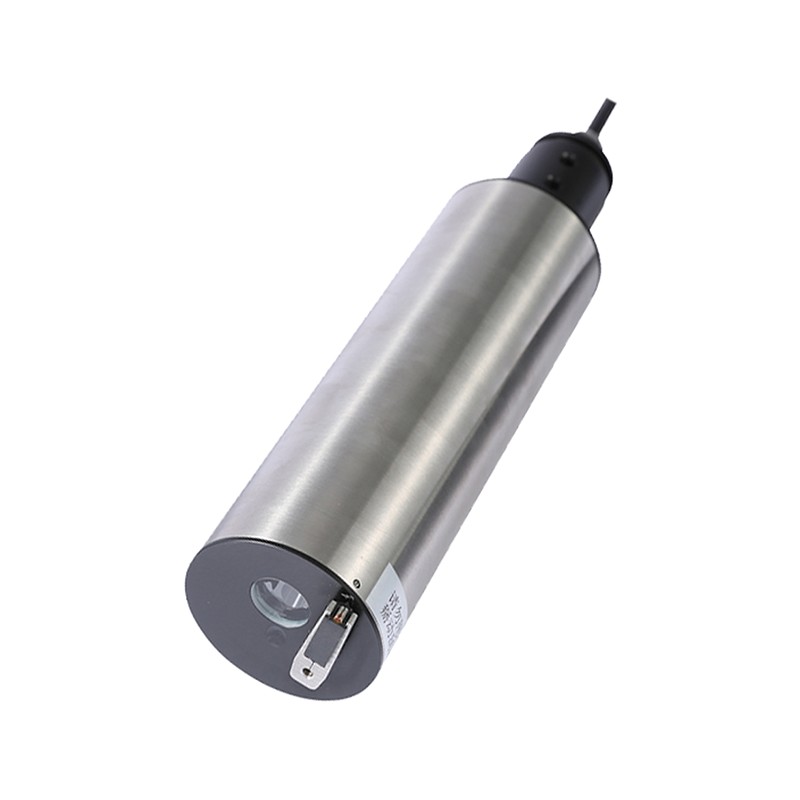 ZDYG-2088-01QX Turbidity
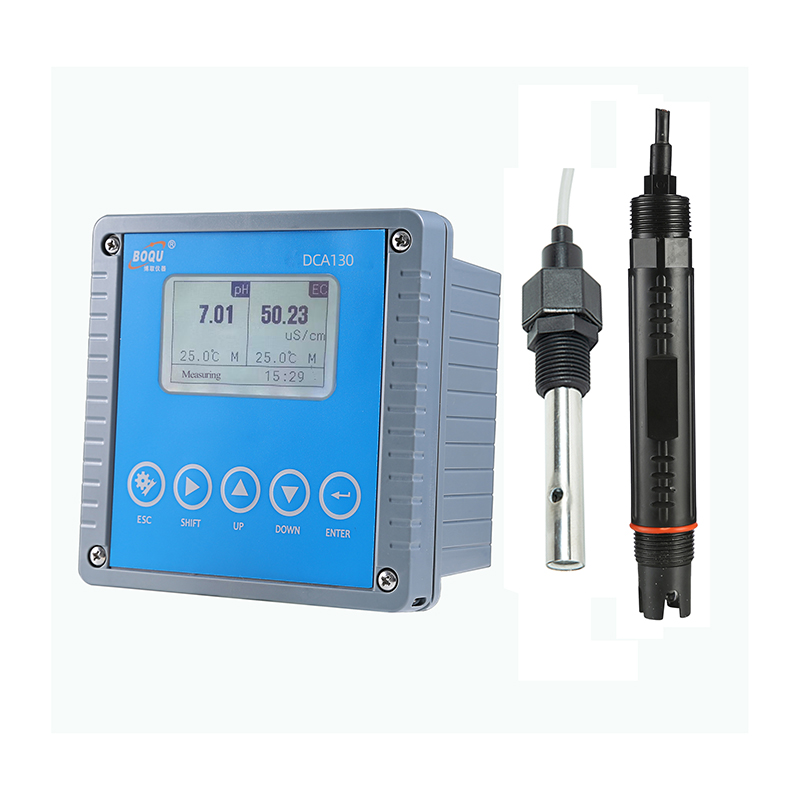 DCA130 Dual Channel Analyzer
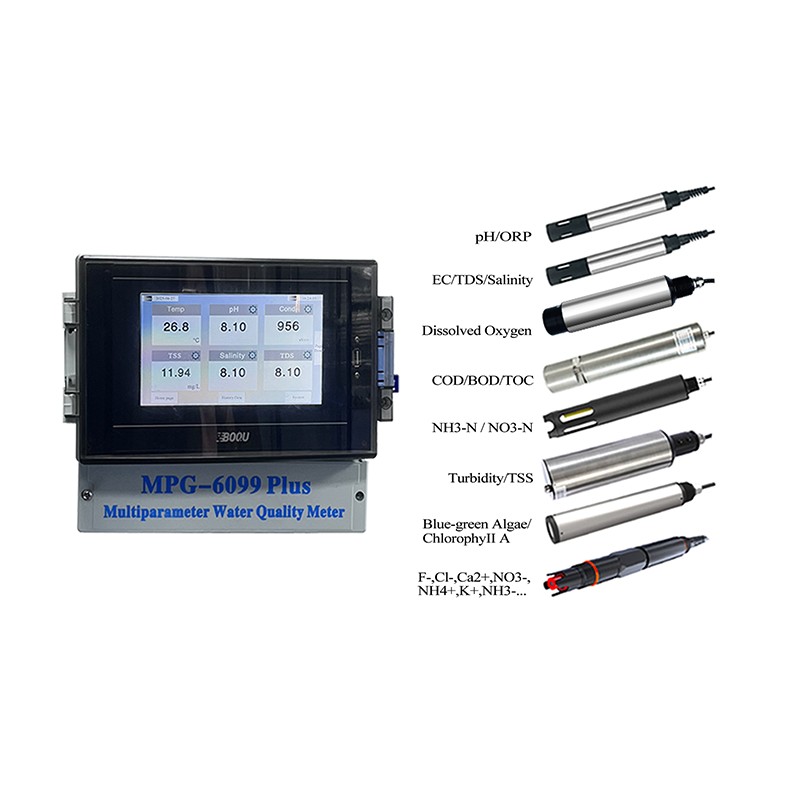 MPG-6099Plus Analyzer