The Critical Role of Portable Turbidity Meter For Industrial Wastewater
In the modern industrial landscape, water treatment is no longer just a regulatory requirement—it is a cornerstone of corporate sustainability and operational efficiency. A Portable Turbidity Meter For Industrial Wastewater serves as the primary diagnostic tool for plant managers and environmental engineers. Turbidity, a measure of water clarity and the concentration of suspended solids, provides immediate insight into the effectiveness of filtration, sedimentation, and coagulation processes.
⚙️
Deep Dive: The Science and Application
Industrial wastewater is complex. Whether it is from textile manufacturing, chemical processing, or heavy metal refining, the particulate load changes constantly. A portable instrument allows for "point-of-need" testing, enabling operators to move from the primary influent point to the final effluent discharge area without being tethered to a laboratory. This real-time visibility prevents environmental violations and optimizes chemical dosing for flocculants, saving significant operational costs.
Emerging Trends in Industrial Water Monitoring
The industry is shifting toward digital-first, IoT-enabled ecosystems. Modern portable meters now integrate with cloud dashboards, allowing field data to be synced with centralized SCADA systems. This transition minimizes human error, improves data auditability for compliance reports, and facilitates predictive maintenance cycles. As global discharge standards become stricter, the reliance on high-precision, portable optical sensors—specifically those utilizing ISO 7027 infrared technology—has become the industry benchmark.
📊
Comprehensive Analysis of Use Cases
Beyond traditional wastewater treatment, these meters are being deployed in:
-
Cooling Tower Maintenance: Monitoring blowdown water to prevent mineral scale accumulation.
-
Construction Site Discharge: Ensuring that site runoff meets municipal storm-water turbidity limits.
-
Mining and Aggregate Extraction: Managing settling pond efficiency during water recycling processes.

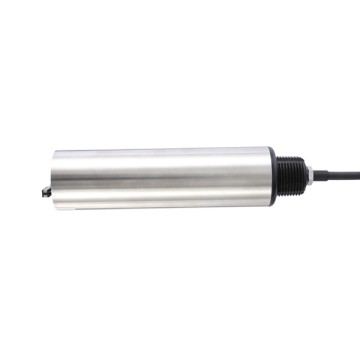 IoT Digital Turbidity Sensor
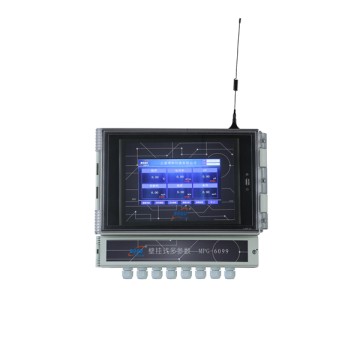 Wall-mounted Analyzer
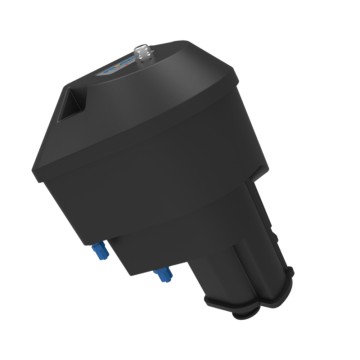 Secondary Water Sensor
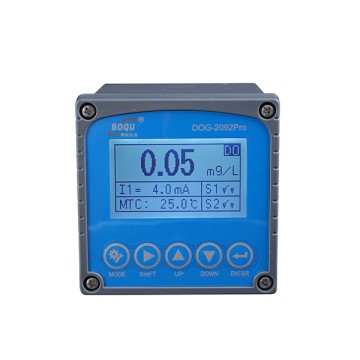 Online DO Meter
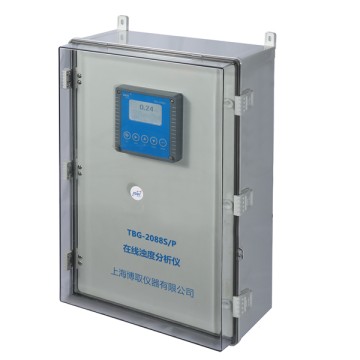 Online Drinking Water Turbidity
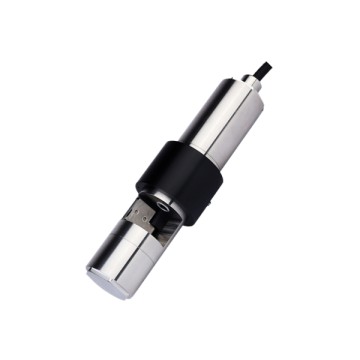 Industrial Turbidity Sensor
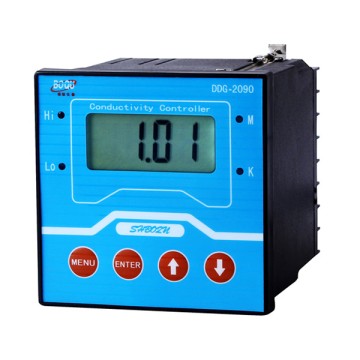 Conductivity Meter
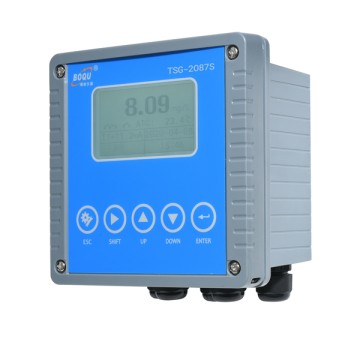 Industrial TSS Meter