Stringent Effluent Standards
Global regulatory bodies (US EPA NPDES, EU Water Framework Directive 91/271/EEC, China GB 18918) enforce narrow effluent discharge pH windows (6.5 to 8.5) under threat of severe operational penalties.
Chemical Dosage Economics
Real-time pH feedback loops eliminate the excessive over-dosing of costly caustic soda (NaOH), lime, or sulfuric acid (H2SO4), cutting chemical procurement operating costs by 22% to 35% annually.
Shift to Digital RS485 & IoT
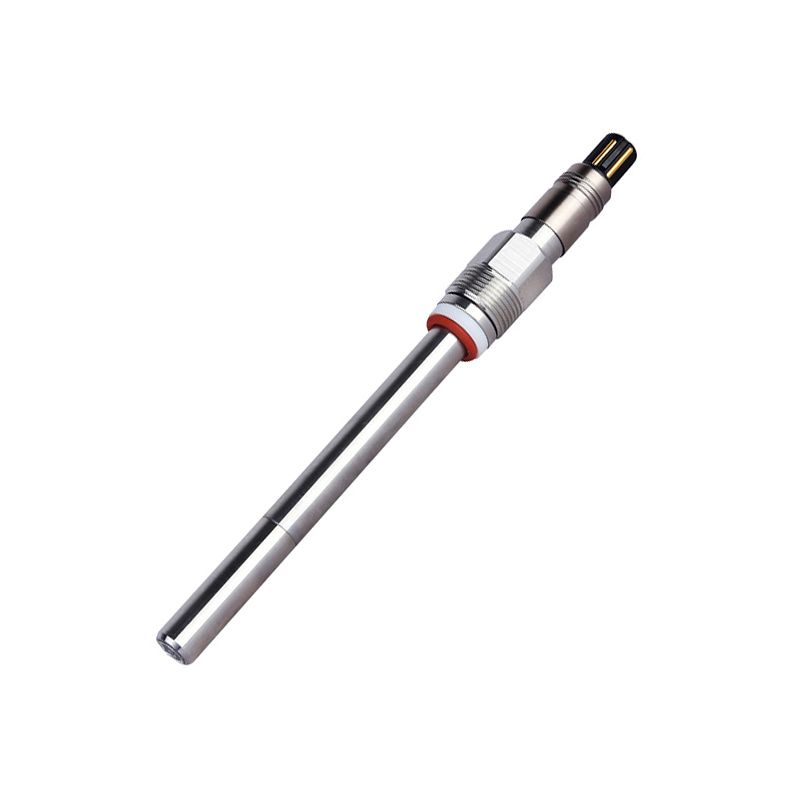
Legacy analog microvolt mV signals are rapidly yielding to intelligent digital sensors embedding RS485 Modbus-RTU protocols, on-sensor calibration storage, and predictive diagnostics for predictive asset management.
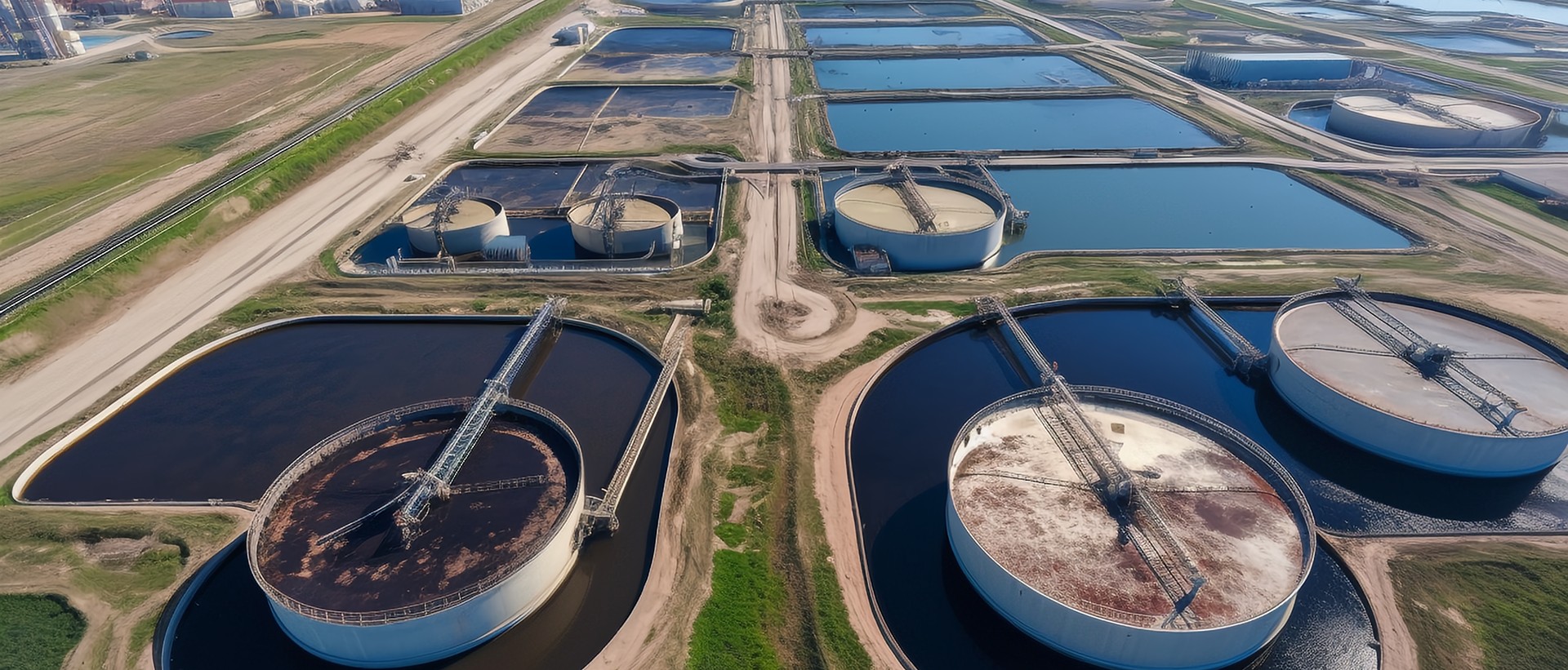
In municipal sewage treatment plants (STPs) and industrial wastewater treatment facilities (WWTFs), continuous monitoring of hydrogen ion activity—quantified as pH—is arguably the single most critical physicochemical measurement parameter. From the moment turbulent municipal sewage enters the primary screening channels through coagulation tanks, activated sludge aeration basins, anaerobic digesters, and tertiary ultraviolet/chlorine disinfection, pH defines the chemical equilibrium and biological metabolic activity of every treatment phase.
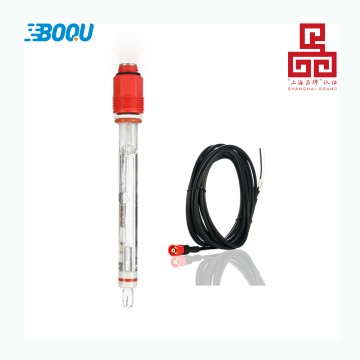
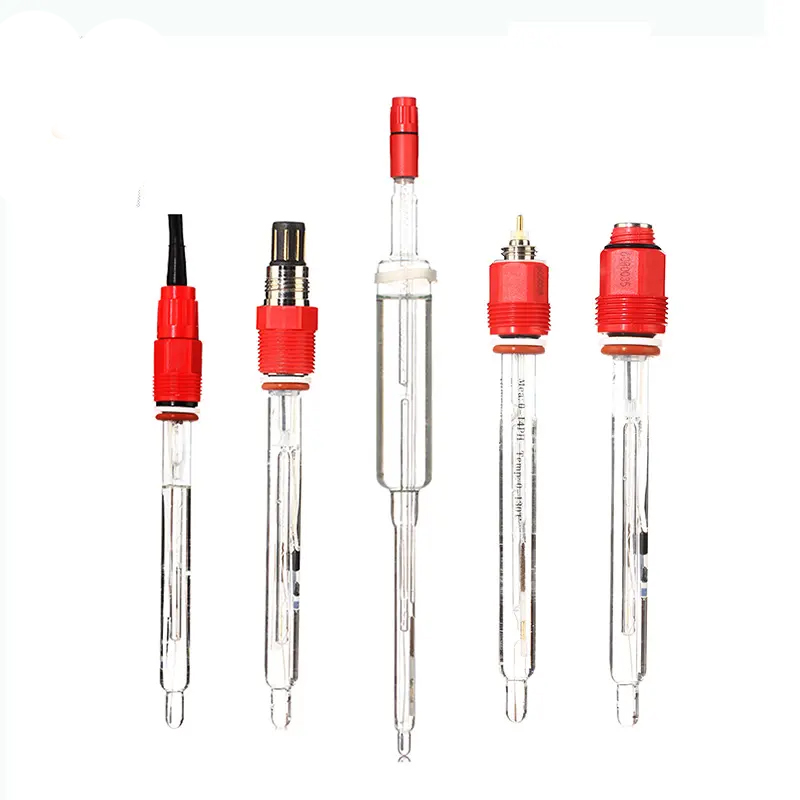
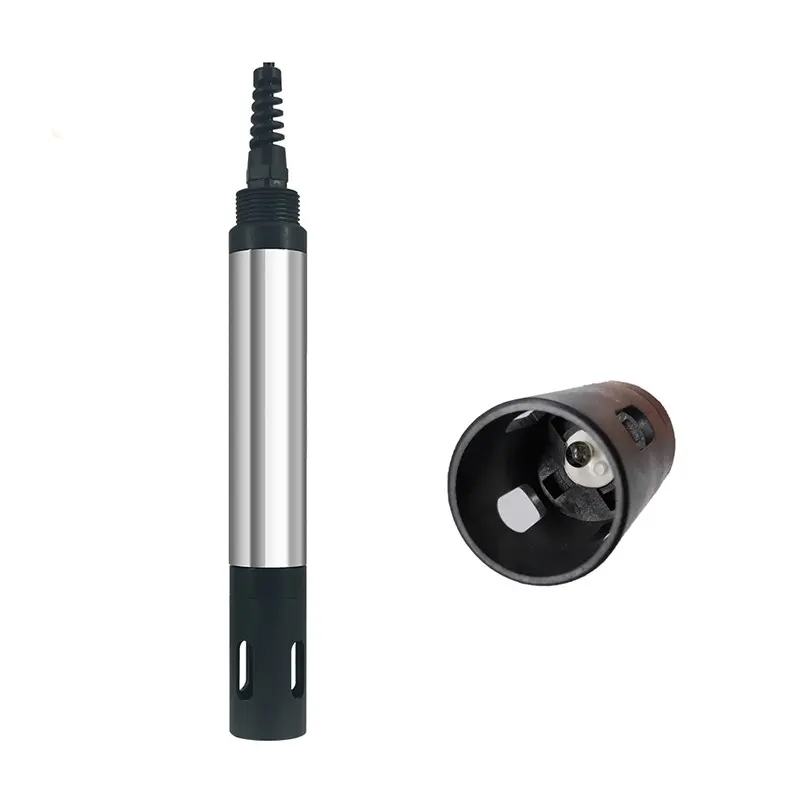
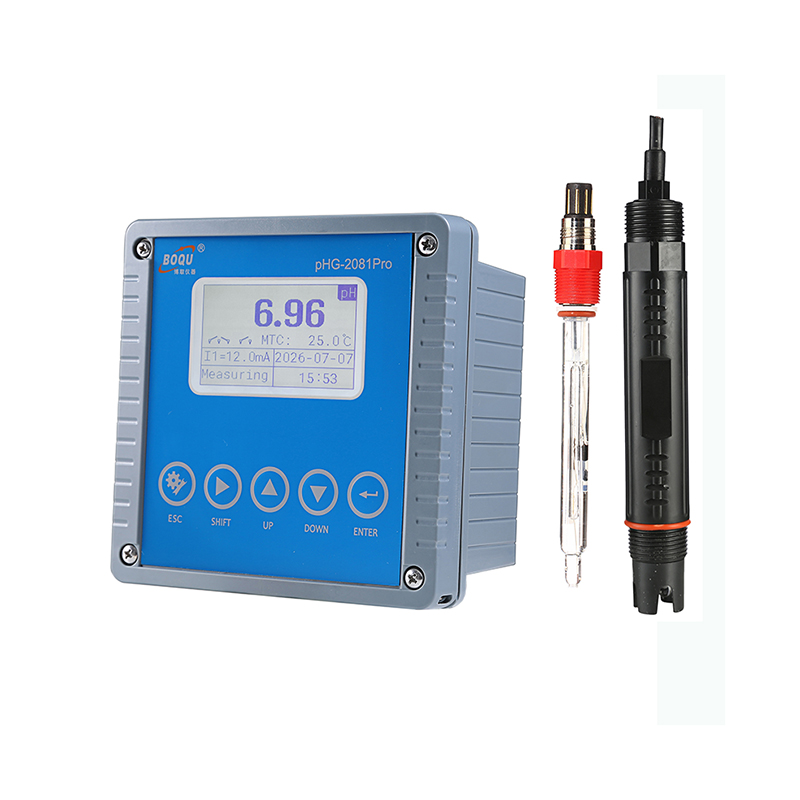
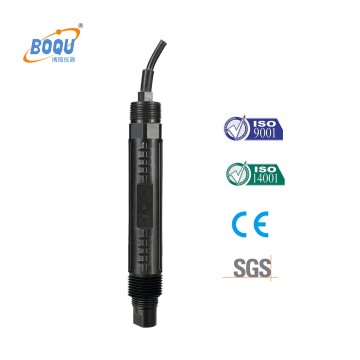
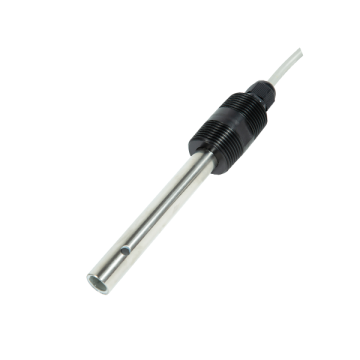
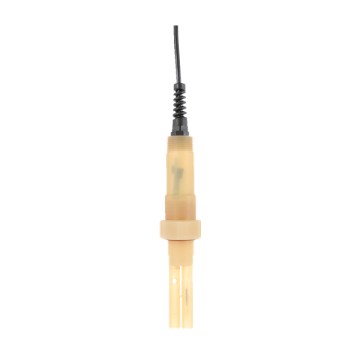
Historically, wastewater facilities relied on conventional laboratory glass electrodes retrofitted with immersion holders. However, the modern sewage treatment sector operates under unprecedented stressors: high chemical oxygen demand (COD), fluctuating heavy metal concentrations, volatile organic shock loads, grease and oil intrusion, and intense microbial slime formation. These environmental factors quickly poison traditional reference liquid electrolytes, clog porous ceramic diaphragms, and coat sensitive pH glass membranes with insulating biofilms. The contemporary industrial water sector therefore demands purpose-engineered industrial pH sensors incorporating pressurized gel or solid polymer references, specialized low-impedance glass formulations, non-clogging open or PTFE annular junctions, and automated cleaning mechanisms.