1. Brewery Operations: Mashing, Lautering, Fermentation, and Finishing
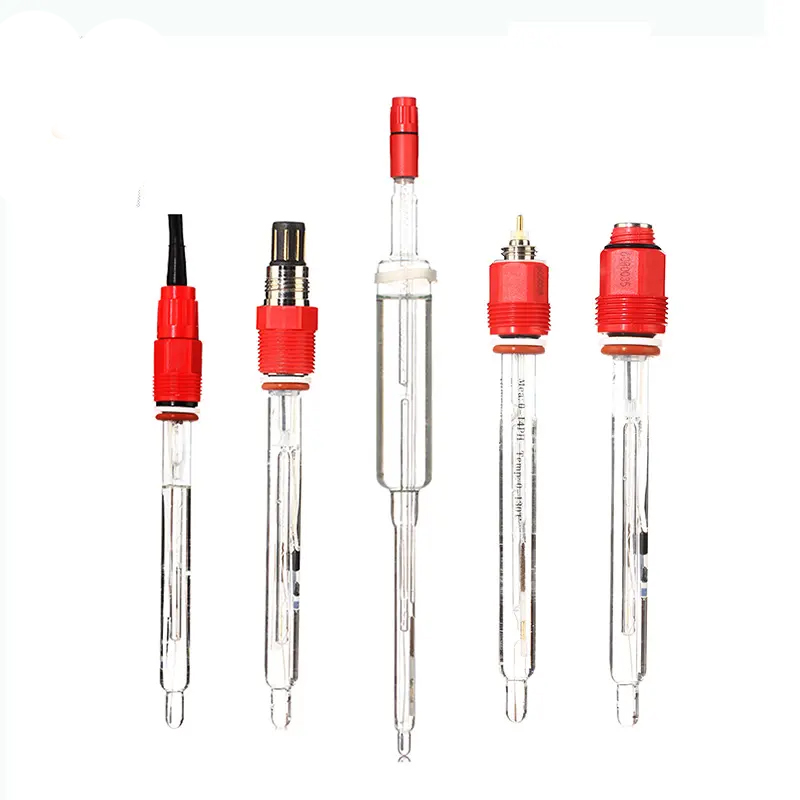
In brewing, pH acts as the primary governor of biochemical reactions. During the mashing phase, enzymatic breakdown of starches into fermentable sugars requires a rigidly controlled pH band of 5.2 to 5.6. If mash pH drifts higher, alpha-amylase and beta-amylase kinetics become asymmetric, resulting in poor extract yields, astringent polyphenol extraction from barley husks, and cloudy wort. Continuous in-line pH sensors installed in recirculation pipelines empower automated brewing systems to inject food-grade lactic or phosphoric acid dynamically.
Throughout primary fermentation, monitoring yeast acidification profiles serves as an early metabolic indicator of yeast vitality. A sluggish decline in pH signals stuck fermentation or microbial contamination by wild yeasts or lactic acid bacteria (e.g., Lactobacillus brevis). In finishing stages, ensuring beer packaged at pH 4.1 to 4.4 guarantees optimal colloidal haze stability, foam retention, and crisp carbonation sharpness.
2. Carbonated Soft Drinks (CSD) & Juice Processing: Brix-to-Acid Equilibrium
Carbonated soft drinks depend fundamentally on the synergistic balance between sugar concentration (Degrees Brix) and total titratable acidity, which is indexed by pH. In automated continuous blending systems, high-fructose corn syrup (HFCS) or sucrose syrup is blended with treated water, carbon dioxide, and buffer salts. In-line pH probes continuously govern the metering of acidifying agents (citric, malic, or phosphoric acid).
In fresh and reconstituted fruit juices, pH monitoring is a legally regulated critical control point (CCP) under HACCP guidelines. High-acid juices (pH < 4.5) allow milder thermal pasteurization regimes, preserving fresh volatile aromas and thermal-sensitive ascorbic acid (Vitamin C). If raw incoming fruit concentrates elevate the pH above 4.6, the sensor instantaneously triggers alarm protocols to adjust formulation or heighten thermal treatment, thwarting the vegetative germination of deadly spore-forming microorganisms.
3. Dairy & Plant-Based Milks: Protein Colloid Stability
Liquid dairy processing and rapidly expanding plant-based analogs (oat, almond, soy) present severe analytical challenges due to fat emulsions and complex suspended proteins. Casein proteins in bovine milk remain stably suspended only within a defined neutral pH zone (pH 6.6 to 6.8). Any localized acidification drops milk toward its isoelectric point (pH 4.6), causing irreversible curdling, heat exchanger fouling, and catastrophic tube blinding during Ultra-High Temperature (UHT) sterilization.
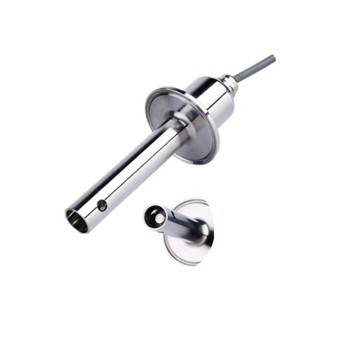
In cultured products such as drinkable yogurts and kefir, in-line sanitary pH probes pinpoint the exact end of fermentation, driving immediate cooling jackets to stop starter culture metabolism at the exact target acidity. Standard glass sensors frequently fail in these lines due to proteinaceous membrane blindness; specialized food-grade sensors equipped with polymer gel references and open diaphragm interfaces maintain uncompromised ionic continuity.
4. CIP (Clean-in-Place) & SIP (Sterilization-in-Place) Automation
Hygienic cleaning cycles in beverage lines involve rapid alternating exposure to hot water rinses, 2-4% caustic soda (sodium hydroxide) solutions at 85°C to dissolve organic residues, and acid washes (nitric or phosphoric acid) to descale inorganic mineral deposits. Using conventional timed CIP cycles wastes immense volumes of municipal water and neutralizing chemicals.
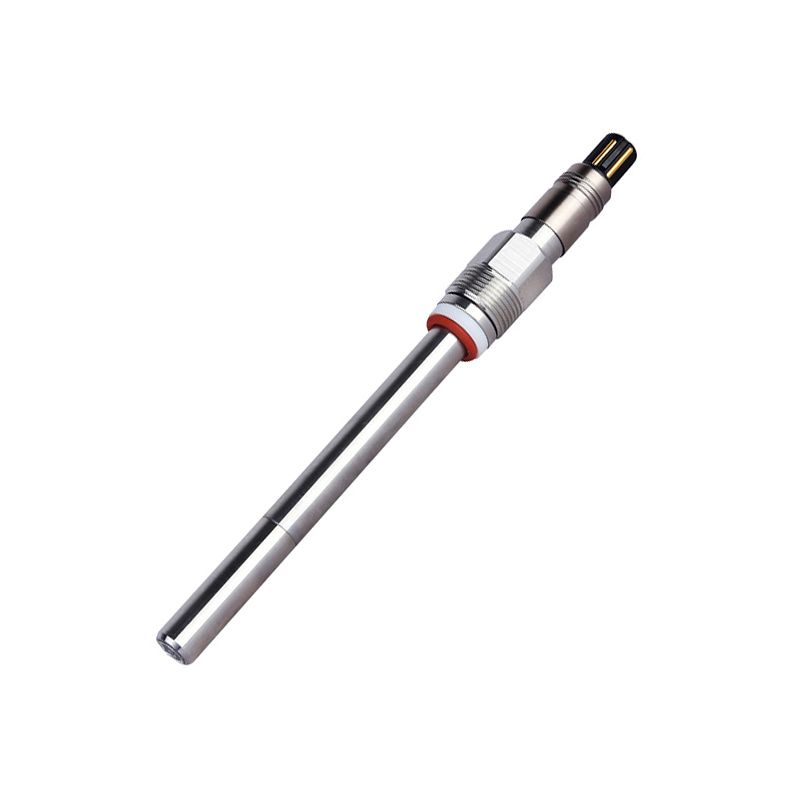
By embedding high-temperature, chemically resilient pH sensors directly into CIP return headers, plants transition to autonomous condition-based switching. The system accurately differentiates between caustic wash (pH > 12), acid rinse (pH < 2), and neutral final rinse water (pH 7.0), dramatically shrinking cycle times, curbing wastewater effluent surcharge fees, and ensuring verified allergen-free production switches.