Industrial Context & Market Dynamics
The Vital Role of Oil Water Sensors in Modern Beverage Production
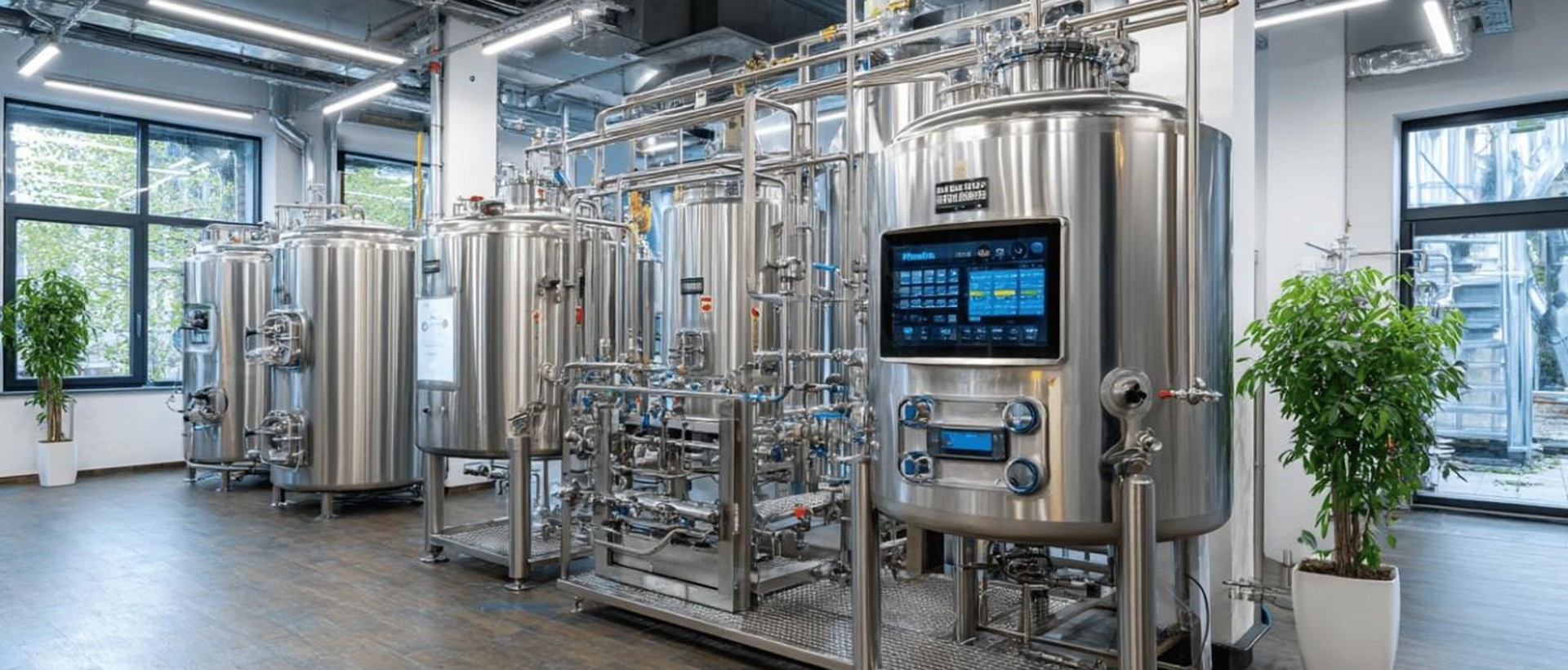
In modern industrial beverage manufacturing—spanning premium bottled mineral water, soft drinks, ready-to-drink (RTD) teas, craft and macro brewing, dairy formulations, and fruit juices—water is both the paramount primary ingredient and the primary utility vehicle. A typical commercial bottling facility utilizes between 1.5 to 4.5 liters of water for every liter of packaged beverage produced. Within these high-speed, hyper-sanitized environments, maintaining the zero-tolerance purity of ingredient water and process fluids is an absolute operational imperative. The accidental introduction of mineral hydrocarbons, synthetic lubricating oils, compressor seal fluids, or vegetable lipid cross-contaminants can trigger catastrophic product recalls, immediate loss of brand trust, irreparable destruction of beer foam heads or carbonation stability, and severe non-compliance penalties under FDA, EFSA, and HACCP hygiene directives.
Historically, beverage bottling facilities relied upon routine manual grab-sampling, laboratory-based liquid-liquid solvent extraction, or infrared spectroscopic benchtop testing to monitor hydrocarbon levels in utility streams, boiler loops, and wastewater discharge points. However, these conventional offline techniques suffer from inherent latency periods ranging from several hours to multiple days. In modern mega-breweries and aseptic bottling lines operating at filling speeds exceeding 60,000 to 100,000 bottles per hour, a delay of merely fifteen minutes in detecting an oil seal breach can spoil hundreds of thousands of liters of beverage, foul expensive reverse osmosis (RO) membrane arrays, and contaminate closed clean-in-place (CIP) loops. Consequently, the global beverage automation market is undergoing an aggressive transition toward continuous, real-time inline oil water sensors and multi-parameter digital analytical platforms.
Direct Impact on Beverage Quality and Foam Chemistry
Trace oil levels as minute as 0.1 to 0.5 ppm (parts per million) in brewing liquor can utterly destroy foam retention (head stability) by breaking the delicate protein-gas bubble matrix. In sparkling waters and carbonated sodas, microscopic droplets of oil act as uncontrolled cavitation nuclei, triggering explosive fobbing at filling valves, uneven carbonation, and discernible off-notes that permanently degrade sensory consumer experiences.
Technical Operating Principles: How Oil-in-Water Sensing Works in Beverage Processing
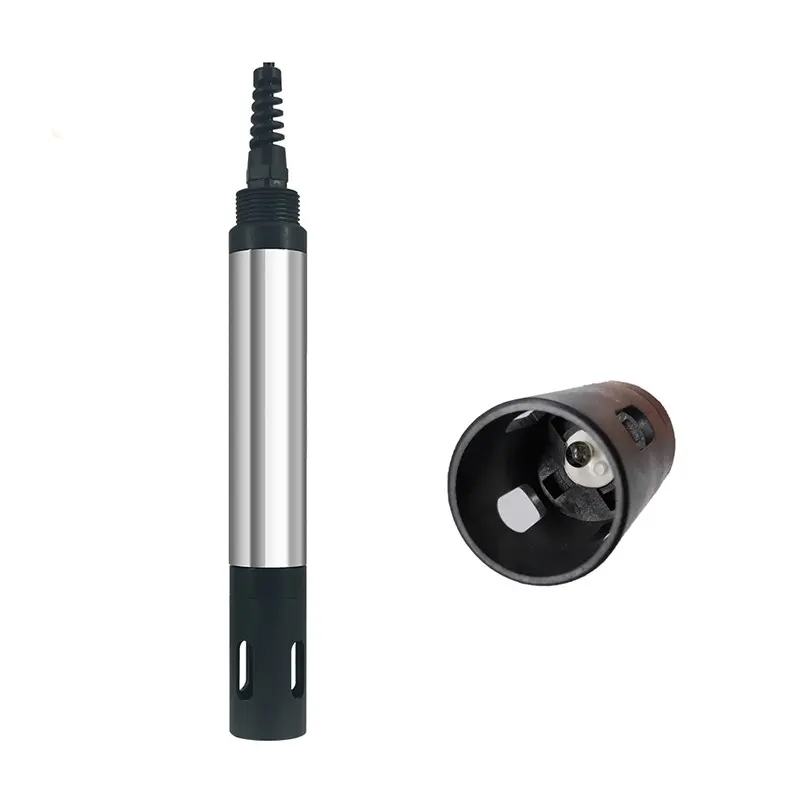
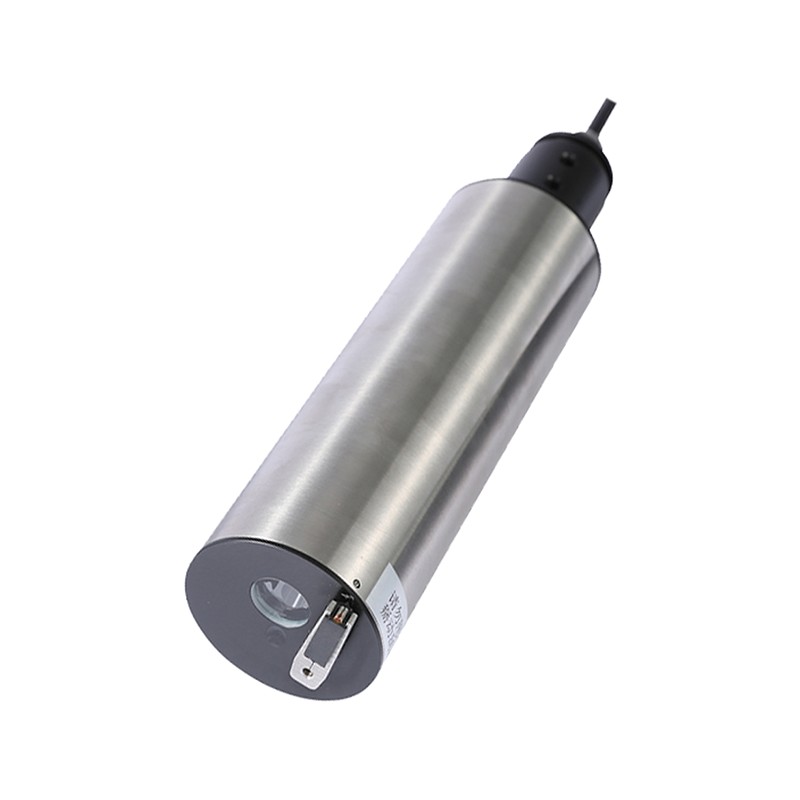
Monitoring oil in beverage water involves confronting complex fluid dynamics: oil does not merely float as a neat, stratified surface sheen; it exists in three distinct thermodynamic states within the pipe network: free floating oil, mechanically dispersed droplets (sub-micron emulsions generated by high-shear centrifugal pumps), and chemically dissolved hydrocarbons. Advanced oil-in-water sensor architectures engineered for food and beverage facilities utilize complementary physical measurement modalities to cover every contamination state:
1. Ultraviolet Fluorescence Spectrometry (UVF): Polycyclic aromatic hydrocarbons (PAHs) and synthetic lubricants with conjugated double bonds absorb ultraviolet photons at specific wavelengths (typically 254 nm to 365 nm) and instantly fluoresce at longer visible wavelengths (390 nm to 450 nm). Because water, inorganic salts, simple sugars, and beverage mineral additives do not fluoresce within this discrete excitation band, UVF sensors achieve extreme selectivity and sensitivity, pinpointing engine oils, compressor coolants, and mineral greases down to 1 ppb without interference from water turbidity.
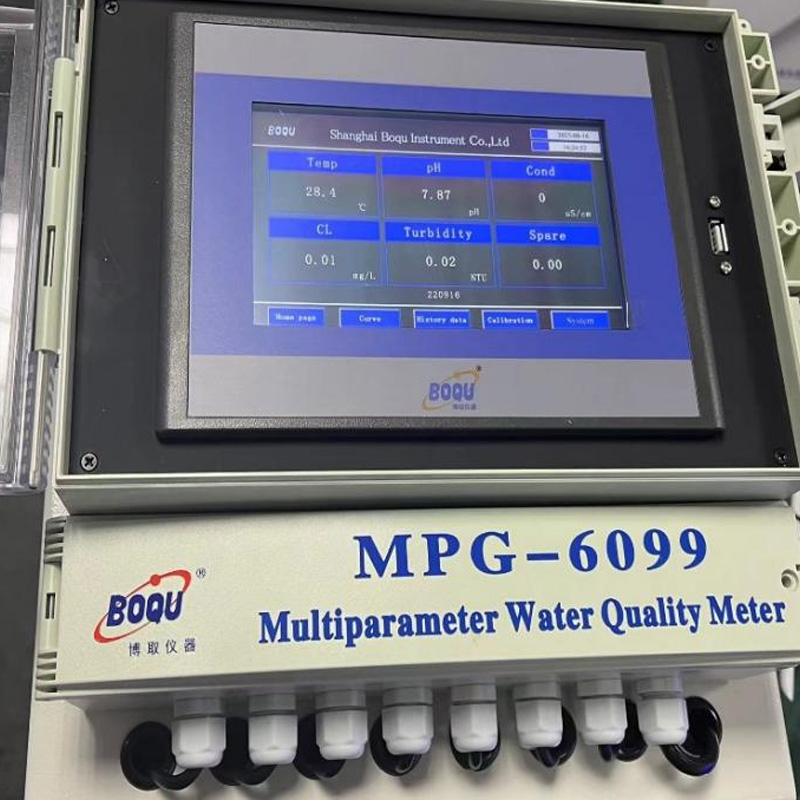
2. Multi-Angle Infrared Scattering & Turbidity Corroboration: For non-fluorescing vegetable oils, food-grade white mineral oils, and homogenized fat emulsions, high-frequency nephelometric scatter probes (operating at 860 nm according to ISO 7027) measure forward and 90-degree side scatter. When coupled with BOQU digital turbidity and suspended solids analyzers, the system reliably differentiates between discrete colloidal particulate matter and micro-emulsified hydrocarbon droplets.
3. High-Frequency Capacitance & Dielectric Constant Sensors: In heavy oil-water interface monitoring (such as wastewater equalization tanks, fat-oil-grease (FOG) skimming traps, or oil separator tanks), differences in dielectric permittivity between pure water (ε ≈ 80) and mineral/vegetable oils (ε ≈ 2 to 3) are exploited to continuously determine layer boundaries with millimeter resolution.
Deep-Dive Application Scenarios Across the Beverage Manufacturing Cycle
The strategic deployment of oil water sensors throughout the facility provides multi-tiered defense rings safeguarding product integrity, steam generation efficiency, water reuse metrics, and municipal environmental compliance:
1. Raw Municipal & Groundwater Intake Purification: Prior to granular activated carbon (GAC) filtration, water softening, and multi-stage reverse osmosis (RO), incoming feed water must be continuously screened for accidental hydrocarbon incursions caused by municipal pipeline failures or river basin surface runoff. A sudden oil spike coats expensive polyamide RO membranes within seconds, causing irreversible flux loss, membrane compaction, and multi-thousand-dollar replacement overheads. Fast-acting online oil-water sensors trigger automated divert valves, steering contaminated influent away from sensitive filtration trains.
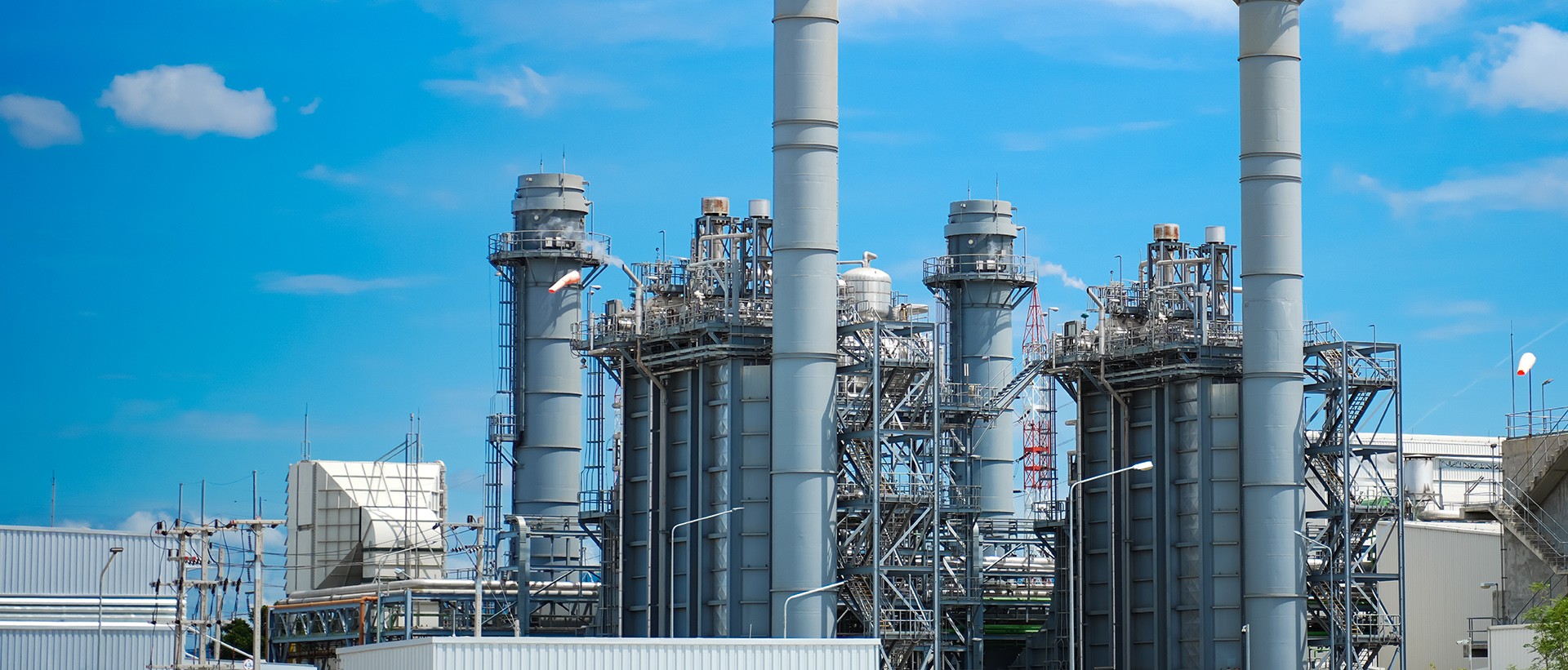
2. Culinary Steam Generation & High-Temperature Condensate Recovery: Beverage canning, bottle sterilization, pasteurization tunnels, and brew kettles rely on massive volumes of culinary steam. Modern energy conservation drives facilities to recover up to 85% of steam condensate back to the high-pressure boilers. However, heat exchanger pinhole ruptures, pump seal degradation, or lubricating oil leaks can allow oil into the condensate stream. If oil enters steam boilers, it insulates heat exchange tubes, leading to catastrophic blistering, thermal tube cracking, foaming, and steam carryover into direct beverage contact. BOQU high-temperature sensors and conductivity monitors provide uninterrupted vigil at 120°C+ condensate return points, unlocking substantial thermal energy recovery while guaranteeing 100% steam purity.
3. Clean-in-Place (CIP) Caustic/Acid Wash Optimization: Modern beverage CIP routines consume large quantities of hot water, sodium hydroxide, and nitric/peracetic acids to dissolve organic residues and biological films. Digital oil-water and conductivity sensors track the phase transition between rinse water and oily product push-outs, enabling precise separation of reusable clean rinse water from heavily contaminated first-flush wastes, cutting chemical expenditures by up to 30%.
4. Refrigeration Compressor Loops & Glycol Chiller Integrity: Fermentation tanks and carbonation cooling units depend on ammonia or freon compressor refrigeration systems interconnected with circulating chilled water or propylene glycol loops. Compressor oil leakage into closed cooling jackets rapidly fouls heat transfer efficiency and risks internal product cross-contamination in the event of vessel micro-fractures. Inline oil sensors installed in the circulating glycol/chilled water manifolds detect microscopic traces of escaped refrigeration oil long before chilling failure occurs.
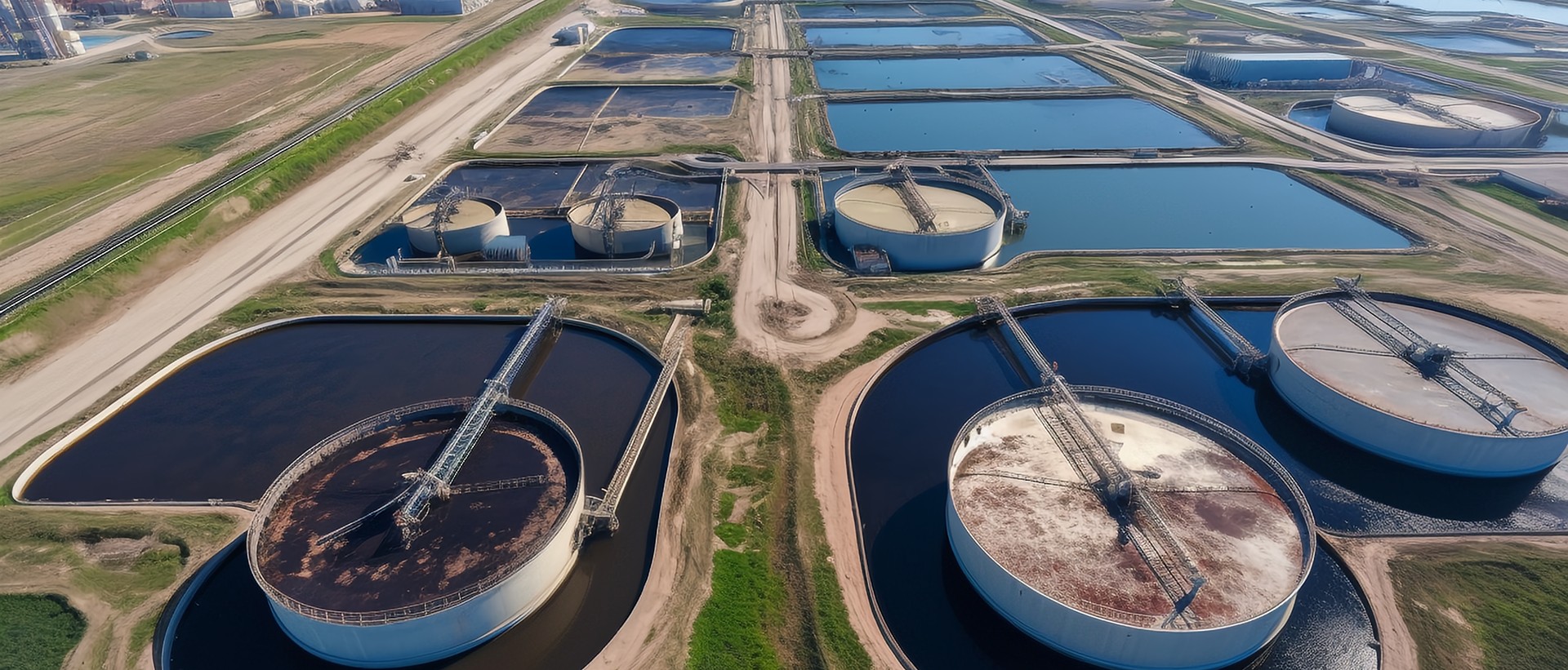
5. Trade Effluent Pretreatment & Wastewater Compliance: Beverage wastewater is characteristically rich in chemical oxygen demand (COD), biological oxygen demand (BOD), and suspended fats, oils, and grease (FOG). Environmental regulatory bodies enforce stringent oil discharge limits (frequently under 10 to 15 mg/L). Continuous online effluent analyzers prevent punitive municipal surcharge fines and safeguard biological aeration basins from toxic shock loads.
Commercial Status, Regulatory Pressures, and Future AI Technology Trends
The global industrial beverage market is accelerating toward ESG (Environmental, Social, and Governance) targets, Net-Zero water goals, and Water Circularity initiatives. Water-stressed manufacturing hubs are mandating Zero Liquid Discharge (ZLD) architectures, where every drop of process wastewater is treated through membrane bioreactors (MBR) and high-recovery RO for re-use in evaporative cooling towers, boiler feed loops, and external crate washing. Within closed-loop water circularity, real-time oil-in-water detection serves as the ultimate fail-safe guardian, preventing cross-contamination between biological waste outputs and high-value utility loops.
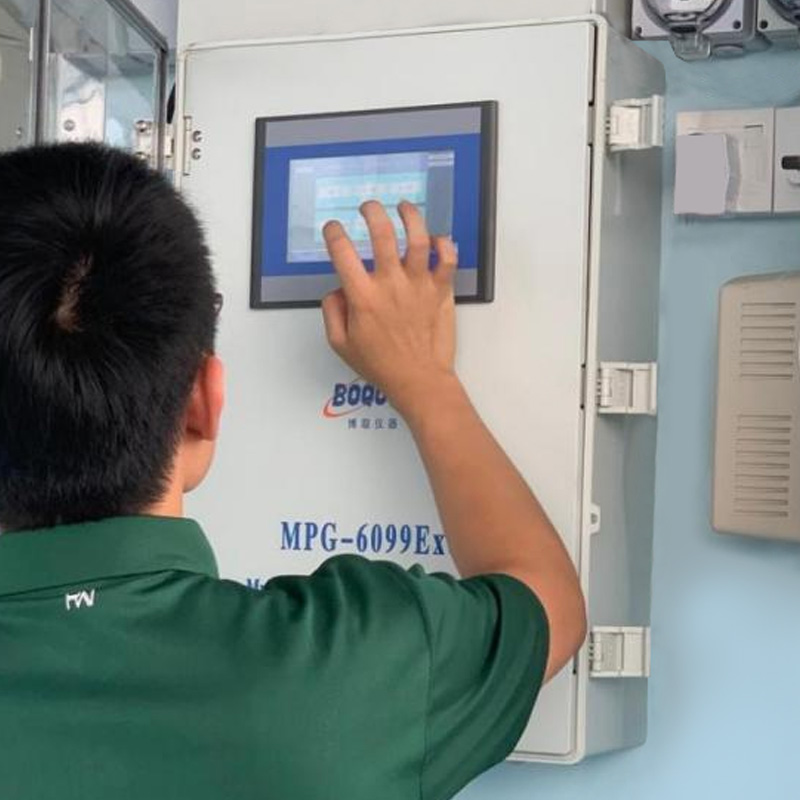
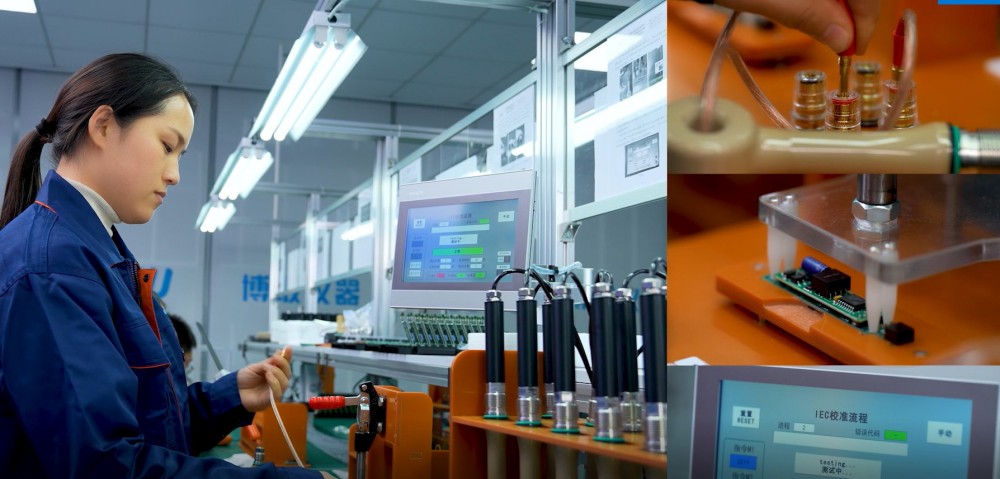
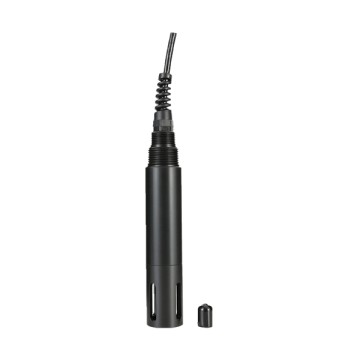
Looking ahead, the convergence of Artificial Intelligence of Things (AIoT) and smart multi-spectral analytical sensing is reshaping sensor hardware. Next-generation sensors manufactured by Shanghai BOQU Instrument integrate edge-computing microcontrollers that run spectral signature recognition algorithms. These AI algorithms dynamically differentiate between harmless non-petroleum organic flavoring esters (such as citrus terpenes or hop essential oils) and hazardous synthetic mineral lubricants, drastically eliminating false alarm trips that traditionally plague beverage quality control teams. Furthermore, self-diagnostic smart probes monitor optical window transmission attenuation in real time, automatically notifying technicians when preventative ultrasonic cleaning or wiping is required before analytical measurement drift can materialize.