Leave Your Message
Municipal Water Technology & Process Monitoring

Dissolved Oxygen Measuring For Drinking Water Safety

Precision electrochemical and optical sensing methodologies engineered to protect source intake reservoirs, optimize biological filtration, prevent pipeline corrosion, and secure public municipal supply integrity.

Flagship Instrumentation

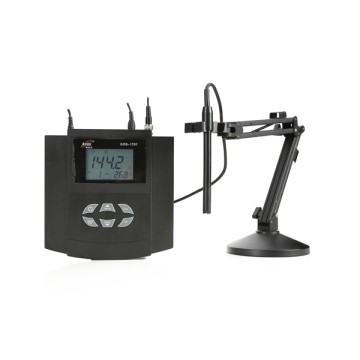
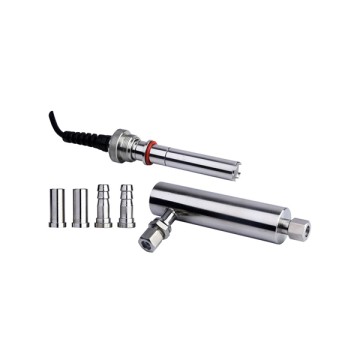
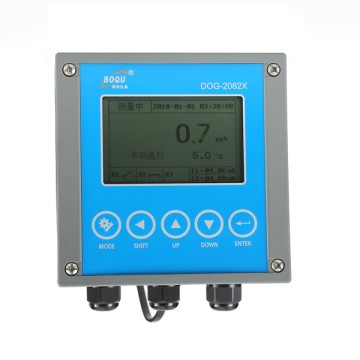
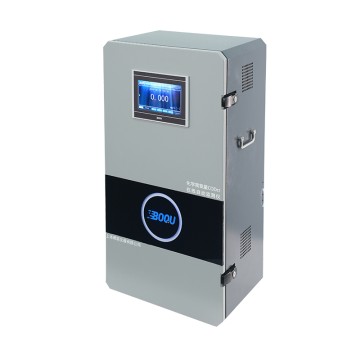
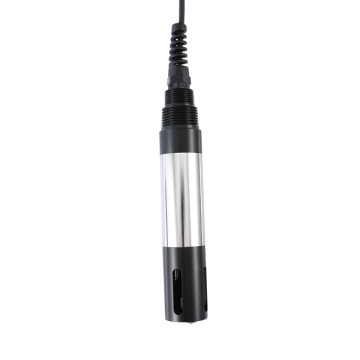
Specialized Dissolved Oxygen Systems For Drinking Water Facilities

Deploying digital communication protocols, drift-free optical luminescent membranes, and robust submersibles to ensure uncompromised water purity validation.

The Crucial Role of Dissolved Oxygen Measuring for Drinking Water Safety

Dissolved Oxygen (DO) constitutes one of the most vital yet frequently misunderstood indicators in drinking water treatment, transmission, and finished water security. While consumers typically recognize dissolved oxygen in aquatic biological ecosystems, its precise quantification within potable water manufacturing serves as a dynamic barometer for chemical stability, biological filtration performance, and distribution network longevity.

In contemporary drinking water treatment facilities (WTPs), measuring dissolved oxygen provides early detection of raw surface water turnover, stratification shifts in pre-treatment reservoirs, and the unwanted proliferation of harmful anaerobic microbes. When raw water suffers from oxygen depletion (hypoxia or anoxia), reduced elements such as soluble iron (Fe²⁺), manganese (Mn²⁺), hydrogen sulfide (H₂S), and ammonia (NH₃) mobilize from lakebed sediments into the water column. Continuous, high-precision DO measurement allows plant operators to adjust aeration rates, dose chemical oxidants stoichiometrically, and prevent foul tastes, odors, and discolored tap water long before water enters the primary disinfection train.

01

Raw Source Anoxia Warning

Real-time continuous measurement identifies seasonal thermocline turnover in municipal reservoirs, shielding treatment stages from abrupt spikes of iron, manganese, and geosmin.

02

Ozone & Biofiltration Balancing

Controls microbial biomass activity in Biological Activated Carbon (BAC) reactors, preventing anoxic sloughing while maintaining ideal nutrient conversion.

03

Corrosion Mitigation Engineering

Balancing DO concentrations avoids the accelerated oxidative corrosion of metallic water mains while eradicating anaerobic environments that foster Sulfate-Reducing Bacteria (SRB).

Industrial Dynamics: Evolution from Galvanic Cells to Intelligent Optical DO Sensors

Historically, drinking water facilities depended on the traditional Winkler titration or traditional polarographic/galvanic Clark cell sensors. While accurate in steady-state laboratory conditions, electrochemical sensors require routine electrolyte replenishment, frequent calibration, mechanical flow conditioning, and membrane replacement due to chemical fouling.

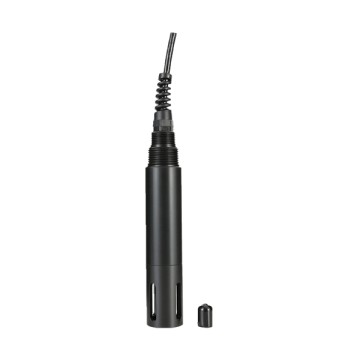
The global municipal water sector is increasingly transitioning to luminescent optical dissolved oxygen sensors. These advanced digital probes operate based on dynamic fluorescence quenching: ruthenium or platinum complexes embedded in an oxygen-permeable sensing layer emit luminescent light when excited by blue LEDs. As oxygen molecules collide with the fluorophore, energy transfer quenches the emission lifetime, which is precisely measured by a phase detector. Optical DO sensors do not consume oxygen during measurement, maintain exceptional drift stability down to sub-ppb regimes, and eliminate the requirement for constant water velocity past the membrane, making them ideal for quiescent distribution pipelines, contact basins, and remote storage reservoirs.

Depth Application Profiles in Potable Water Treatment

1. Advanced Biofiltration and Biologically Active Carbon (BAC) Filters

Modern drinking water purification plants utilize ozonation followed by BAC contactors to eliminate trace pharmaceuticals, endocrine disruptors, and disinfection byproduct precursors (natural organic matter). Microorganisms colonizing the granular activated carbon matrix rely on an aerobic environment to mineralize dissolved organic carbon (DOC) and oxidize ammonia to nitrate. In-line DO sensors positioned at filter inlets and effluences deliver immediate insight into microbial respiratory rates. A sudden drop in differential DO warns of organic overloading or excessive head loss, ensuring water engineers prevent filter breakthrough and maintain pristine quality standards.

2. Distribution Mains, Water Ages, and Biofilm Management

Finished potable water entering municipal transmission lines must maintain a stable dissolved oxygen equilibrium. Low dissolved oxygen combined with prolonged water detention age creates ideal conditions for the resurgence of opportunistic pathogens and Sulfate-Reducing Bacteria (SRB), which induce microbially influenced corrosion (MIC), pinhole pipe leaks, and water discoloration. Conversely, hyper-saturated DO levels exacerbate galvanic oxidation in ductile iron and mild steel pipelines. Real-time online multi-parameter nodes integrating DO, pH, and residual chlorine monitoring enable distribution operators to flush strategic dead-ends, control booster chlorination, and maintain water freshness throughout the municipal grid.

3. Desalination and Post-Treatment Remineralization

Sea Water Reverse Osmosis (SWRO) facilities strip virtually all natural gases, salts, and buffering capacity during high-pressure membrane separation. Permeate water is typically devoid of oxygen, flat in taste, and highly corrosive to downstream infrastructure. Continuous dissolved oxygen analyzers monitor decarbonation and cascading aeration towers, ensuring that finished remineralized potable water achieves balanced gas equilibrium and pleasant organoleptic properties before municipal delivery.

Global Market Drivers and AI-Driven Smart Water Compliance

Across North America, Europe, and Asia-Pacific, stringent environmental frameworks—including the US EPA Safe Drinking Water Act (SDWA), the European Union Drinking Water Directive (EU 2020/2184), and China's GB 5749-2022 standards—are compelling water service utilities to abandon manual batch sampling in favor of IoT-connected, continuous analytical telemetry. Modern digital DO instrumentation interfaces seamlessly with supervisory control and data acquisition (SCADA) platforms via Modbus RS485 and wireless LoRaWAN/NB-IoT channels. These integrated networks feed real-time water data into cloud-based AI algorithms to predict disinfectant decay kinetics, model residual chlorine interactions, and optimize energy expenditures in raw water aerators, realizing true Smart Water utility operations.
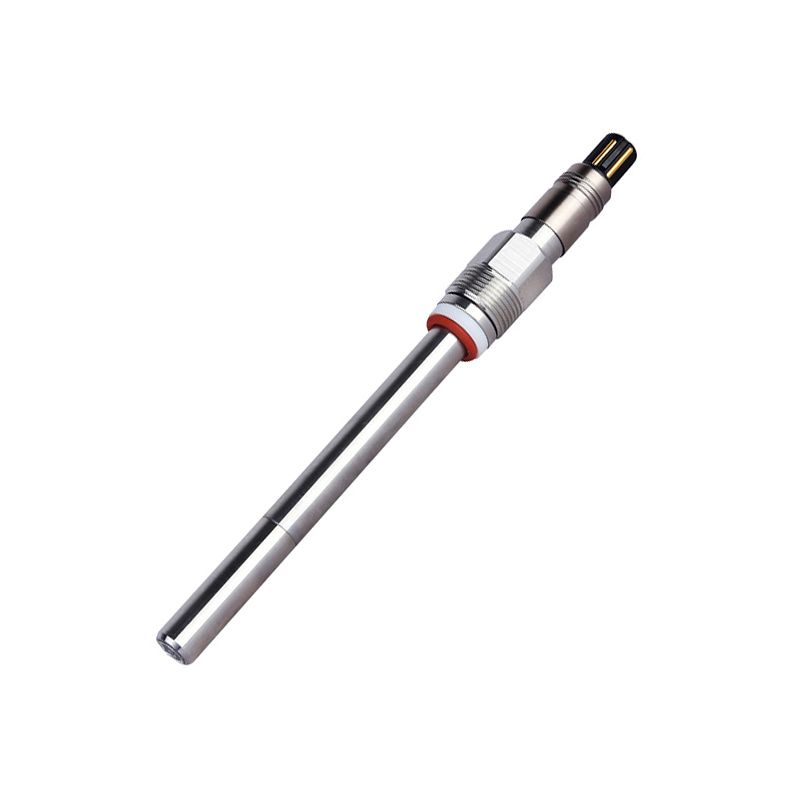
Water Analysis Instruments

Hot Products for Potable Water & Industrial Process Analysis

BOQU water quality analyzer is strictly manufactured according to ISO9001 & ISO14001 standards from R&D to the finished instruments. It has CE, SGS, FDA, CEP and other certificates.

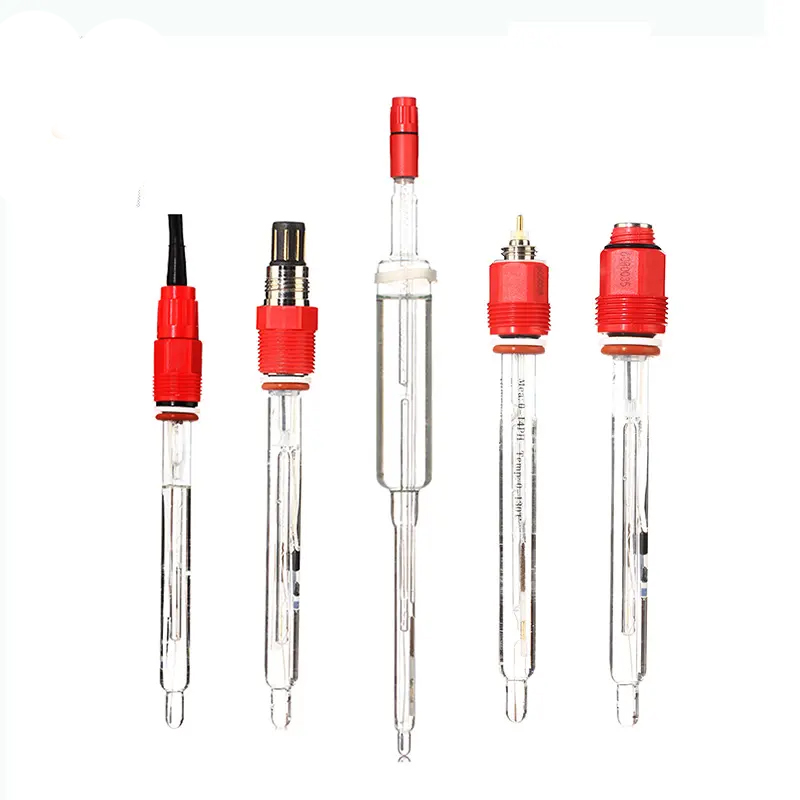
pH5806 High Temperature pH Sensor

pH5806 High Temperature pH Sensor

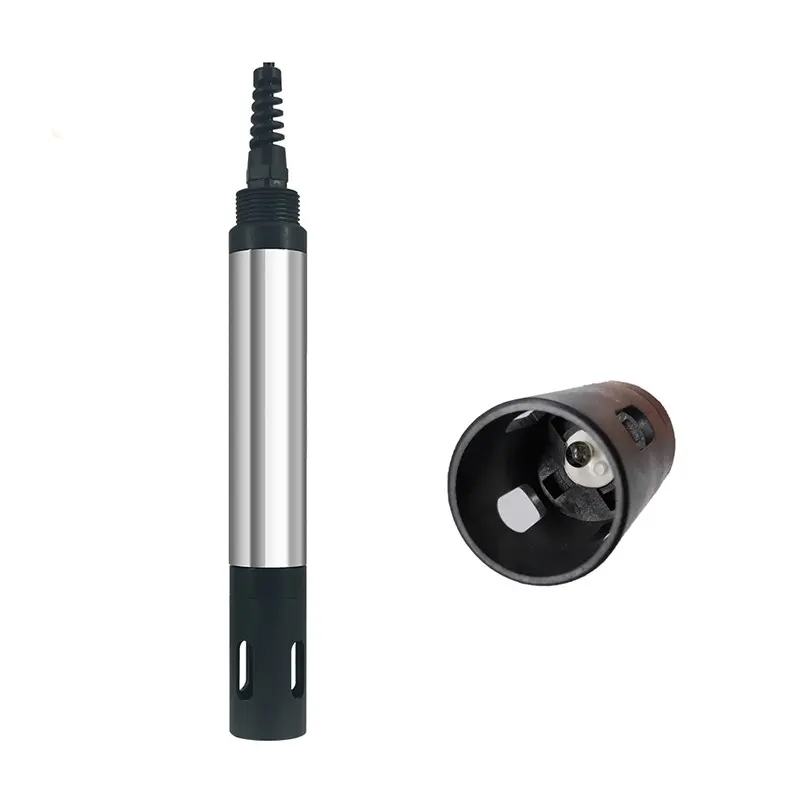
2 DOG-208FA High Temperature DO Sensor

DOG-208FA High Temperature DO Sensor

IOT-485-pH Digital Online pH Sensor

IOT-485-pH Digital Online pH Sensor

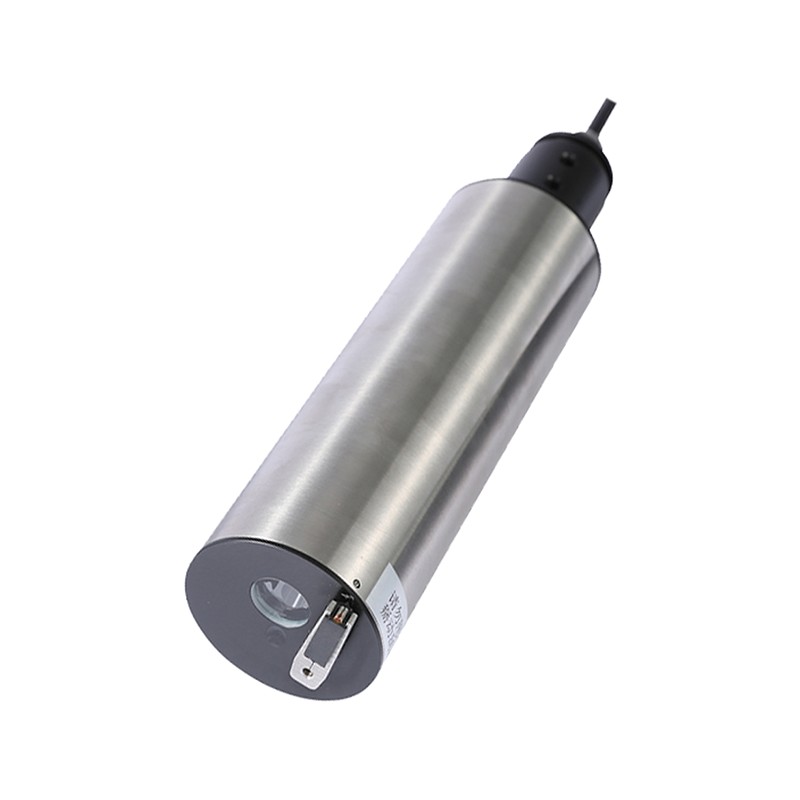
ZDYG-2088-01QX Online Turbidity Sensor

ZDYG-2088-01QX Online Turbidity Sensor

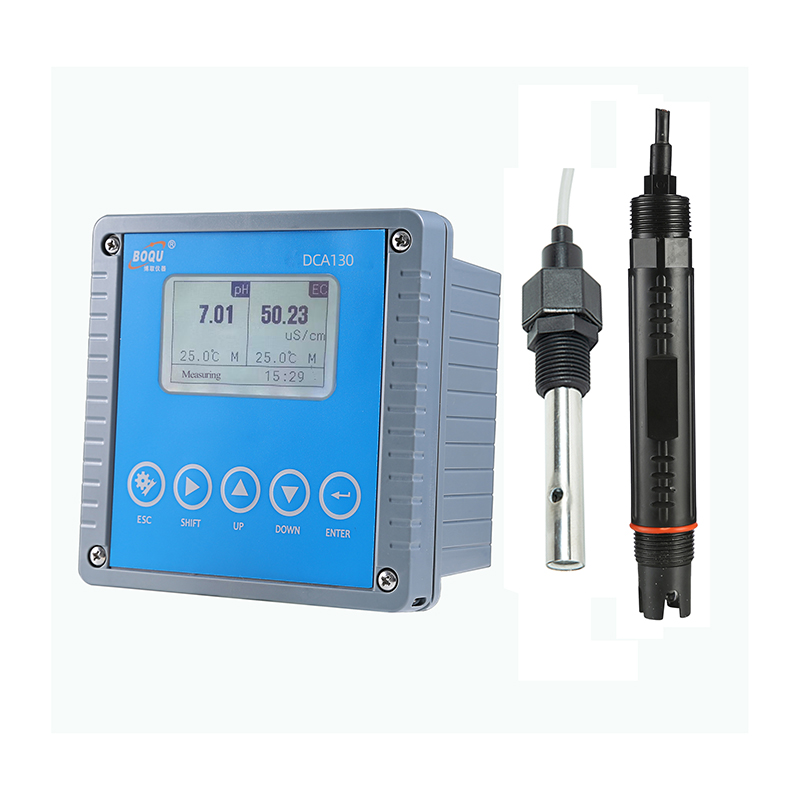
DCA130 Online pH and EC Dual Channel Analyzer

DCA130 Online pH&EC Dual Channel Analyzer

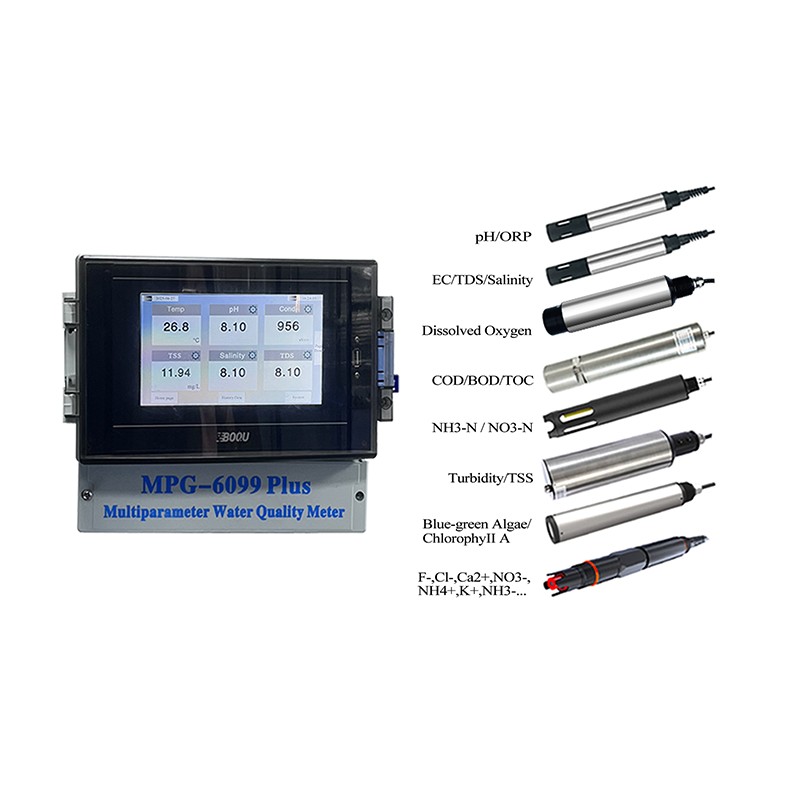
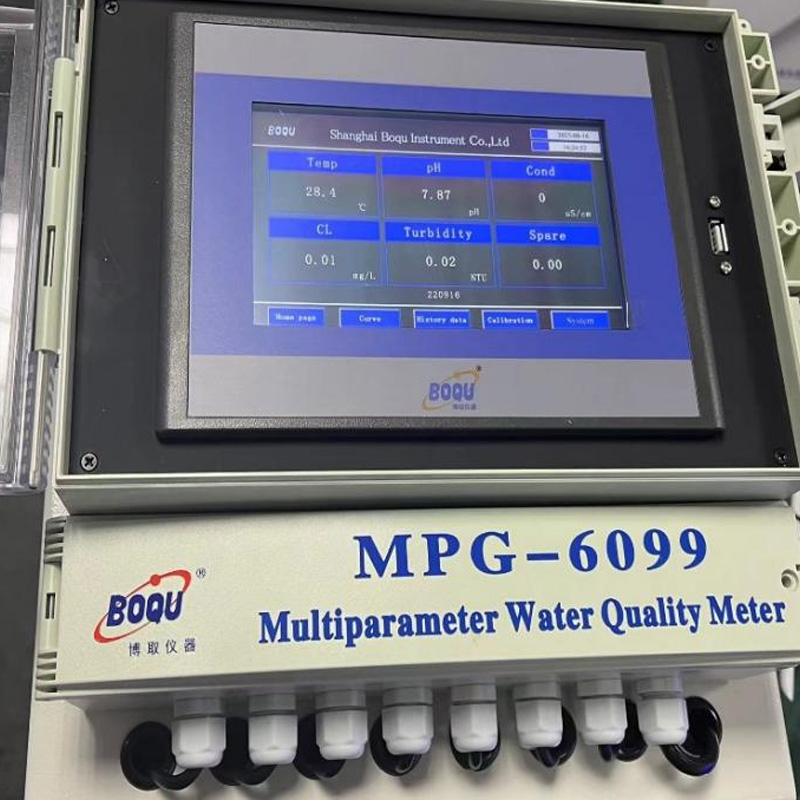
MPG-6099Plus Multi-parameter Water Quality Analyzer

MPG-6099Plus Multi-parameter Water Quality Analyzer

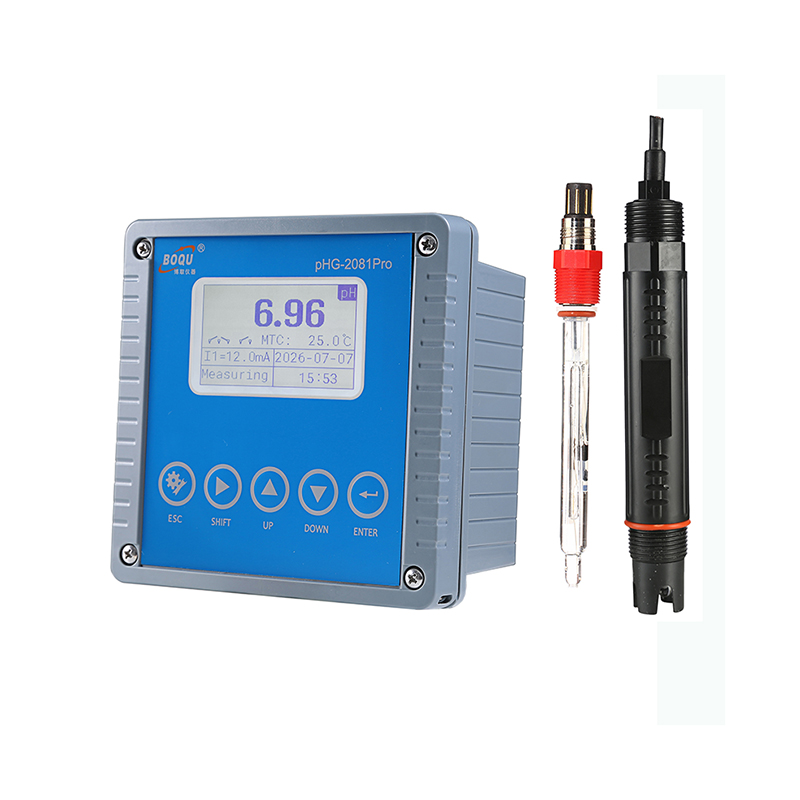
pHG-2081Pro Online pH Analyzer

pHG-2081Pro Online pH Analyzer

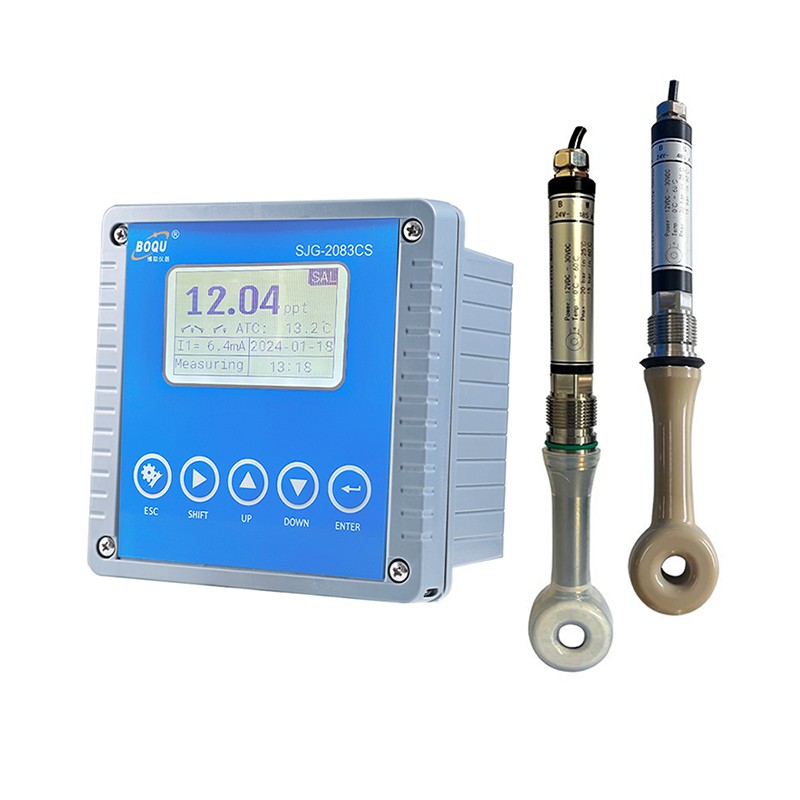
SJG-2083CS Online Acid and Alkali Concentration Meter

SJG-2083CS Online Acid and Alkali Concentration Meter

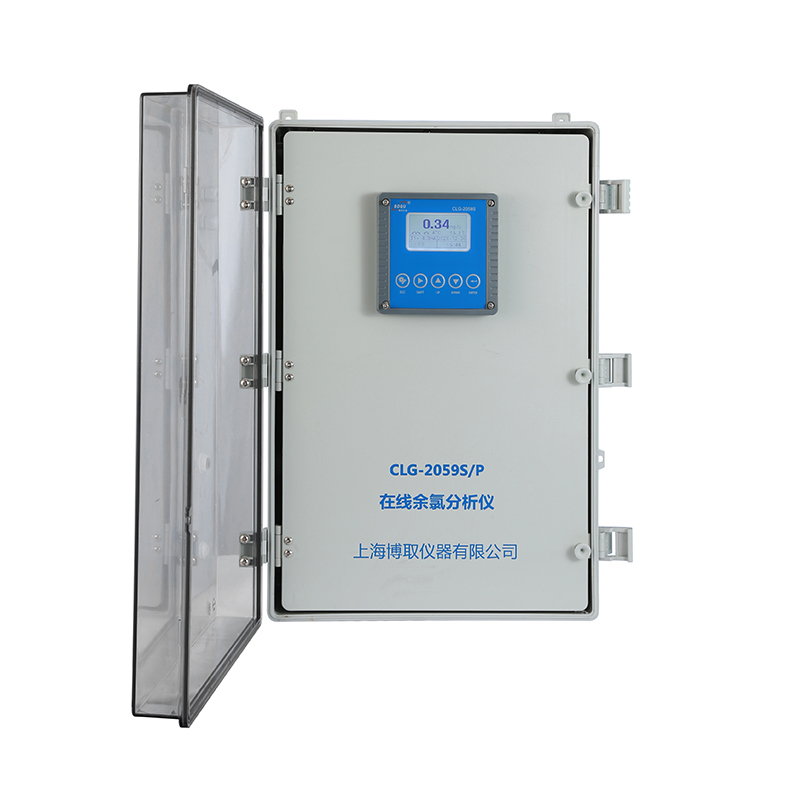
Online Residual Chlorine Analyzer

Online Residual Chlorine Analyzer

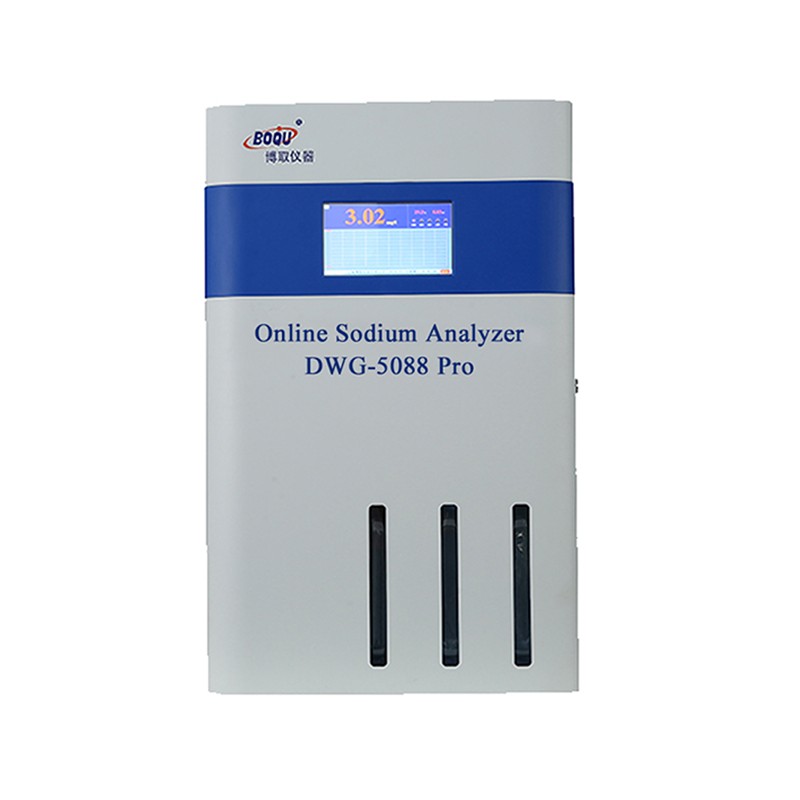
Online Silicate Phosphate Sodium Hydrazine Analyzer

Online Silicate/ Phosphate/ Sodium/ Hydrazine Analyzer

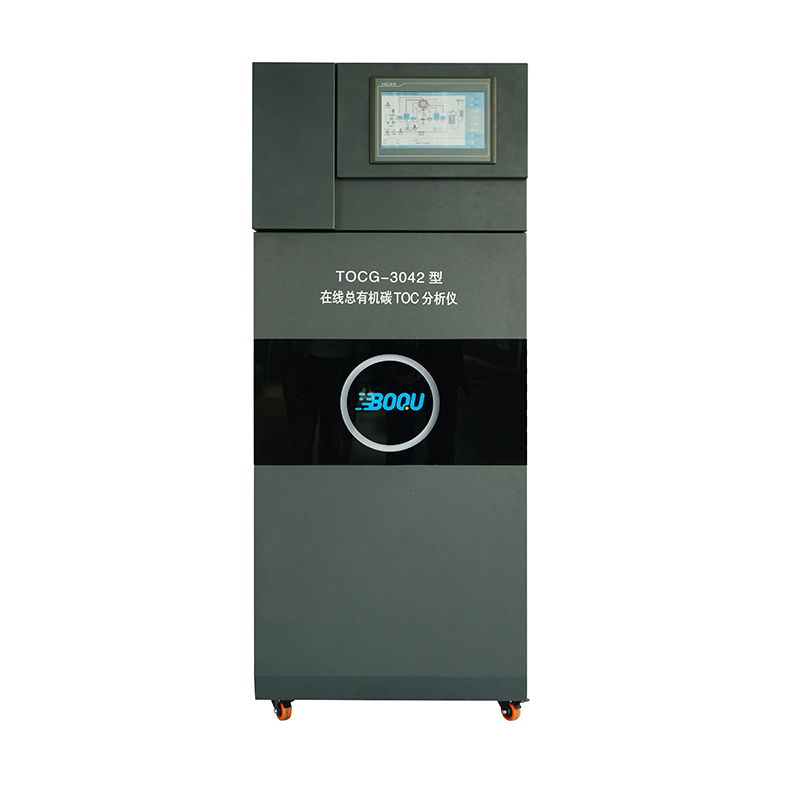
TOC-3042 Online TOC Analyzer

TOC-3042 Online TOC Analyzer

Online Water Quality Analyzer for Heavy Metals and Nutrients

Online COD, TP, TN, NH3-N, NO3-N, Iron, Heavy Metal Analyzer

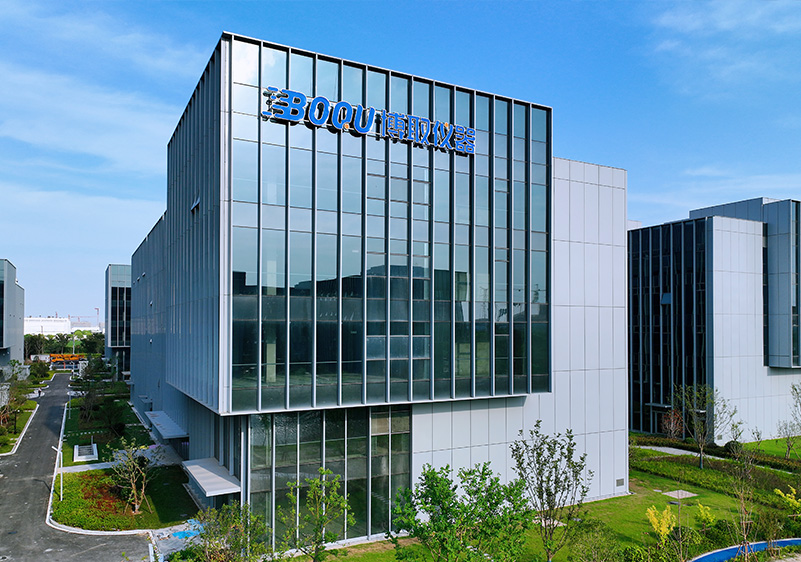
Shanghai BOQU Instrument Headquarters
Play BOQU Corporate Video
Introduction

Shanghai Boqu Instrument Co., LTD

Founded in 2007, Shanghai BOQU Instrument Co., Ltd. is a professional China manufacturer specializing in water quality analyzers, water sensors, and online water quality monitoring solutions. Located in Kangqiao Town, Pudong New Area, Shanghai, BOQU integrates research and development, manufacturing, sales, and technical support, providing customers worldwide with reliable and cost-effective water analysis instruments.
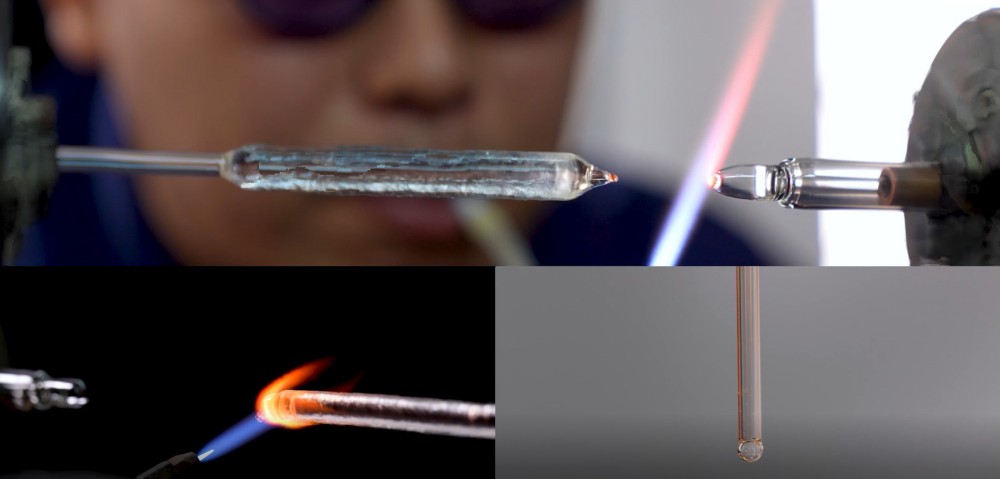
  • 4632m²

    Floorspace

  • 200+

    Employees

  • 100000pcs

    Annual Production

  • 100+

    Global Regions

Applications

Industry Applications

Across industries, water quality monitoring plays a vital role in both production processes and wastewater management. Accurate and reliable water quality measurement helps ensure process stability, improve product quality, enhance operational efficiency, and maintain production safety.

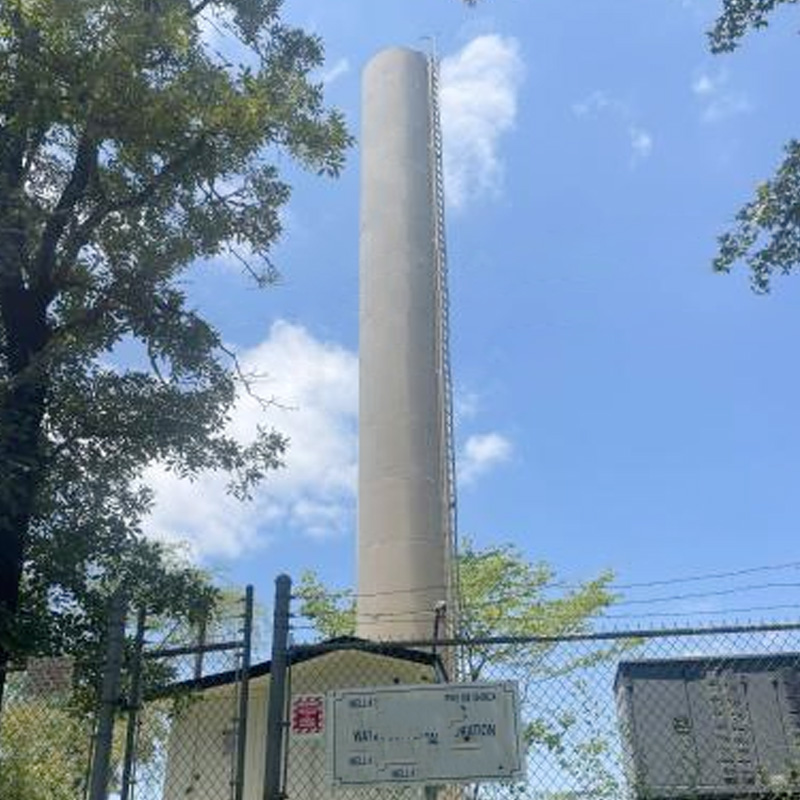
Drinking Water Plant Dissolved Oxygen Safety Monitoring

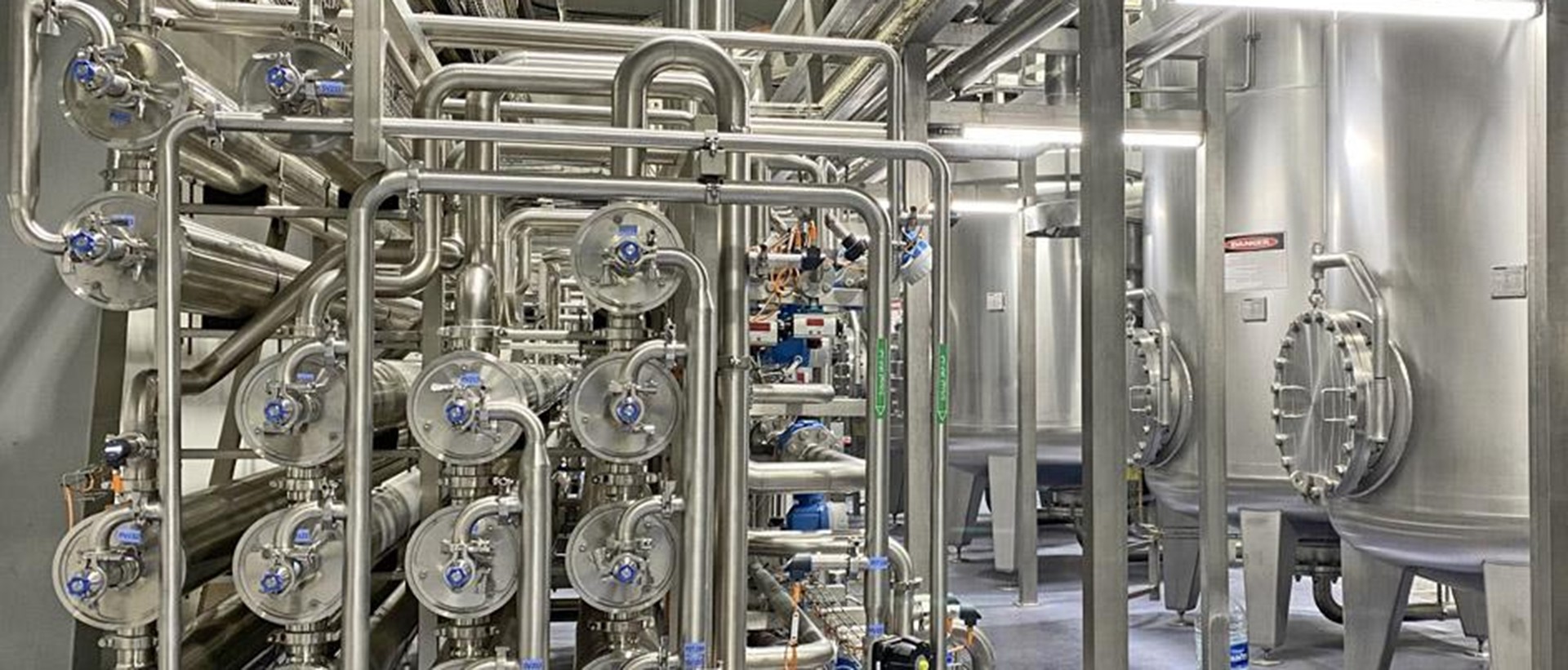
Drinking Water Plant

Drinking water quality monitoring is of paramount significance. It acts as a robust shield, safeguarding public health by promptly detecting contaminants and ensuring access to safe, clean water supplies.

View More →
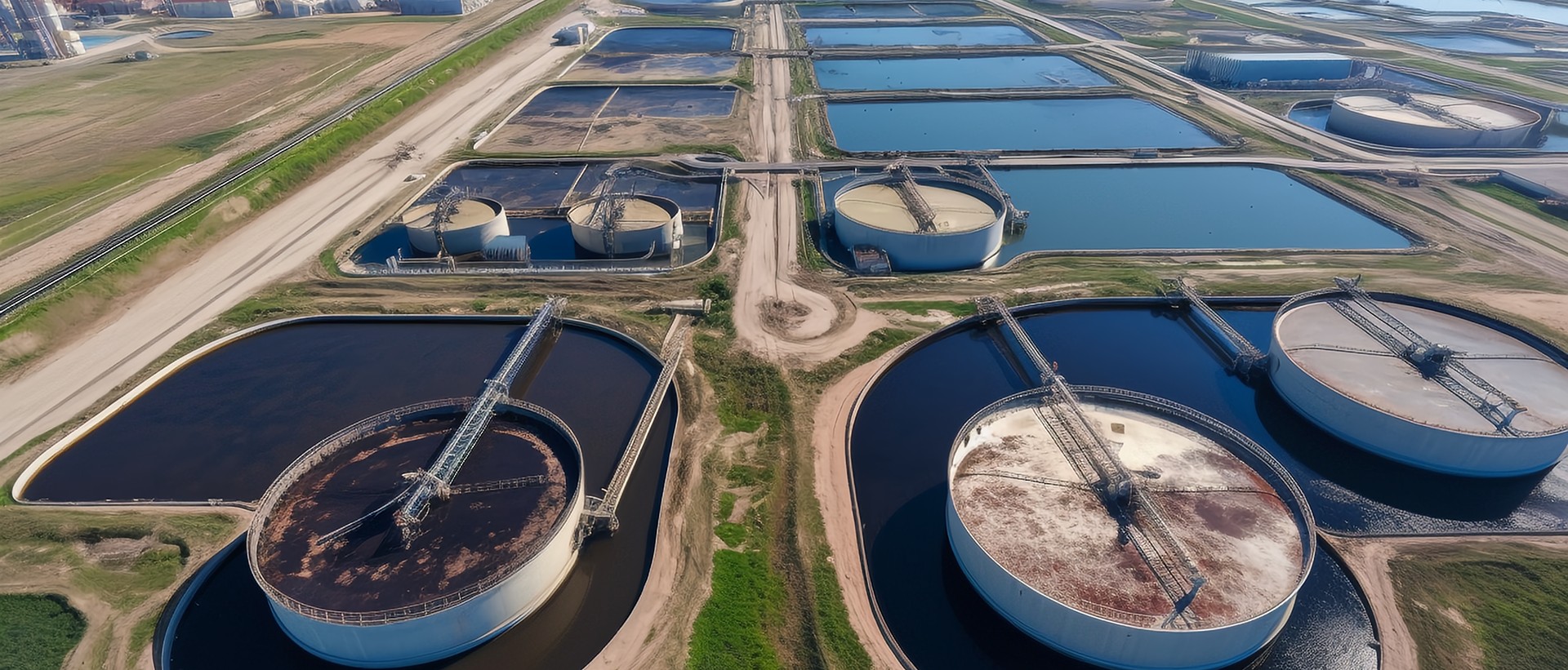
Industrial Wastewater Treatment Monitoring

Industrial Waste Water Treatment

Industrial wastewater monitoring and testing parameters: pH, COD, BOD, oil & grease, Turbidity, ammonia nitrogen, color, heavy metals, total phosphorus, and fluorides.

View More →
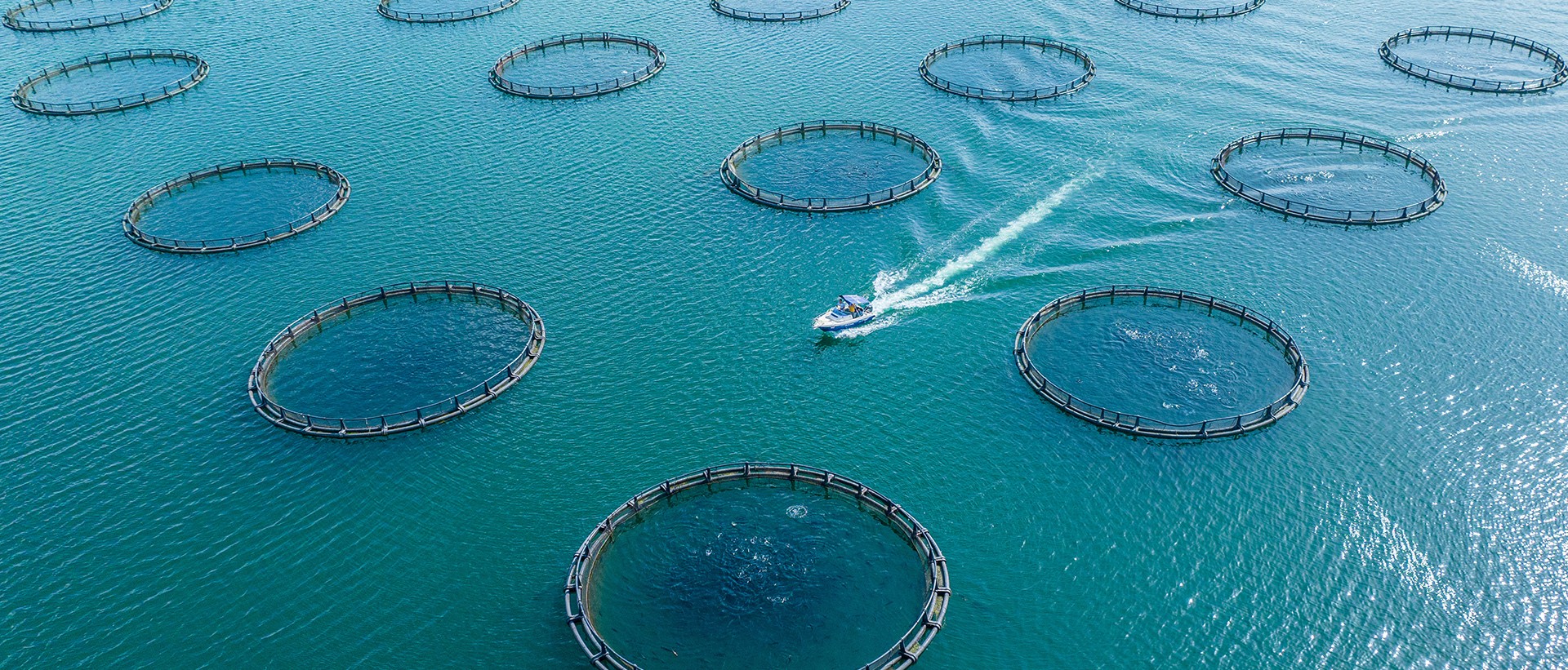
Aquaculture Dissolved Oxygen Analysis

Aquaculture

Water quality monitoring is essential for successful aquaculture. Maintaining optimal water conditions helps ensure healthy fish and shrimp growth, improving survival rates and production yield.

View More →
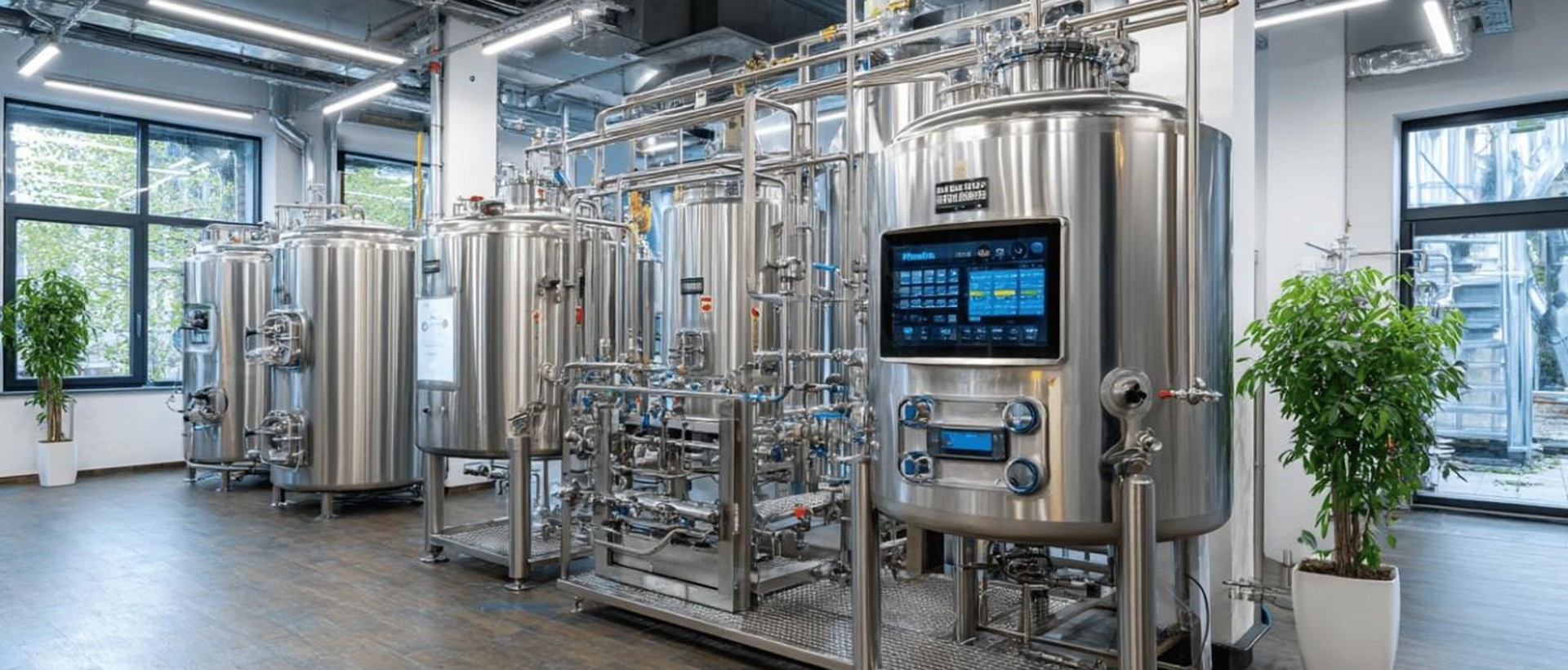
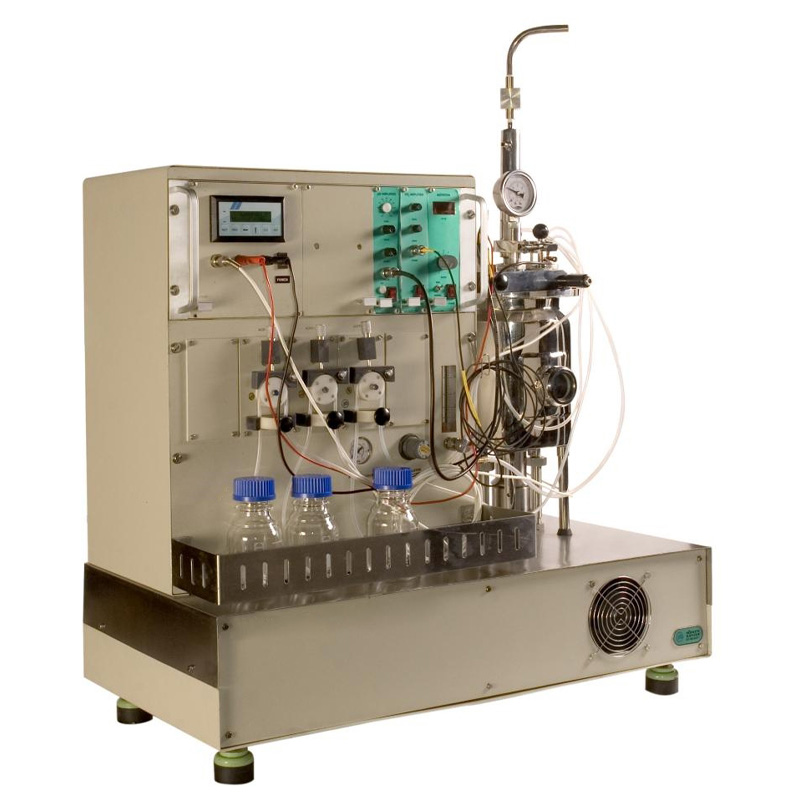
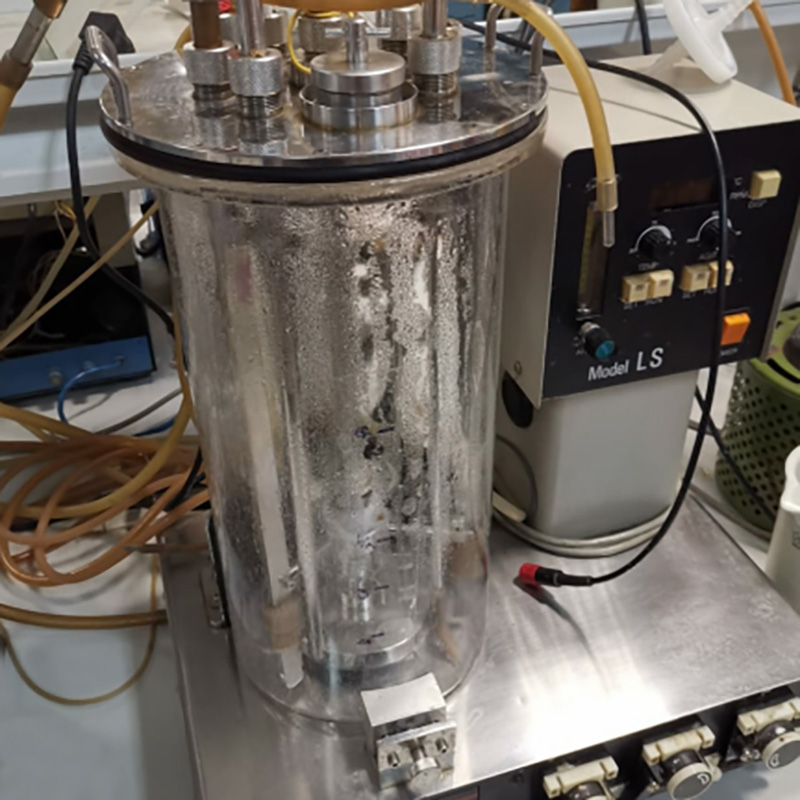
Biopharma Fermentation Water Quality Monitoring

Biopharma Fermentation

In high-temperature pharmaceutical manufacturing, rigorous water quality monitoring is critical. It safeguards product purity, prevents equipment corrosion, and ensures strict regulatory compliance.

View More →
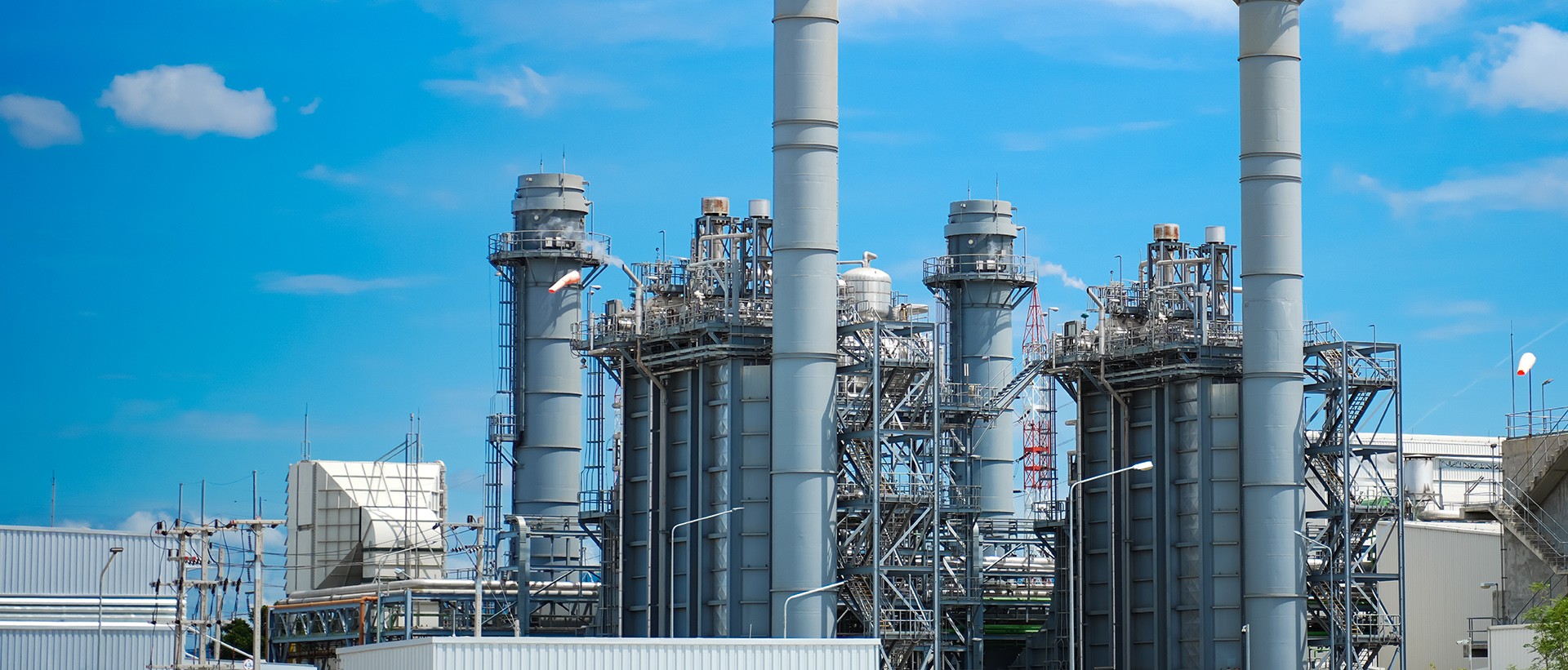
Steam Water Analysis System SWAS

Steam Water Analysis System (SWAS)

In high-power thermal power generation, circulating water quality monitoring is critical. Poor water quality causes pipe scaling and corrosion, reducing thermal efficiency and damaging equipment.

View More →
Swimming Pool Water Quality Monitoring

Swimming Pool Water Quality Monitoring

Continuous monitoring of pH, residual chlorine, ORP, temperature, and turbidity prevents harmful bacterial growth, protects swimmers, and ensures strict public hygiene compliance.

View More →
Advantages

WHY CHOOSE US

With nearly two decades of expertise in water quality monitoring, BOQU Instrument is a trusted manufacturer of water quality analyzers, sensors, and complete water monitoring solutions. We are committed to helping customers worldwide achieve accurate, reliable, and cost-effective water quality management.
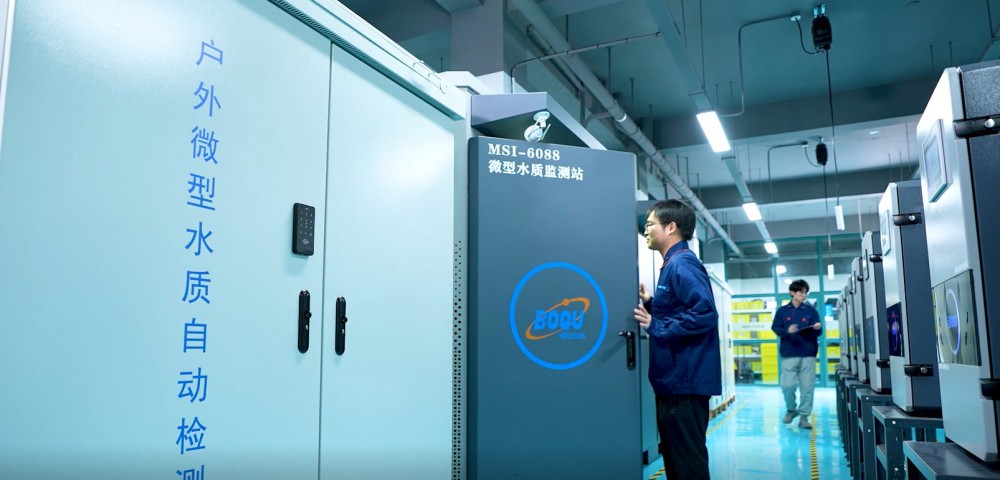
R&D Innovation

Independent R&D and Innovation

With an independent R&D team, BOQU continuously innovates to deliver accurate, reliable, and customized water quality monitoring solutions.
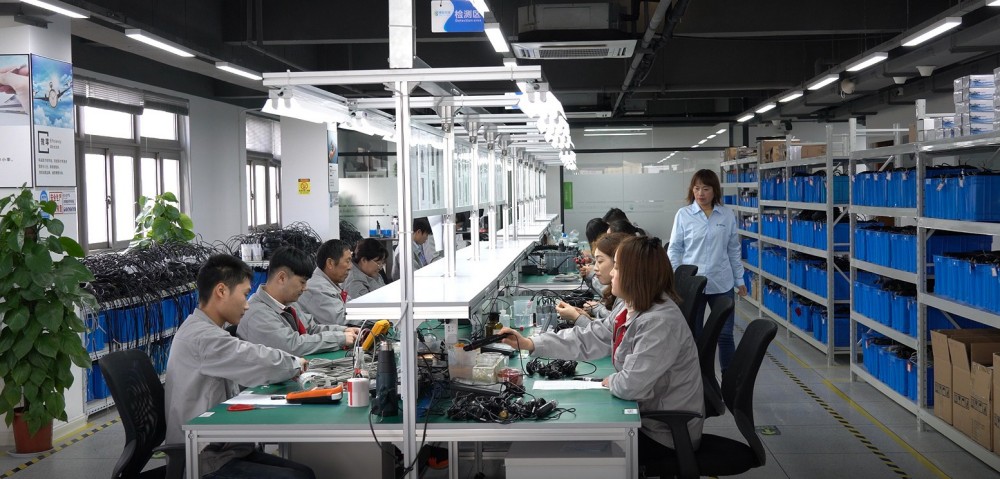
High-Temperature Lab

High-Temperature Laboratory

China's first high-temperature water-quality sensor laboratory for demanding calibration, pressure resilience, and validation.

Two Modern Factories

Two Factories, Real Capacity

4,632m² facility, 200+ trained staff, and an annual production output surpassing 100,000 units across two Shanghai plants.
OEM ODM Manufacturing

OEM & ODM Manufacturing

With large annual production capabilities, BOQU delivers swift shipments, custom enclosures, firmware tailoring, and OEM/ODM services.
Certified Quality

Certified Quality Standards

Backed by ISO 9001, CE, SGS, and FDA standards, each analyzer undergoes strict 48-hour continuous pre-shipment validation.

Shanghai Brand Certified

Shanghai Brand Certification

The pH5806 high-temperature sensor developed and manufactured by BOQU is formally awarded prestigious "Shanghai Brand" recognition.

Explore Projects

Successful Global Drinking Water & Process Cases

Thanks to the trust and support of our customers worldwide, BOQU has successfully partnered with over 2,000 companies across diverse drinking water and industrial water safety projects.

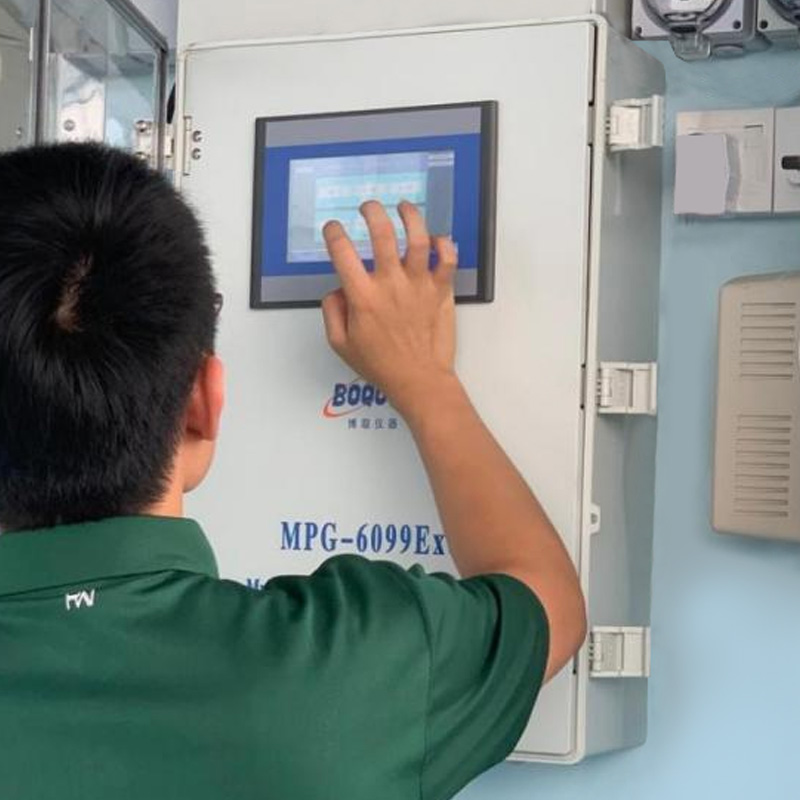
Application Case of Residual Chlorine in Drinking Water in America

Residual Chlorine & DO Case in Drinking Water (USA)

Application Case of High Temperature Fermentation in India

Process Water Control in Fermentation (India)

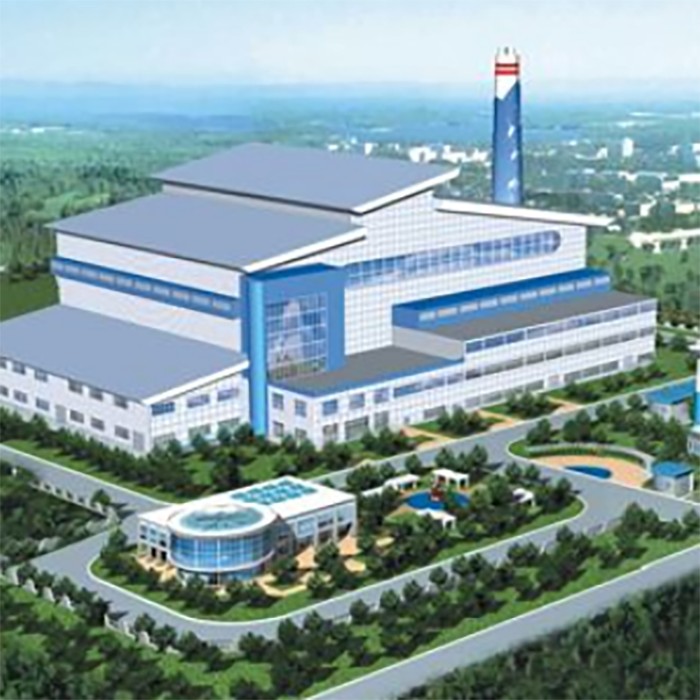
Application Case of A Domestic Waste Incineration Power Plant in Beijing

Industrial Water Safety in Power Plant (Beijing)

Fermentation Process Monitoring Case in Russian Enterprise

Industrial Process Water Monitoring (Russia)

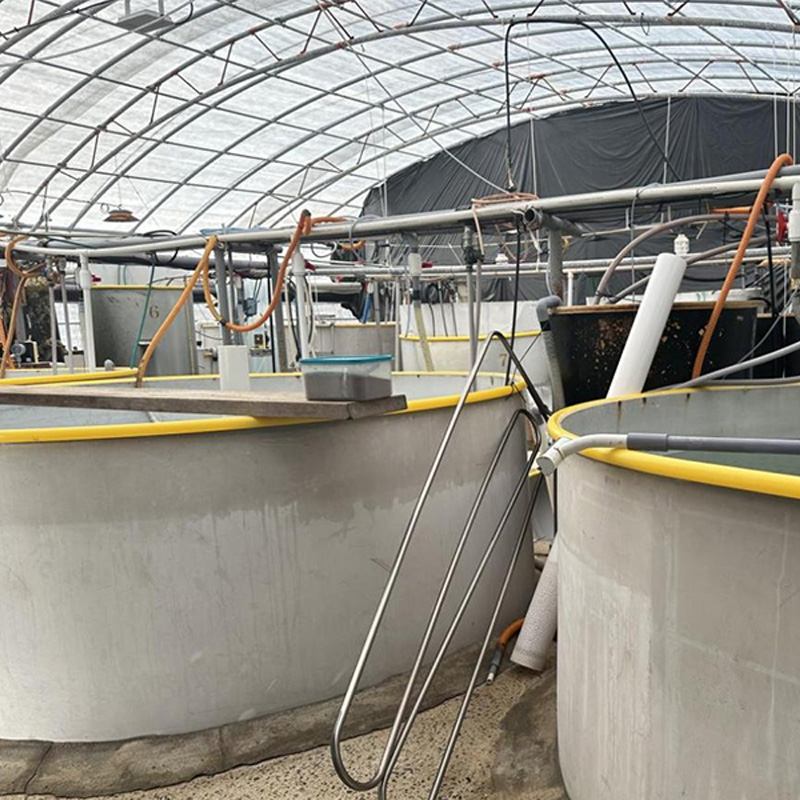
Application Case of Aquaculture in Malaysia

Water Quality & DO Monitoring System (Malaysia)

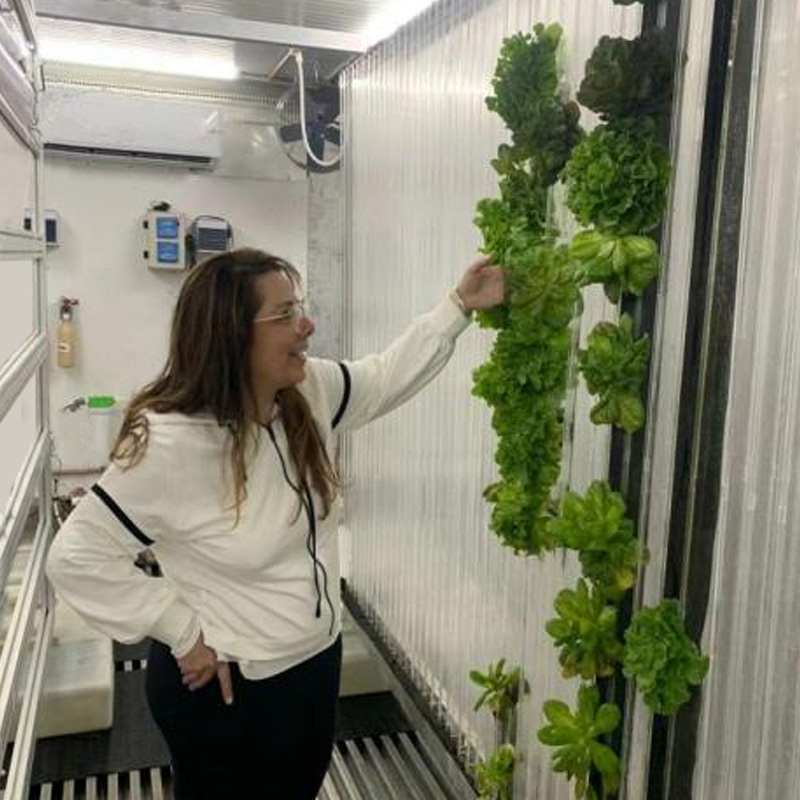
Application Case of Hydroponics Industry in Brazil

Controlled Water Oxygenation Case (Brazil)

Multiple Parameters in Sewage Treatment Plant in Vietnam

Sewage & Effluent Water Safety Nodes (Vietnam)

Application Case of Aquaculture in Korean

Aquatic DO Regulation & Quality Case (Korea)

Factory

Factory Exhibition & Clean Manufacturing

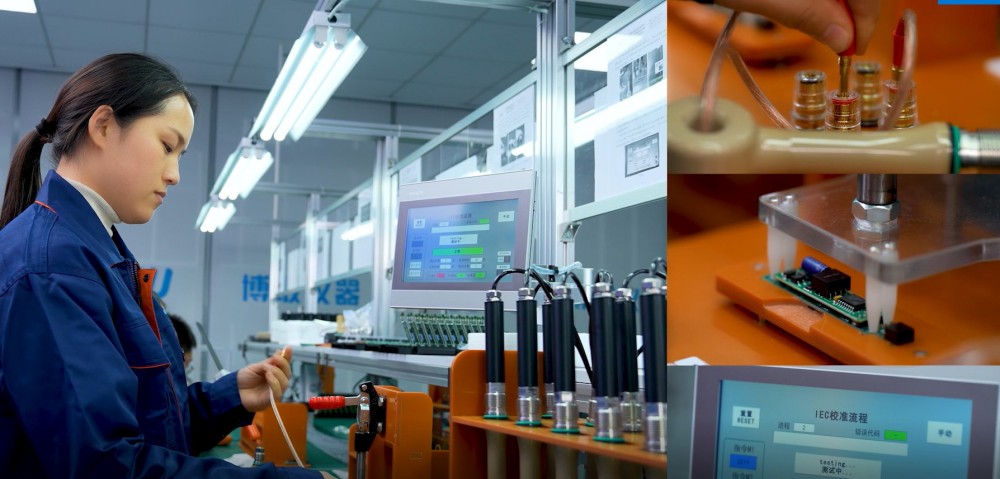
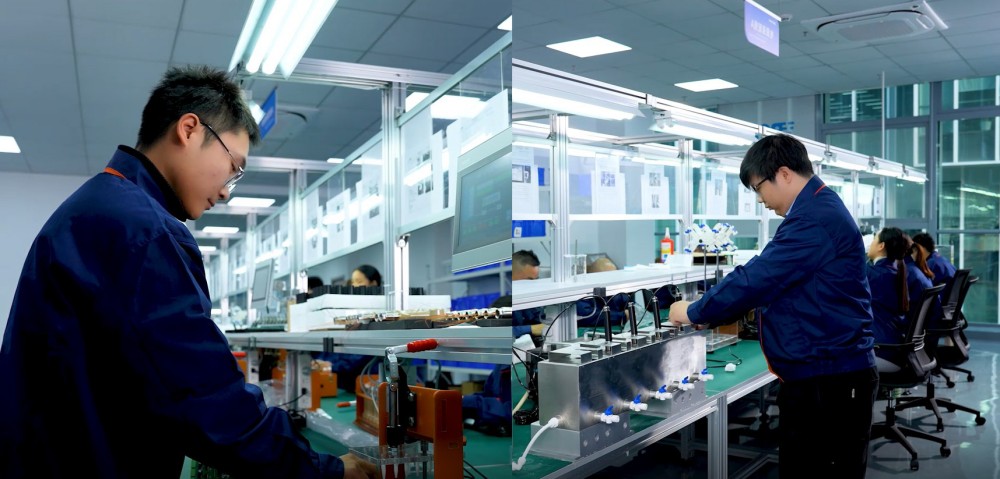
From raw materials to high-precision smart sensors, and from PCB assembly to professional water quality analyzers, every stage of the manufacturing process is completed in BOQU's dedicated production facilities. Our fully integrated, end-to-end manufacturing system ensures consistent quality, strict quality control, and reliable product performance.

Lingang Workshop 2 Precision Sensor Assembly
Kangqiao Workshop 2 Quality Testing Facility
Kangqiao Workshop 3 Automated Circuit Board Production
Lingang Workshop 1 Optical Assembly Line
Kangqiao Workshop 1 Water Quality Sensor Calibration

Visit BOQU Production Facility

Explore our transparent digital workshop and rigorous sensor testing procedures. Experience engineering precision built on ISO-certified manufacturing excellence.