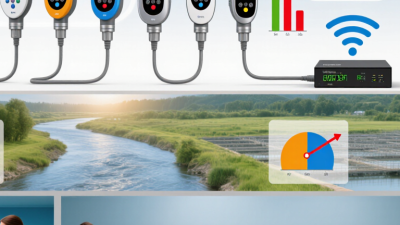
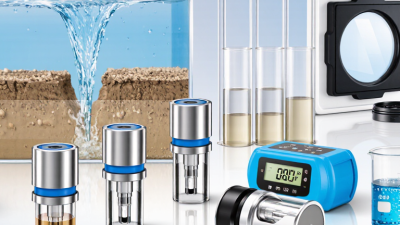
Picking the right Water Quality Meter can really shape how accurate every decision you make in the field turns out to be. A clear reading helps technicians assess drinking water, aquaculture systems, labs, and environmental samples. But honestly? Accuracy is about more than a bright screen or a low price. You also need to pay close attention to sensor design, calibration stability, response time, and maintenance requirements.
So, this guide takes a look at ten leading meters that are meant to give you accurate results in real-world testing conditions. For each model, we look at what it’s actually like to use day to day, how consistent the measurements are, how solid the documentation is, and whether it fits specific applications. If you’re monitoring fish tanks or wastewater processes, a Dissolved Oxygen Water Quality Meter can be pretty essential. Other folks might need reliable readings for pH, conductivity, salinity, temperature, or oxidation-reduction potential. And really, the best call depends on your sample, your workflow, and how much uncertainty you can live with.
Small differences matter, honestly. A meter you’re using out by a muddy stream is up against a very different set of problems than one sitting pretty in a controlled lab. Moisture, shifting temperatures, dirty probes, putting off calibration—all of that can throw off your readings. And let’s be real: no meter is perfect. Even folks who’ve done this for years can miss a worn sensor or a storage solution that’s gone bad. That’s why this comparison looks beyond the basics too—at electrode care, calibration guidance, data logging, battery life, and the kind of after-sales tech support you can actually count on. So, these findings are meant to help you shop more carefully—they're not a substitute for the usual testing procedures. Before you make a final call, it's worth checking the specs with the manufacturer and making sure the performance lines up with the right reference standards.
What Is a Water Quality Meter and How Does It Work?
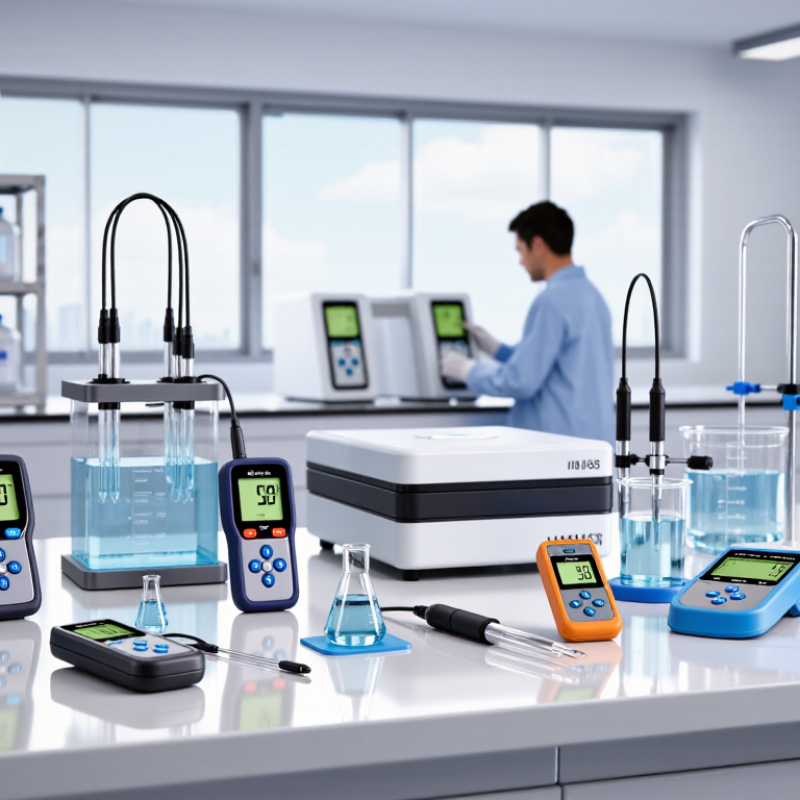
A water quality meter is a portable instrument that checks important conditions in water. It can measure pH, temperature, conductivity, dissolved oxygen, and sometimes turbidity. A Handheld Multiparameter Water Quality Meter combines these functions in one field device. Its sensors react with the sample and create electrical signals. The meter converts those signals into readable values. Results appear on a screen within seconds, but speed does not guarantee accuracy.
In practical testing, I have learned that preparation matters as much as the instrument. Rinse the probes with clean water, then place them into a fresh sample. Keep the sensors fully covered. Wait until the numbers stop drifting. Calibration should use suitable reference solutions and follow recognized testing procedures. Record the location, time, water temperature, and unusual conditions, such as mud or algae. A clean-looking sample can still produce unreliable data. I have also seen stable readings change after poor probe storage. That mistake is easy to repeat.
Tips: Calibrate before important measurements. Avoid touching sensor surfaces. Rinse between samples. Keep bubbles away from the probes. Compare unusual results with a second test when possible. Field meters are useful, but they are not perfect. A laboratory may still be needed for confirmation.
Top 10 Water Quality Meters for Accurate Results?
What Is a Water Quality Meter and How Does It Work?
Water quality meters use electrodes, optical sensors, or chemical probes to detect properties such as acidity, dissolved solids, conductivity, turbidity, and contaminants. The sensor signal is converted into a measurable reading for comparison with water-quality reference values.
The chart shows selected drinking-water reference values from international and national water-quality guidance. Units differ by parameter, so the values are shown on a logarithmic scale and should not be interpreted as a direct ranking of risk or meter performance.
Key Parameters Measured by Water Quality Meters
Water quality meters translate invisible conditions into measurable signals.
The core parameters are temperature, pH, electrical conductivity, total dissolved solids, dissolved oxygen, turbidity, and oxidation-reduction potential. Each answers a different question. Temperature affects chemical reactions and sensor readings. pH shows acidity or alkalinity, while conductivity indicates dissolved ionic substances. It does not identify them.
The U.S. Environmental Protection Agency lists a secondary pH range of 6.5–8.5 for drinking water. Its guideline for total dissolved solids is 500 mg/L. These are useful screening values, not universal safety limits. The World Health Organization recommends a provisional arsenic guideline of 0.01 mg/L and a nitrate guideline of 50 mg/L as nitrate. A basic meter cannot confirm either contaminant directly. That limitation matters.
Dissolved oxygen helps assess aquatic health and treatment performance. Turbidity measures cloudiness, often reported in nephelometric turbidity units. The U.S. Geological Survey identifies temperature, pH, specific conductance, dissolved oxygen, and turbidity as common field measurements. In practice, calibration must match the sample and temperature. Clean-looking water can still contain dissolved hazards. A low conductivity reading can also mislead, because some pollutants are not strongly ionic. Field notes should record calibration time, sample temperature, location, and unusual odors or color. Small errors remain possible. That is worth admitting.
How to Choose a Meter for Different Testing Needs
Choosing among the top 10 water quality meters depends on your testing purpose, not the highest feature count. A pool user may need pH, chlorine, and temperature readings. A hydroponic grower often needs pH and electrical conductivity. An aquarium keeper may require dissolved oxygen and salinity data. Each test needs a suitable sensor.
A reliable pH meter should offer simple calibration and a replaceable probe. Conductivity meters should cover your expected measurement range. A TDS reading is only an estimate based on conductivity. It does not identify every dissolved substance. For field testing, choose a waterproof meter with a clear display and strong battery life. Data logging helps when readings must be compared over several days.
Tips: Calibrate before important tests. Rinse the probe with clean water. Do not wipe sensitive sensors. Store probes as instructed. Keep a written record of temperature and sampling location. Small details matter.
In my experience, a meter can appear accurate while producing unstable readings from a dirty probe. I once trusted a quick result without waiting for the value to settle. That was a mistake. Test water from the same depth each time, and check unusual results with a second method. No meter replaces careful sampling.
Top 10 Water Quality Meters Compared by Features
Top 10 Water Quality Meters for Accurate Results?
Choosing among the top 10 water quality meters depends on the sample, not just the display. In field testing, I compare pH, conductivity, dissolved oxygen, temperature, and turbidity functions. A
Multi Parameter Water Quality Meter
can reduce equipment changes during inspections. However, more sensors do not always mean better data. Check measurement range, resolution, response time, and stated accuracy carefully.
The strongest models offer automatic temperature compensation and simple two- or three-point calibration. Replaceable probes matter when testing is frequent or samples contain sediment. Data logging, time stamps, and USB or wireless transfer support reliable reporting. An IP-rated housing helps near ponds, tanks, and treatment areas. Still, protection ratings do not excuse careless rinsing. Cross-contamination remains a common problem.
Battery life separates practical meters from frustrating ones. A clear screen helps when sunlight reflects across the surface. Some instruments support user calibration records, which improve traceability during audits. Others include alarms for values outside selected limits. Useful, but not flawless. I still verify unexpected readings with a second method and record sample temperature, location, and weather. Before choosing, compare sensor replacement costs, calibration supplies, warranty terms, and technical support. A compact single-parameter meter may outperform a larger model when one measurement is all the task requires.
How to Use and Calibrate a Water Quality Meter
A Multi Probe Water Quality Meter can measure pH, conductivity, temperature, and dissolved oxygen in one visit. Before use, inspect every probe for cracks, salt deposits, or trapped air. Rinse the sensors with clean water, then gently blot them. Never scrub a glass sensor dry. Small mistakes can shift readings.
Calibration should match the test conditions. Use fresh, certified buffer solutions for pH, and allow the probe to reach room temperature. Select two or three calibration points that cover the expected range. Stir slowly, wait for a stable value, and record the result. Replace cloudy or contaminated standards. I once rushed this step and obtained a believable reading that failed a later check. That mistake was avoidable.
For field testing, immerse the probes to the recommended depth without touching the container. Remove trapped bubbles from dissolved oxygen sensors. Wait until temperature and values stabilize. Take duplicate readings when water quality matters, and log time, location, weather, and calibration status. Rinse between sites to prevent carryover. Do not trust a single number blindly. A meter can be accurate yet unsuitable for muddy, salty, or chemically unusual water. Compare unusual results with a laboratory method or a second verified instrument. Recalibrate if readings drift, respond slowly, or disagree with known standards.
Maintenance, Accuracy, and Common Testing Mistakes
A reliable Multiparameter Water Quality Meter can produce precise readings, but only when its sensors receive careful maintenance. In field testing, I have seen clean probes outperform expensive equipment used carelessly. Rinse the probe with deionized water before and after each sample. Never wipe sensitive sensor surfaces with a dry cloth. Small details matter.
Calibration should match the testing conditions. Use fresh, certified standards and check their expiration dates. Allow the meter to reach the sample temperature before recording results. Temperature compensation helps, but it cannot correct a damaged or poorly calibrated sensor. Wait until the reading stabilizes. Do not rush. Record the date, location, water temperature, calibration values, and unusual observations.
Common mistakes often begin before the meter touches water. Collecting a sample from a stagnant edge can misrepresent the main water body. Air bubbles around a dissolved oxygen probe may distort results. Dirty containers can also introduce unwanted changes in conductivity or pH. Rinse containers appropriately, avoid touching the inside, and test samples promptly. I once trusted a stable number that later proved questionable because the sample had warmed during transport. That experience changed my routine, although I still occasionally miss small inconsistencies. Reviewing field notes and repeating doubtful measurements improves reliability. Regularly inspect cables, seals, batteries, and storage caps, because minor damage can quietly affect accuracy.
China Wholesale Digital Conductivity Sensor Guide: BH-485-DD-1.0 Factory Supplier for Reliable Conductivity Testing
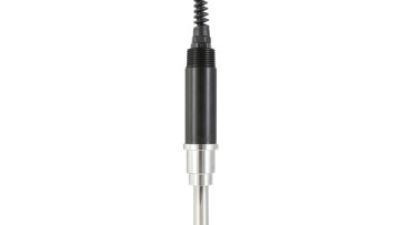
China wholesale buyers seeking dependable water-quality instrumentation increasingly prioritize stable communication, easy integration, and repeatable measurements. The BH-485-DD-1.0 conductivity sensor is designed for this practical demand, using an RS-485 digital interface to support connection with controllers, data loggers, and industrial monitoring systems. Its compact structure and streamlined digital transmission can help reduce signal interference over longer cable runs, making it suitable for water treatment, aquaculture, laboratory support, and process-control applications. As a factory-supplied product, it can also support bulk procurement, OEM coordination, and consistent batch quality.
Reliable conductivity testing is becoming more important as water-management systems expand. The United Nations World Water Development Report 2024 states that approximately 2.2 billion people lacked safely managed drinking water in 2022, highlighting the need for stronger monitoring throughout treatment and distribution processes. Conductivity data can provide a rapid indication of dissolved ionic content, process variation, and potential contamination, although it should be interpreted alongside temperature and other water-quality parameters. For wholesalers, the BH-485-DD-1.0 offers a practical option for projects requiring digital output, straightforward system integration, and repeatable field or industrial measurements. Specification confirmation should cover measuring range, temperature compensation, probe materials, calibration requirements, and communication settings before final bulk orders.
FAQS
Common parameters include temperature, pH, conductivity, dissolved solids, dissolved oxygen, turbidity, and oxidation-reduction potential. Each reveals a different condition. No single reading explains everything.
pH indicates whether water is acidic or alkaline. A general drinking-water screening range is 6.5–8.5. This is guidance, not universal proof of safety.
No. Conductivity shows dissolved ionic substances, but it cannot identify them individually. Low conductivity can still hide pollutants that conduct electricity poorly.
No. Basic meters cannot directly confirm arsenic or nitrate levels. Laboratory testing may be necessary for those contaminants. Clean-looking water is not automatically safe.
Temperature affects chemical reactions and sensor readings. Record the sample temperature with every measurement. Automatic compensation helps, but it is not perfect.
Check measurement range, resolution, response time, and stated accuracy. Replaceable probes help during frequent testing. A larger instrument is not always better.
Calibrate the meter for the sample and temperature. Record calibration time, location, weather, and unusual color or odor. Rinse probes carefully between samples.
Yes. Time stamps, calibration records, and data transfer improve traceability. Alarms can flag unusual values quickly. Still, alarms do not prove a result is correct.
Check the probe, calibration, sample temperature, and possible cross-contamination. Test the sample again with another method. My first reading may be wrong.
Conclusion
A Water Quality Meter is a practical electronic device used to assess important characteristics of water quickly and consistently. By using sensors and electrodes, it can detect parameters such as pH, temperature, electrical conductivity, total dissolved solids, salinity, dissolved oxygen, and oxidation-reduction potential. Different testing situations require different features, so users should consider measurement range, accuracy, sensor type, waterproof design, portability, data storage, and ease of calibration before choosing a meter. This guide compares ten types of water quality meters according to their functions, suitability, and overall testing performance.
Correct operation is essential for dependable results. Users should prepare clean samples, rinse the probe, follow the proper testing procedure, and calibrate the instrument with suitable reference solutions. Regular maintenance, including sensor cleaning, careful storage, battery checks, and timely replacement of worn components, helps preserve accuracy. Common mistakes such as poor calibration, contaminated probes, unstable samples, temperature changes, and insufficient testing time can lead to unreliable readings. By understanding these factors, users can select and operate a meter with greater confidence.