



Biopharma Fermentation
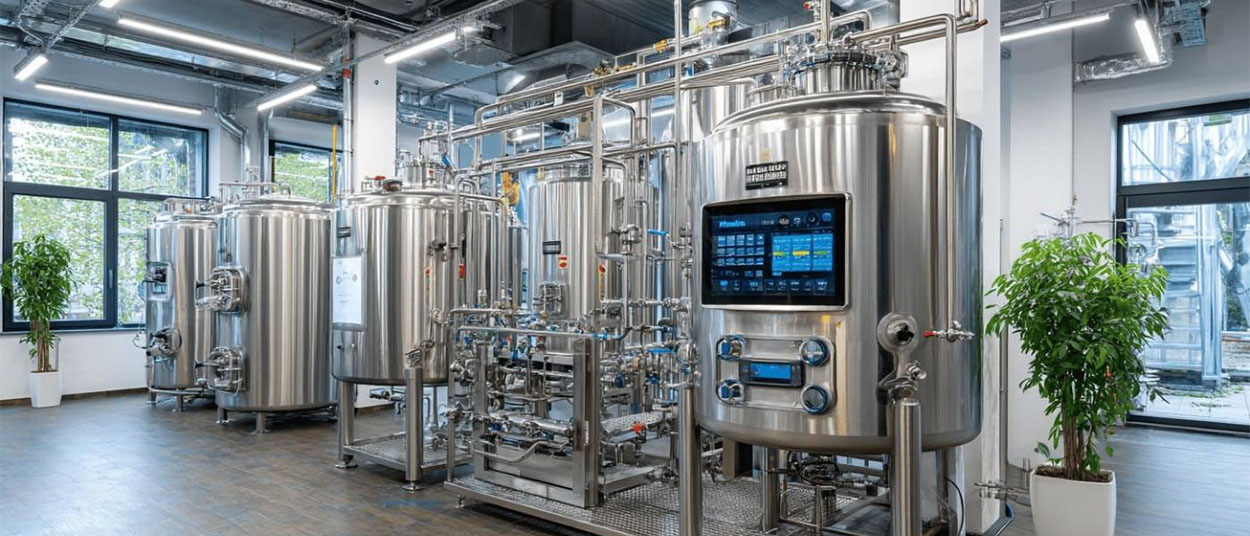
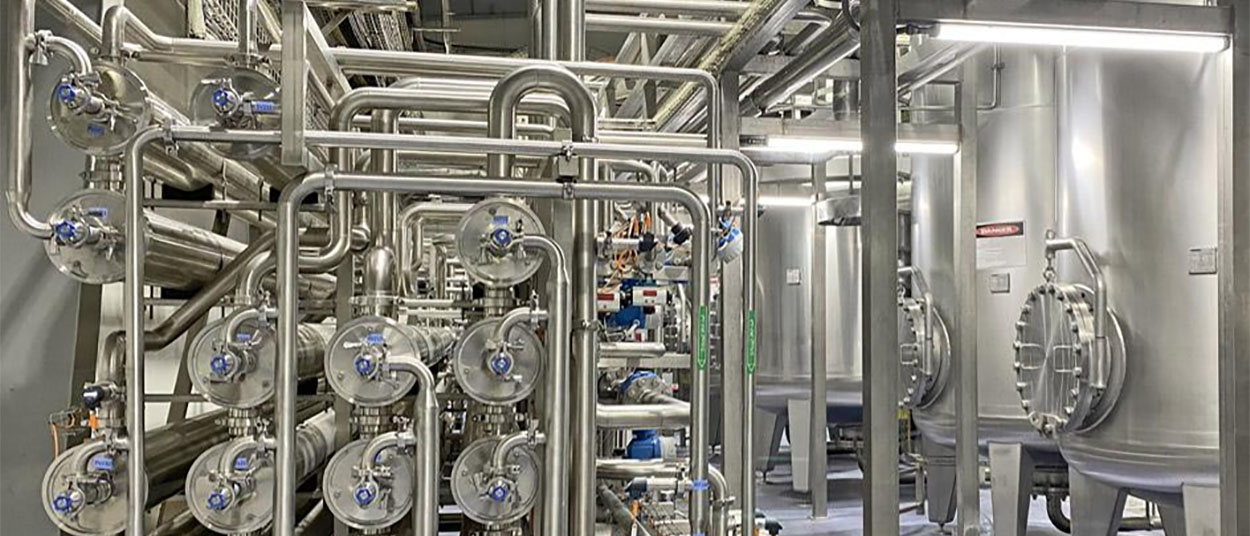
In biopharmaceutical manufacturing, fermentation is one of the most critical stages for achieving consistent product quality and process stability. During fermentation, microorganisms or cultured cells are highly sensitive to changes in environmental conditions, particularly pH, dissolved oxygen (DO), conductivity, temperature, and other water quality parameters. Therefore, reliable water quality monitoring is essential for maintaining optimal fermentation conditions and ensuring batch-to-batch consistency.
For high-temperature fermentation systems, the requirements for water quality sensors are even more demanding. Sensors installed in or around high-temperature fermentation tanks must be capable of operating reliably under elevated temperatures, pressure, continuous sterilization, frequent cleaning-in-place (CIP), and steam-in-place (SIP) processes. At the same time, the sensor materials must have excellent chemical resistance and hygienic performance to avoid contamination of the fermentation process.
High-temperature and pressure resistance is one of the most important factors when selecting sensors for biopharmaceutical fermentation. During SIP sterilization, process temperatures can reach approximately 121°C or higher, depending on the equipment and validated sterilization procedure. Sensors should therefore be designed for high-temperature environments and capable of maintaining measurement stability during repeated sterilization cycles.
Excellent chemical and corrosion resistance is also essential. Fermentation systems are frequently exposed to cleaning agents, disinfectants, acids, alkalis, and other process chemicals during CIP and maintenance procedures. Sensor materials should be carefully selected to withstand these conditions without degradation or measurement drift.
Hygienic and sanitary design is another key consideration. Sensors used in biopharmaceutical applications should have smooth surfaces, minimal dead zones, and appropriate process connections to reduce the risk of microbial contamination and facilitate effective cleaning and sterilization.
In addition, sensors should provide fast response, high measurement accuracy, good repeatability, and long-term stability. Because fermentation parameters can change rapidly, delayed or unstable measurements may result in inappropriate process control and ultimately affect product yield and quality.
When selecting the transmitter, it is recommended to choose an instrument that supports stable signal acquisition, automatic temperature compensation, multiple communication options, alarm functions, data transmission, and integration with PLC, DCS, or SCADA systems. This enables the measured parameters to be incorporated into an automated process-control system rather than relying solely on manual inspection.
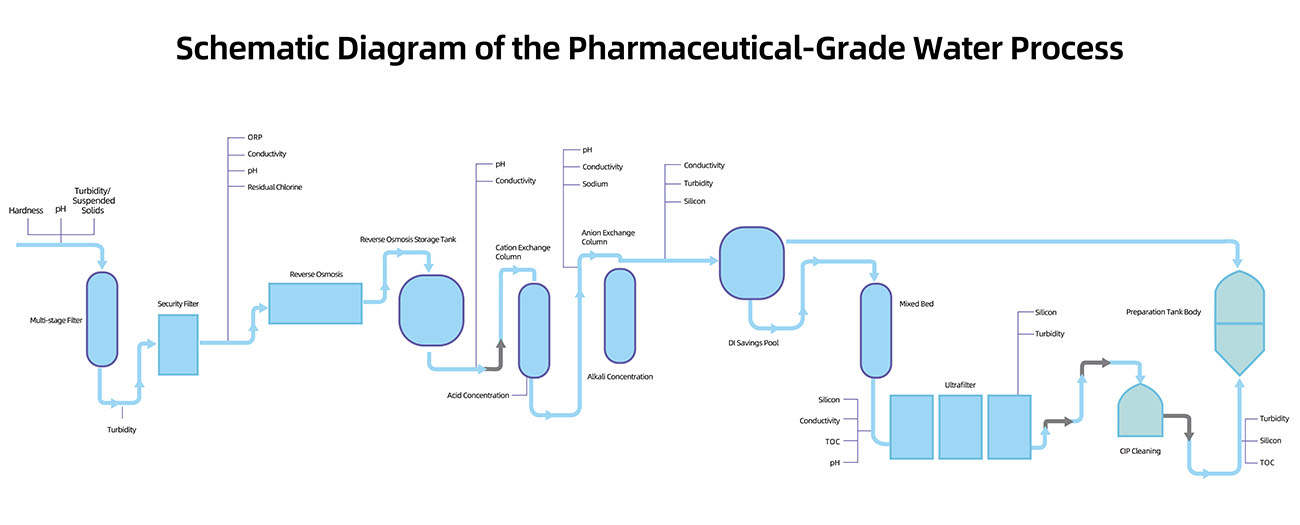
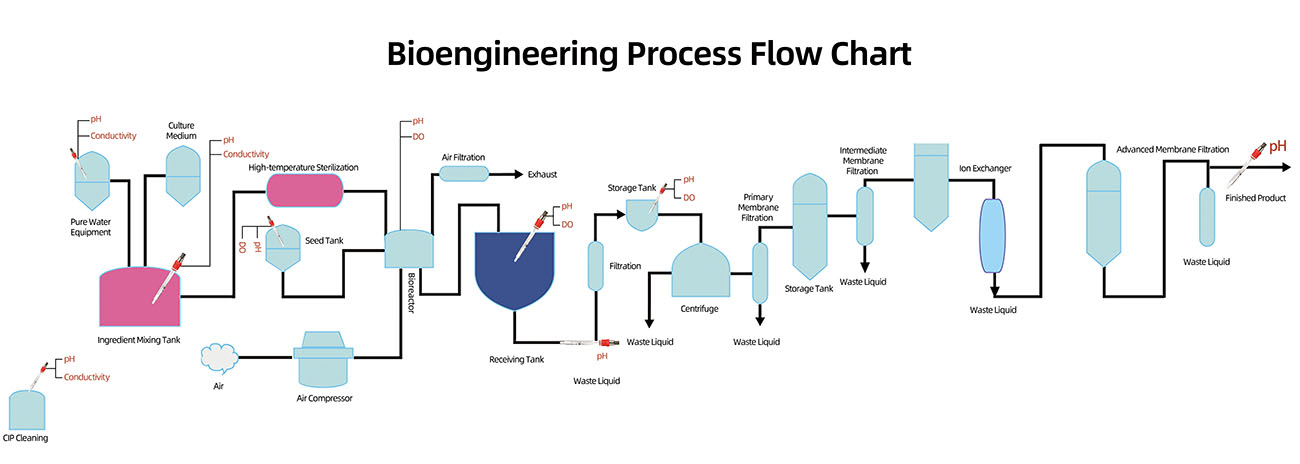
Recommended pH, DO and Conductivity Solutions from Boqu Instrument
| Parameters | Model |
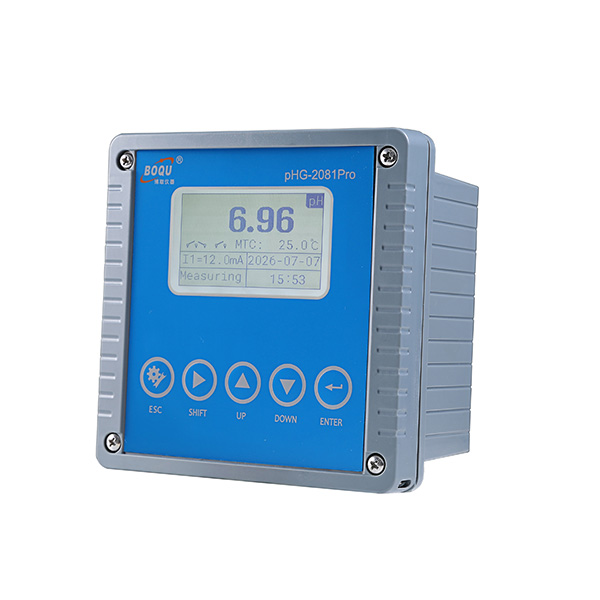
| pH | pH2081Pro Online pH Meter |
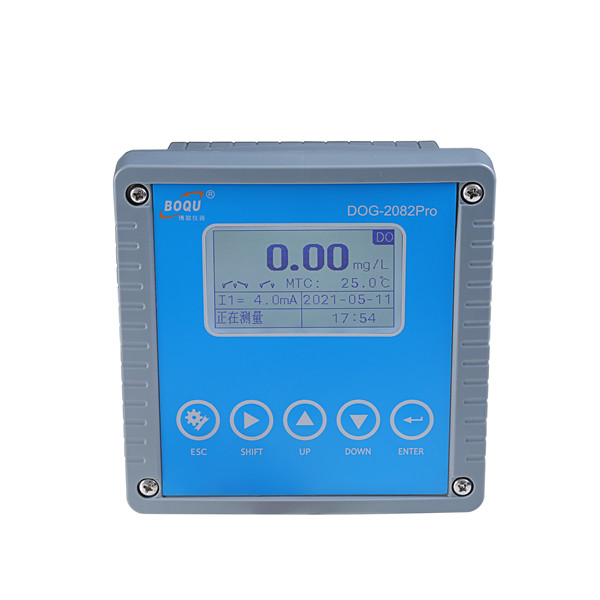
| Dissolved Oxygen | DOG-2082Pro-L Online Dissolved Oxygen Meter |
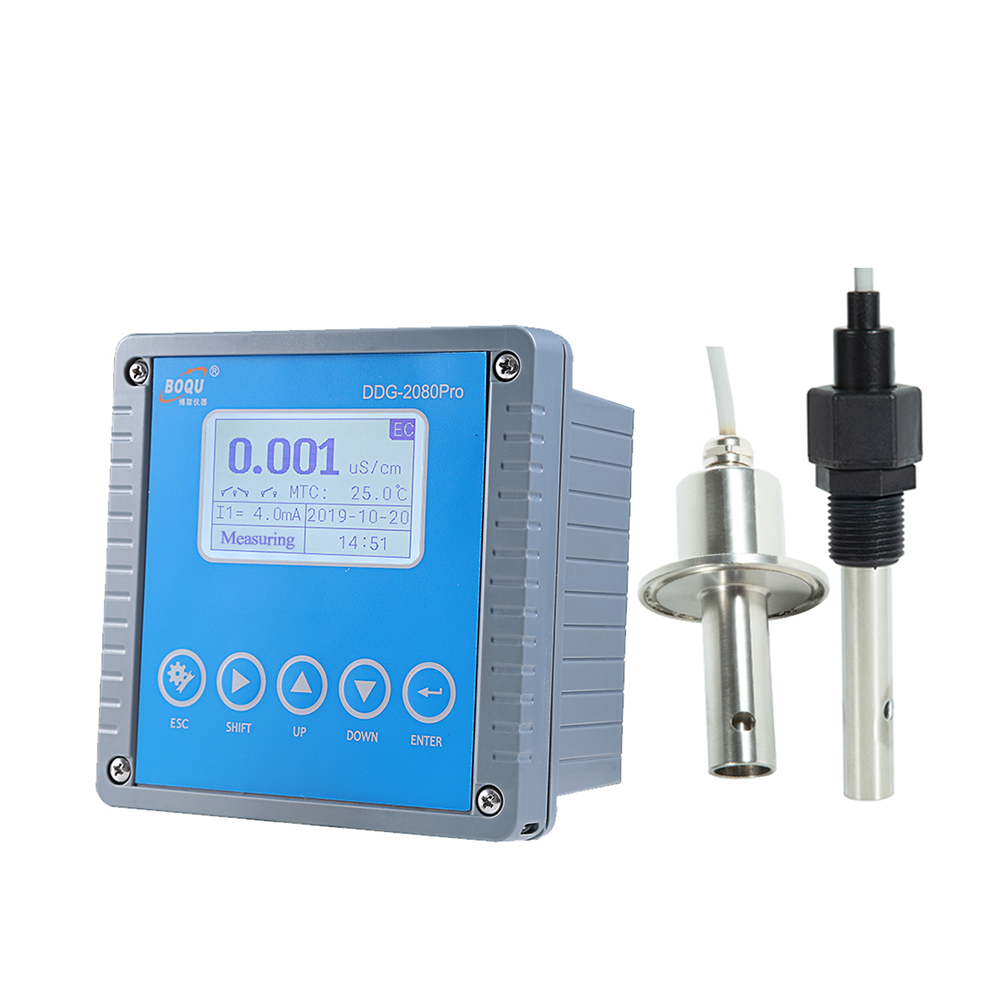
| Conductivity | DDG-2080Pro Online Conductivity Meter |
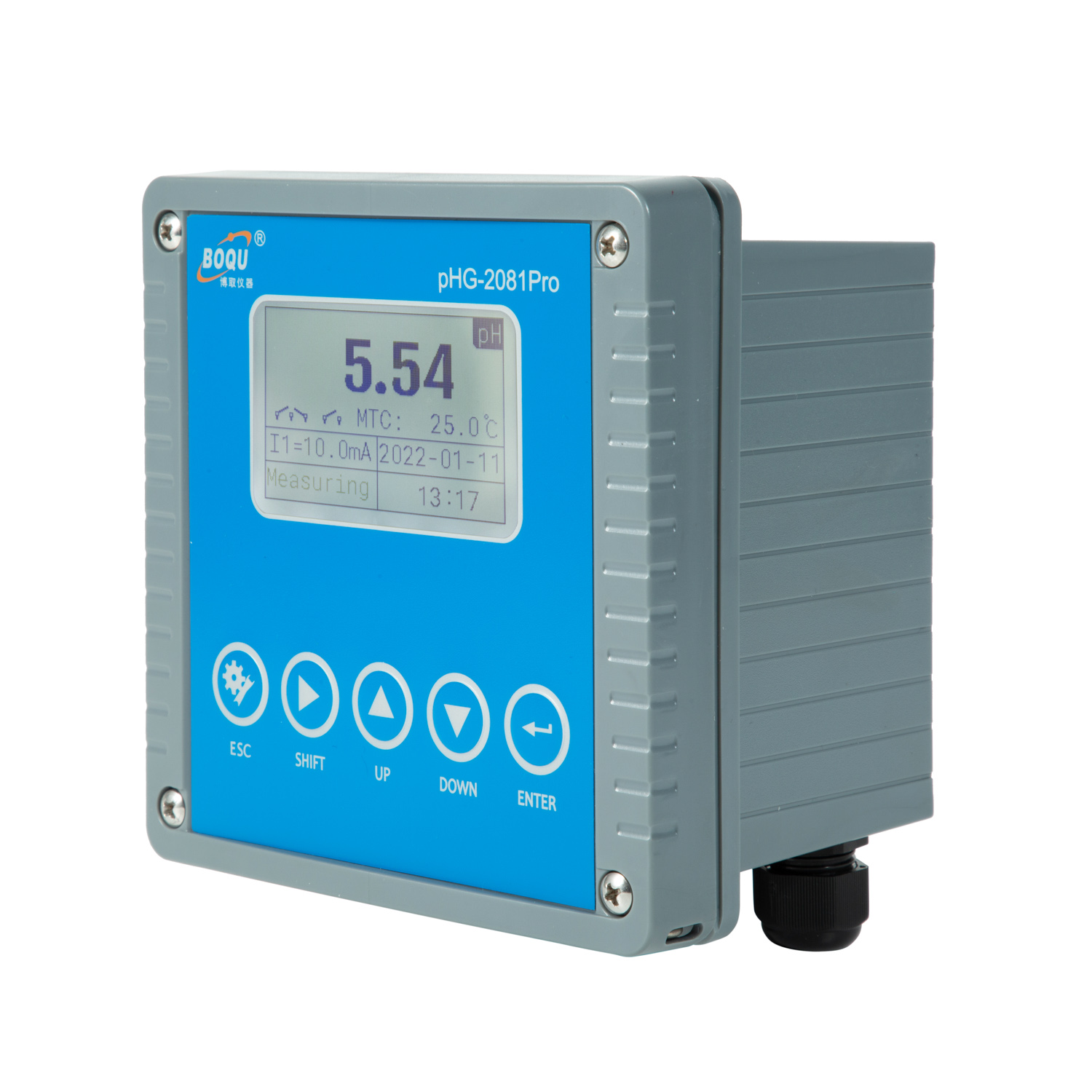
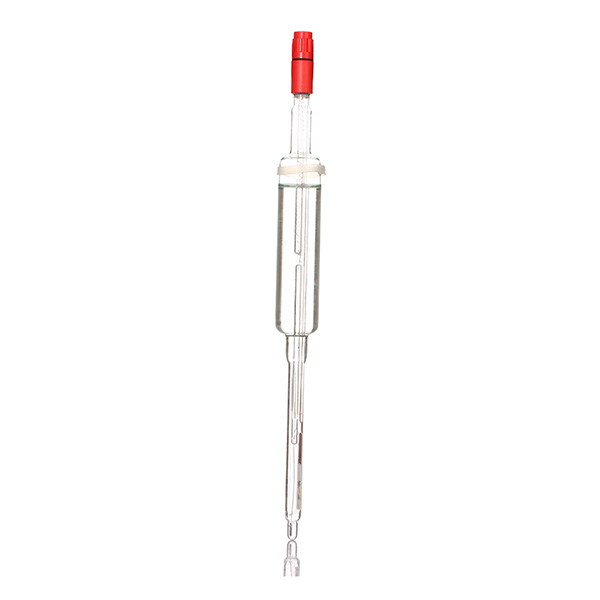
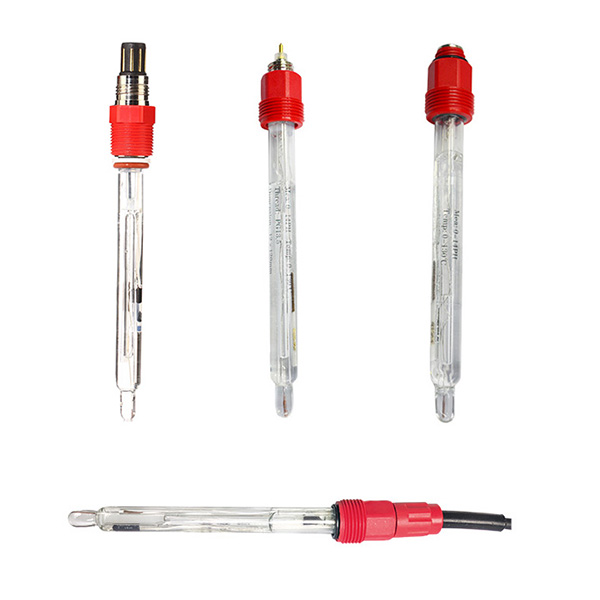
Measurement Parameter: pH
| Model | PHG-2081Pro | Model | pH-5805 | PH-5806 |
| Measuring Range | -2-16pH | Measuring Range | 0-14 pH | |
| Accuracy | ±0.01 pH | Accuracy | ±0.05 pH | |
| Working Temperature | -20-50 ℃ | Applicable Compensation | NTC10K、Pt100、Pt1000 | |
| Output | One RS485, Two 4-20mA | Temperature Compensation | 0-135℃ | |
| Relay | Two high and low relay /One time relay | Pressure range | <0.6MPa | |
| Power Supply | 90V – 260V AC 50/60Hz (24V alternative) | Cable Joint | VP,S7 | VP,S8,K8S |
| Installation Size | 138*138mm | Dimension | 12mm*120/150/250/450mm | 12mm*120/150/225/325mm |
| Installation | Panel/Wall Installation | Main Material | Glass (Sand Core Penetration) | |
| Data Storage | 1000 Groups | Reference System | Ceramic Diaphragm,Silver Ion Trapping Trap,Optional Pressurized Electrolyte | Gel electrolyte,Ceramic Diaphragm,Silver Ion Trapping Trap |
| Waterproof Class | IP65 | |||
Measurement Parameter: Dissolved Oxygen
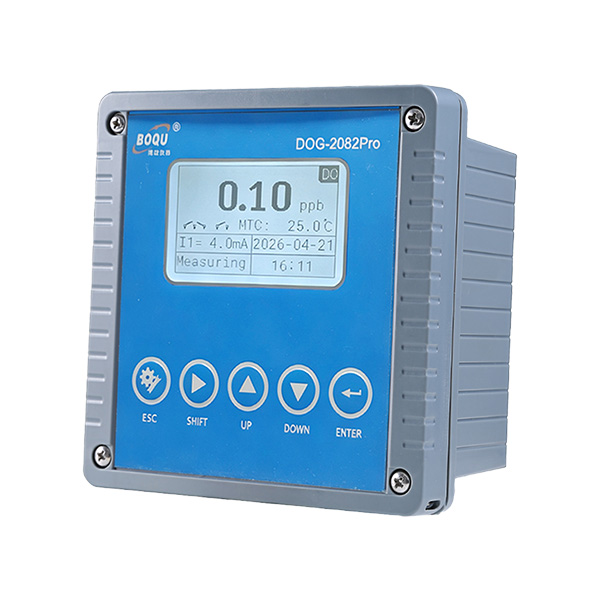
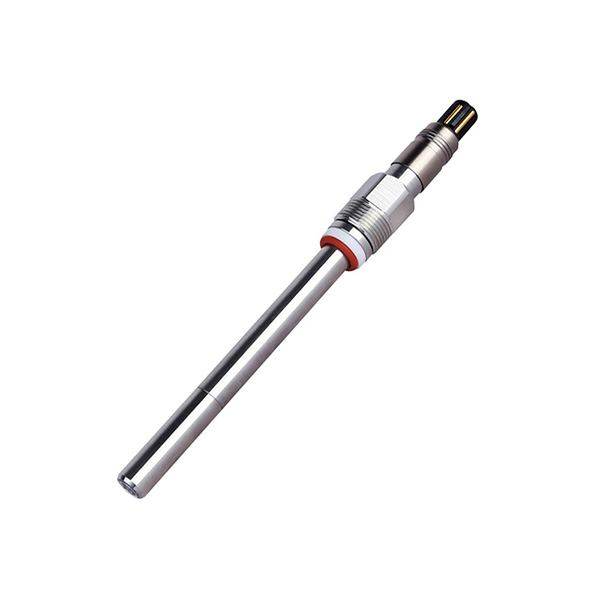
| Model | DOG-2082Pro | Model | DOG-208FA | IOT-ODO-210 |
| Range | 0~20mg/L | Range | 0~20mg/L | 0~300 %-Sat,4ppb~25ppm(DO),0~62.85%-vol |
| Accuracy | ±1%F.S. | Accuracy | ±0.3mg/L | 1±0.05%-vol;21±0.2%-vol;50±0.5%-vol. |
| Working Temperature | 0~60℃ | Temperature Compensation | Pt1000、NTC22K | NTC22K |
| Output | One-way RS485,two-way 4-20mA | Working Temperature | temperature tolerance:0-145°C/temperature Range:0-80°C | -10~140℃ |
| Relay | Two high and low relay /One time relay | Pressure | 0.2-6 Bar | -1-12 bar |
| Power | 100~240V (24V alternative) | Connector | VP6(IP68) PG13.5 | VP8 PG13.5 |
| Installation Method | Panel/Wall | Dimension | Diameter12mm,length 120、225、325 optional | Diameter12mm,length 120 |
| Storage | 1000 times | Material | SS316L | SS316L |
| Protection Grade | IP65 |
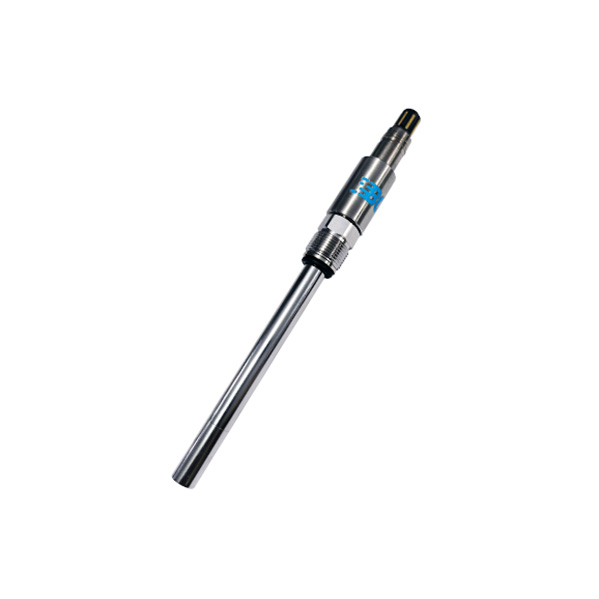
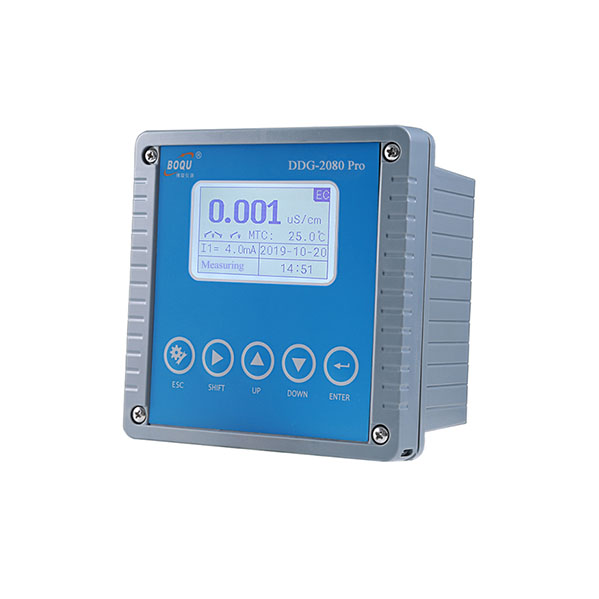
Measurement Parameter: Conductivity/TDS/Salinity/Resistivity
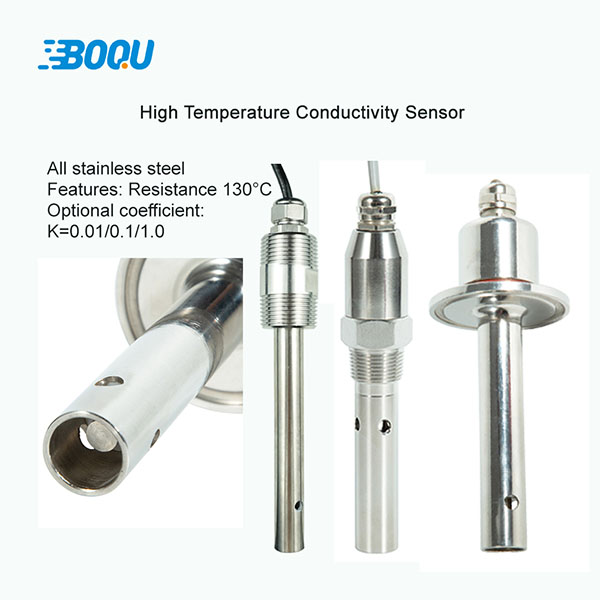
| Model No | DDG-2080Pro | Model No | DDG-1.0/0.1/0.01 |
| Measure Range | Conductivity:0-2000000 uS/cm(0 ~2000 mS/cm); TDS:0-130000 mg/L(ppm); Salinity:0-80ppt; Resistivity:0-20 MΩ•cm; Temp:-40-200 ℃. (Measure range depends on related sensor) | Measuring Range | K=0.01 0-20μS/cm; K=0.1 0-200μS/cm; K=1.0 0-2000μS/cm |
| Accuracy | ±2% ;±0.5℃ | Accuracy | ±2% FS |
| Working Temerature | 0-60℃ | Working Temp | 0-130℃ |
| Communication | Modbus RTU | Electrode Material | 304/316L Stainless steel |
| Signal Output | One-way RS485,two-way 4-20mA | Temp compensation | Pt1000,NTC10K,NTC2.252K |
| Powwer supply | 90V – 260V AC 50/60Hz (24V alternative) | Pressure | <0.6MPa |
| Relay | Two-way high and low potential/one-way time relay | Thread | Triclamp、1/2NPT、3/4NPT |
| Installation Method | Panel Mounted/Wall Mounted | Installation Method | Submerged, flow cell, pipeline |
| Data Storage | 1000 Groups | Cable length | 5 meters standard (support customized length) |
| IP Grade | IP65 |
Sensor Mounting Bracket/Housing
Sensor Housing are core supporting components that ensure the stable operation of sensors. They not only provide reliable mechanical support, but also form effective protection in special process media such as corrosive substances and high-temperature fluids, preventing direct damage to the sensors.
The basic considerations for selecting a sensor sheath are as follows:
1. Sensor Compatibility
2. Sheath Structural Design: For working conditions where the production process cannot be interrupted, a retractable sheath can be adopted, which allows the sensor to be safely removed for calibration and maintenance without shutting down the equipment and draining the media.
3. Immersion Depth in Medium