

Aquaculture
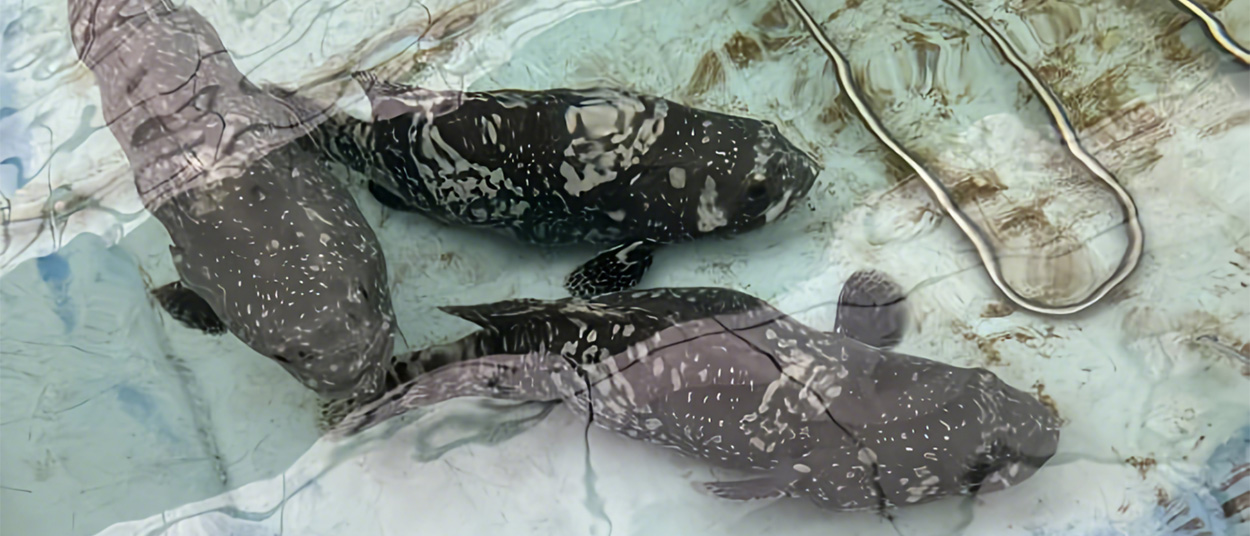
Aquaculture is highly dependent on water quality. Unlike terrestrial farming, fish, shrimp, and other aquatic organisms live directly in their surrounding water, which means that any significant change in water quality can quickly affect their metabolism, feeding behavior, growth, disease resistance, and even survival.
Water quality can change rapidly because of feeding, fish respiration, microbial activity, weather, stocking density, water exchange, and changes in temperature. Dissolved oxygen, for example, may decrease significantly at night or when organic matter decomposes. At the same time, excessive feeding and animal waste can increase ammonia and nitrite concentrations.
Key Water Quality Parameters and Typical Ranges:
The parameters required depend on the species, water source, and farming system. The following values can be used as general management references rather than universal standards.
| Aquaculture Type | Temperature (°C) | pH | DO (mg/L) | ORP (mV) | Conductivity | Turbidity (NTU) | Nitrogen/ Ammonia (NH₃-N) |
| Integrated Freshwater Fish Farming | 20–30 | 6.5–8.5 | >4–5 | 150–300 | 20–1,500 μS/cm | <40 | NH₃ <0.02 mg/L |
| Tilapia | 26–30 | 6.5–8.5 | >4–5 | 150–300 | 200–1,500 μS/cm | <25–40 | NH₃ <0.02 mg/L |
| Carp | 20–30 | 7.0–8.5 | >4–5 | 150–300 | 100–1,500 μS/cm | <25–40 | NH₃ <0.02 mg/L |
| Rainbow Trout | 9–17 | 6.5–8.5 | 5.5–9 | 150–300 | Low-salinity fresh water | <10 | NH₃ ≤0.02 mg/L |
| Pacific White Shrimp | 26–30 | 7.5–8.5 | >3–5 | 150–250 | Approximately 30,000–55,000 μS/cm§ | 20–80 | NH₃ levels should be kept as low as possible. |
| Freshwater Prawn | 28–31 | 7.0–8.5 | 3–7 | 150–250 | Low-salinity/Freshwater | 20–50 | NH₃-N <0.3 mg/L |
| Marine Fish | 20–30 | 7.8–8.4 | >5 | 150–300 | Approximately 45,000–55,000 μS/cm | <10–20 | NH₃ <0.02 mg/L |
| RAS Recirculating Aquaculture System | Depending on the fish species | 6.5–8.5 | >5 | 150–300 | System/Species-related | Requirements are usually lower. | TAN is typically <1 mg/L; the lower, the better. |
Temperature requirements vary substantially among species. For example, cold-water species and tropical species have very different optimal temperatures. Similarly, acceptable ammonia and nitrite concentrations depend on pH, temperature, salinity, species, and exposure time.
Among these parameters, dissolved oxygen is one of the most critical indicators in intensive aquaculture. Maintaining sufficient oxygen supports feeding, metabolism, growth, and biological filtration. pH and temperature should also be monitored continuously because they influence both animal health and the toxicity of ammonia.
Shanghai BOQU Instrument Co., Ltd. can provide customized water quality monitoring solutions based on different aquaculture species, production systems, and monitoring requirements.
For aquaculture operators, an integrated online monitoring system provides a practical way to move from periodic manual testing toward continuous, data-driven water quality management. Real-time measurements and alarm functions can help farmers respond earlier to abnormal conditions, improve production stability, reduce unnecessary losses, and create a more controlled environment for healthy aquatic growth.
Recommended Solutions from Boqu Instrument
| Parameters | Model |
| pH&Temperature | pH2081Pro Online pH Meter / IOT-485-pH Digital pH Sensor |
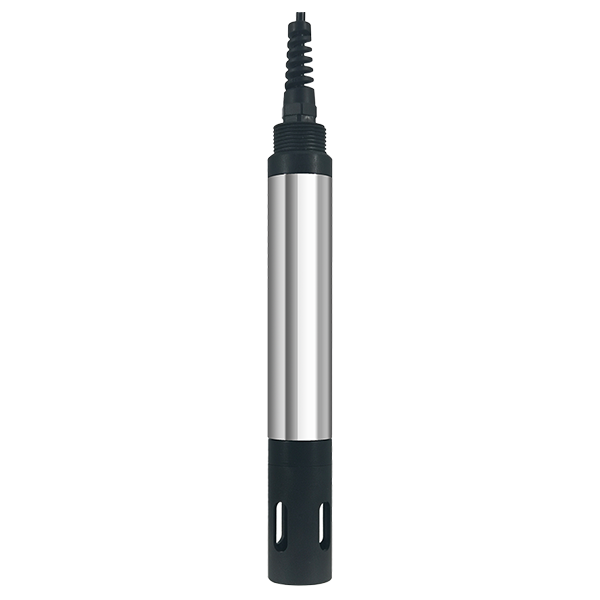
| Dissolved Oxygen | DOG-2082Pro Online Dissolved Oxygen Meter / IOT-485-DO Digital Dissolved Oxygen Sensor |
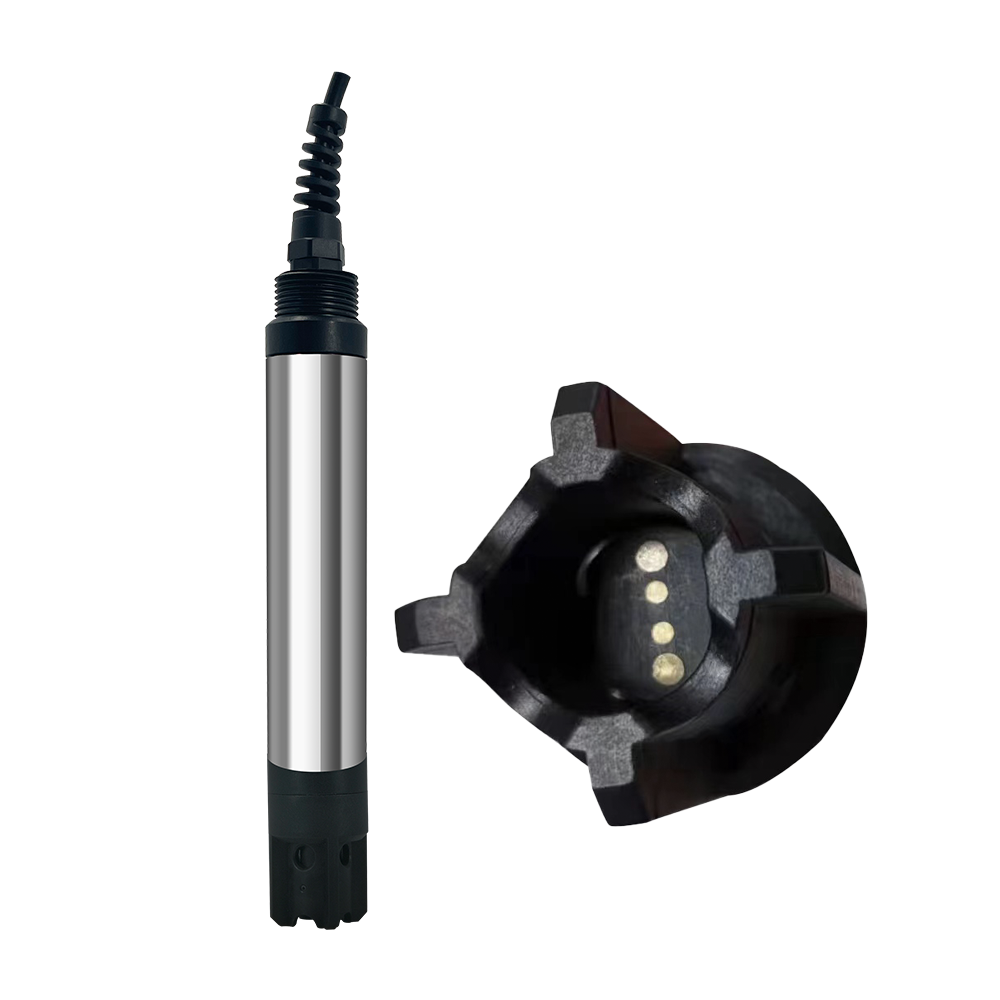
| Conductivity | DDG-2080Pro Online Conductivity Meter / IOT-485-EC Digital Conductivity Sensor |
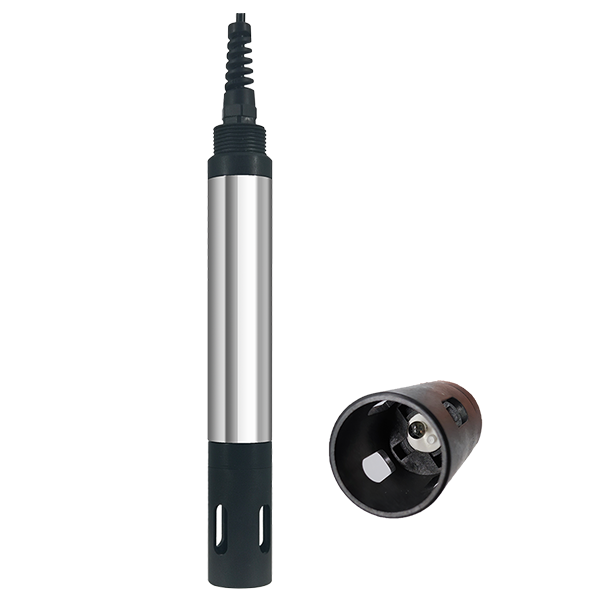
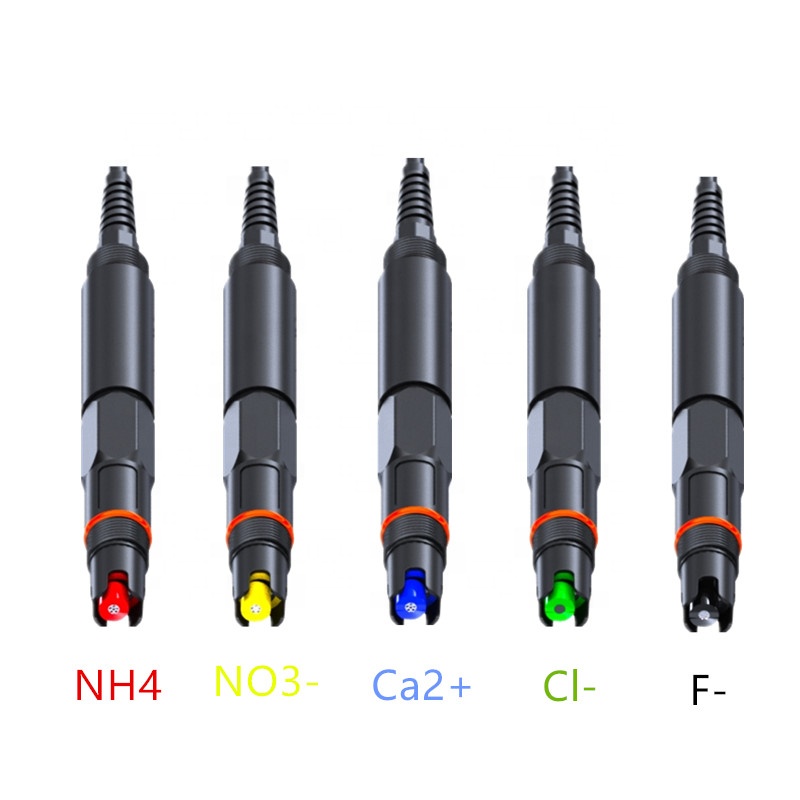
| Ammonia | PXG-2085Pro Online Ion Meter(NH4+) / BH-485-NH Digital Ammonia Sensor |
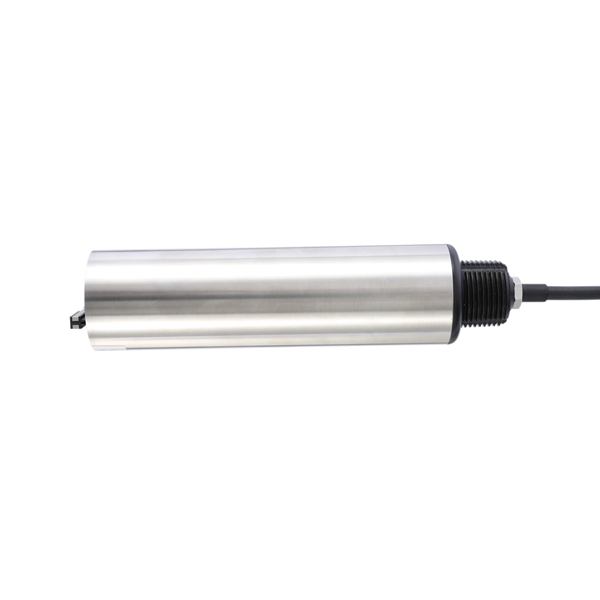
| Turbidity | TBG-2088S Online Turbidity Meter / ZDYG-2088-01QX Digital Turbidity Sensor |
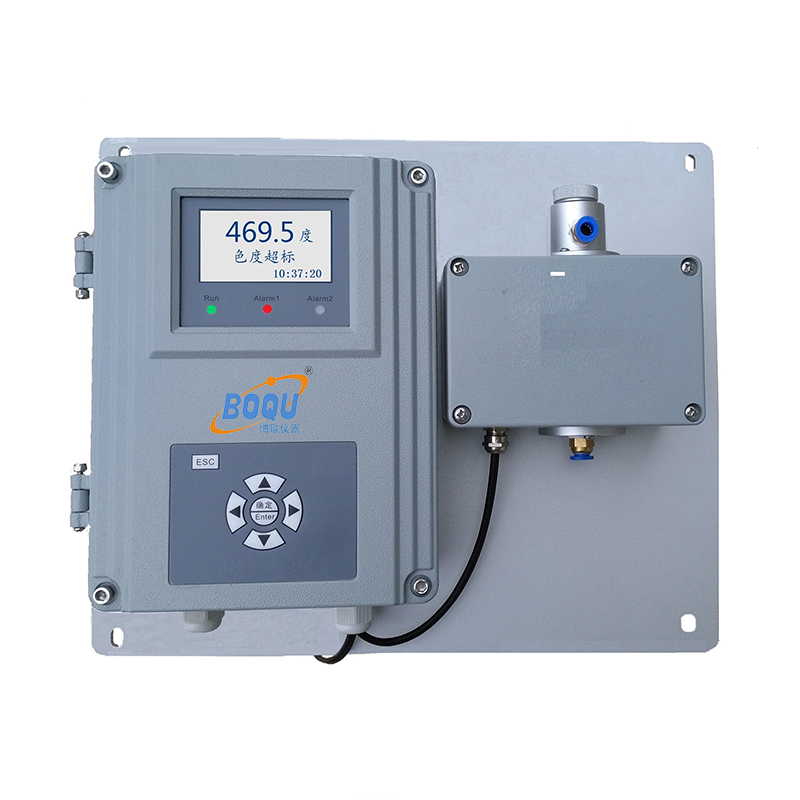
| Transparency | SD-500p Online Color Meter |
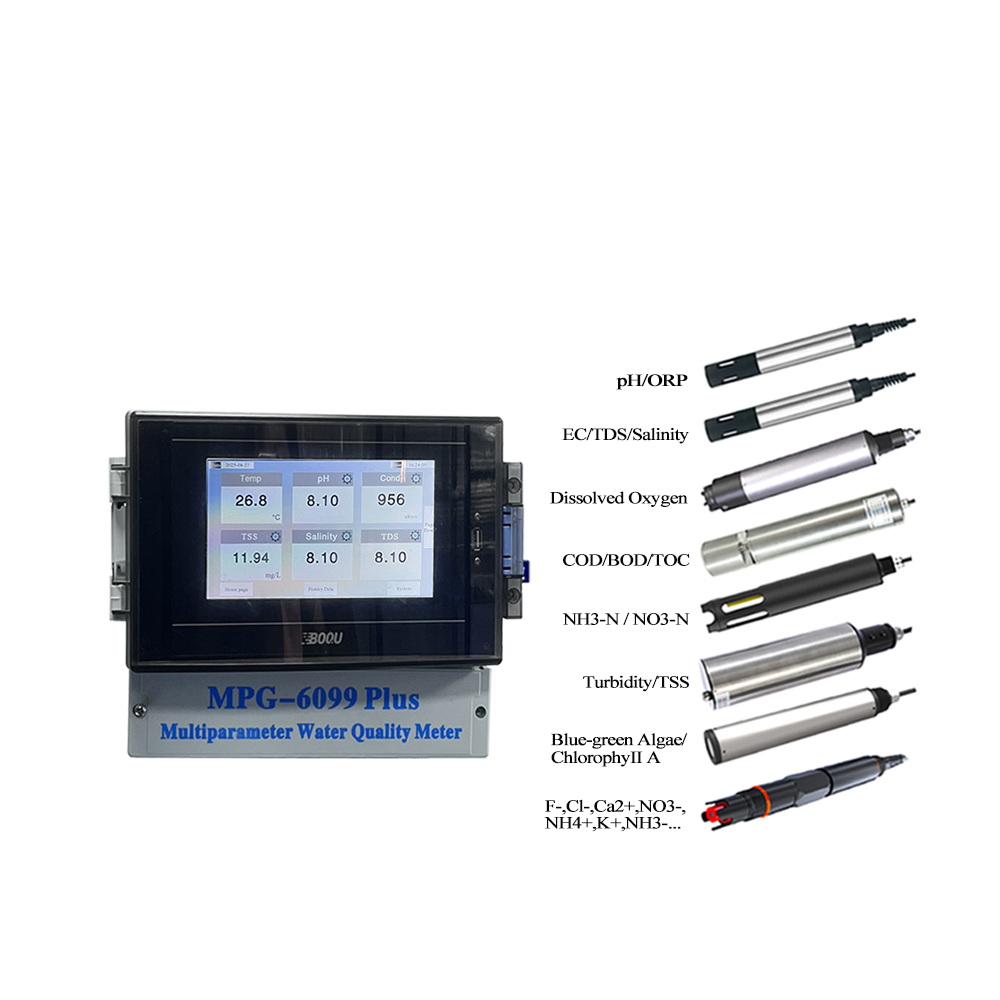
| pH, Conductivity, Turbidity, Salinity, Dissolved oxygen, Ammonia, Temperature | MPG-6099Plus Multi-parameters Water Quality Meter(it can be customized based on requirements.) |