

Application
-
09.23
2026

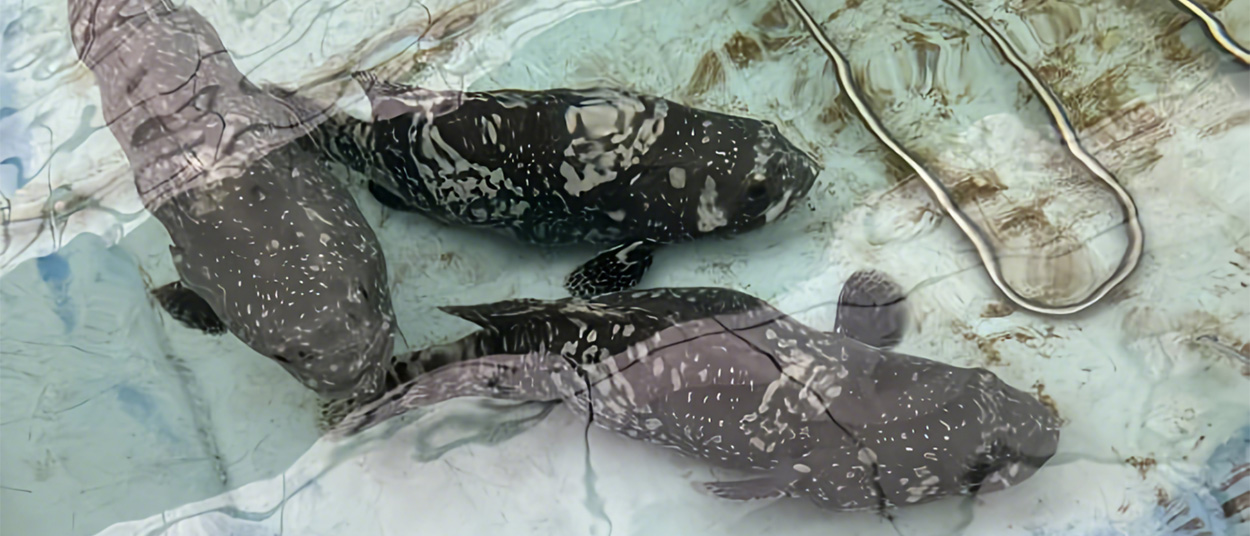
Aquaculture
Aquaculture is highly dependent on water quality. Unlike terrestrial farming, fish, shrimp, and other aquatic organisms live directly in their surrounding water, which means that any significant change in water quality can quickly affect their metabolism, feeding behavior, growth, disease resistance, and even survival.
-
09.23
2026
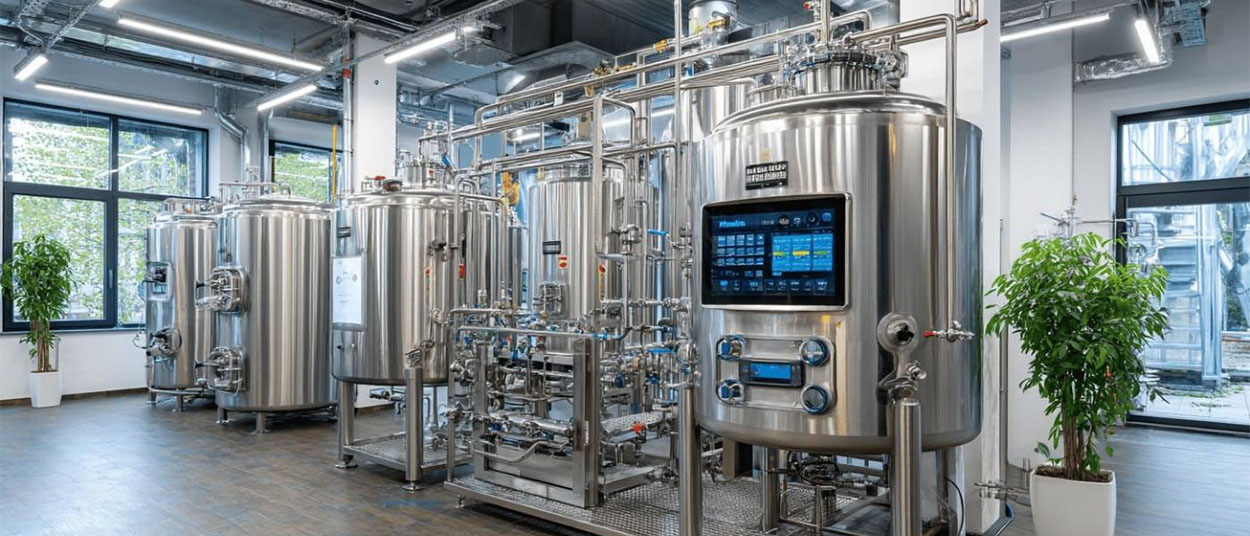
Biopharma Fermentation
In biopharmaceutical manufacturing, fermentation is one of the most critical stages for achieving consistent product quality and process stability. During fermentation, microorganisms or cultured cells are highly sensitive to changes in environmental conditions, particularly pH, dissolved oxygen (DO), conductivity, temperature, and other water quality parameters.
-
09.23
2026
Drinking Water Plant
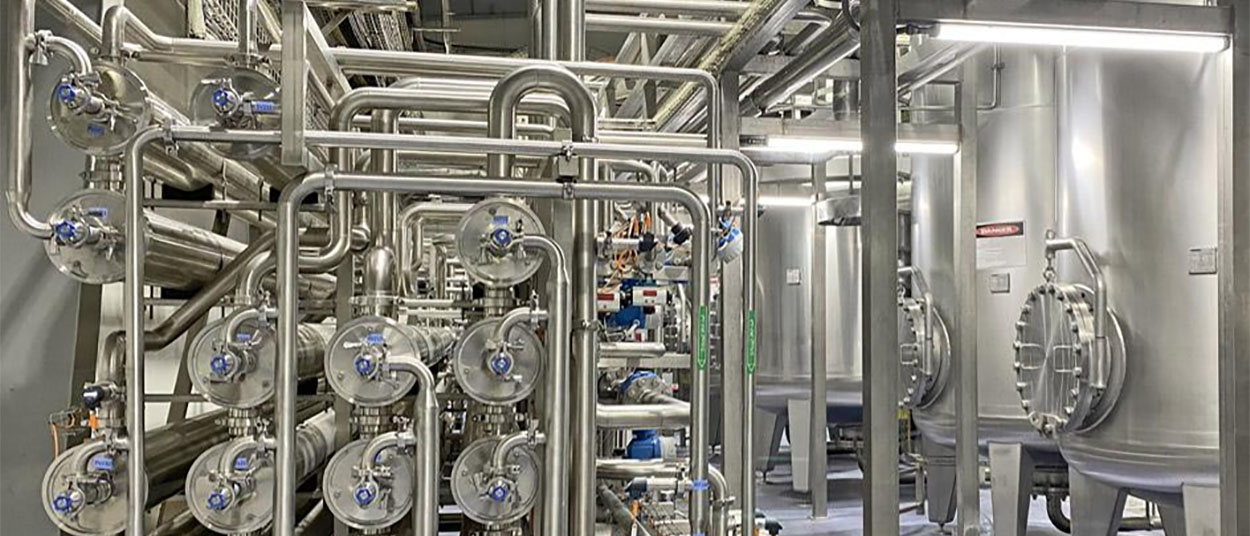
Safe and reliable drinking water is essential to public health. A drinking water treatment plant must continuously control water quality from raw water intake to treatment, disinfection, and final distribution. Because water quality can change rapidly due to rainfall, seasonal variations, source-water pollution.
-
09.23
2026
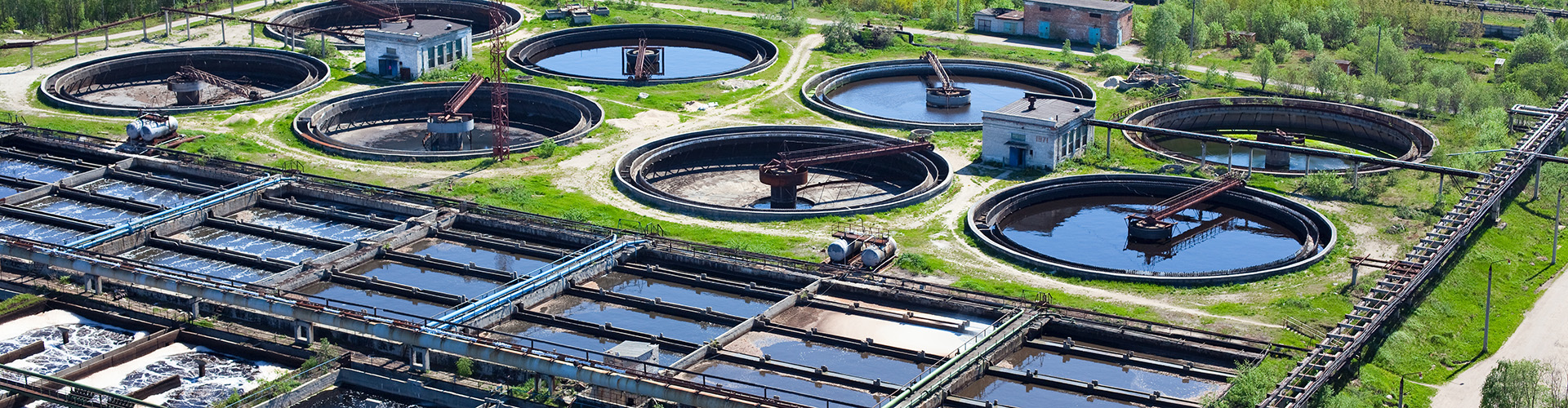
Industrial Waste Water Treatment
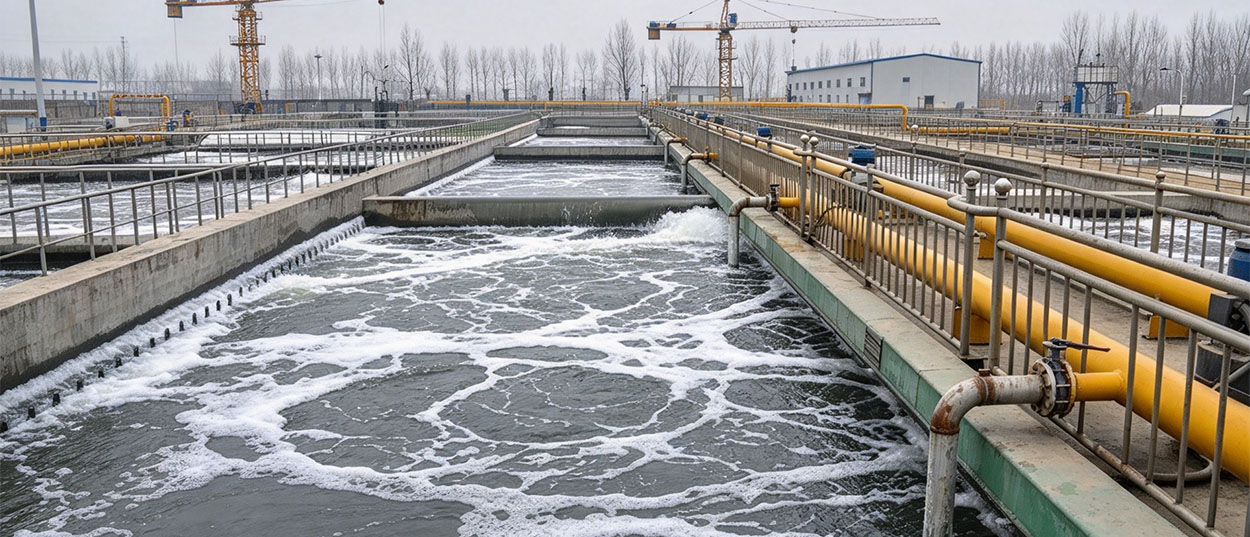
Wastewater treatment is essential for protecting water resources, ecosystems, and public health. However, wastewater characteristics can change continuously due to variations in influent composition, production processes, rainfall, chemical loading, and biological activity. For this reason, periodic laboratory testing alone may not provide sufficient information for effective process control.
-
09.23
2026
Steam Water Analysis System(SWAS)
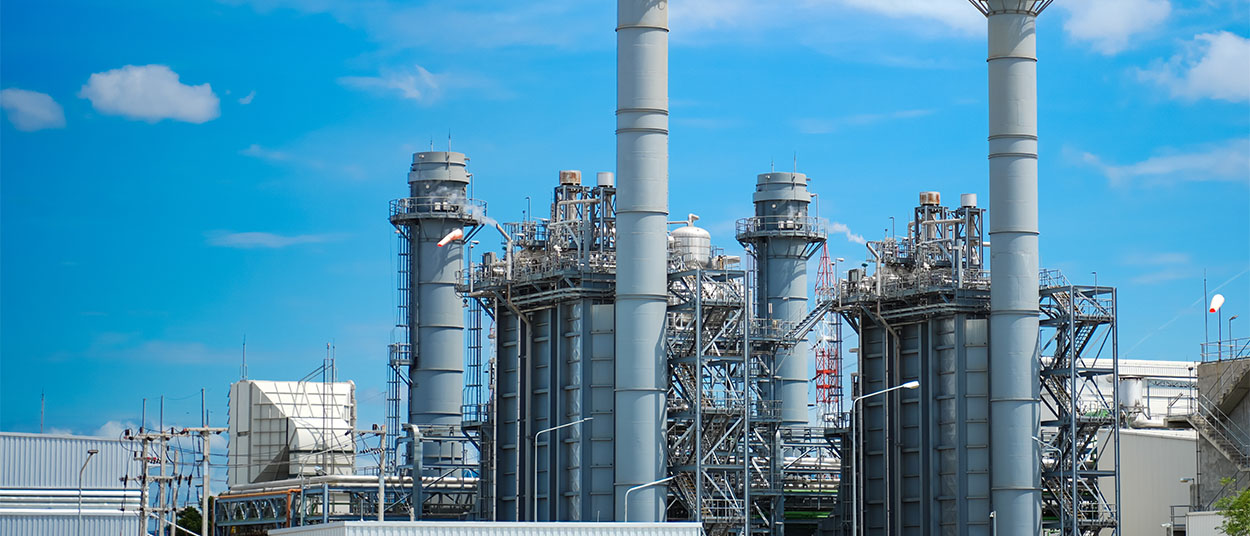
A Steam Water Analysis System (SWAS) is an integrated online monitoring system designed to continuously analyze the quality of steam, boiler water, feedwater, condensate, and other water-steam cycle streams in industrial steam and power-generation systems.
-
09.23
2026
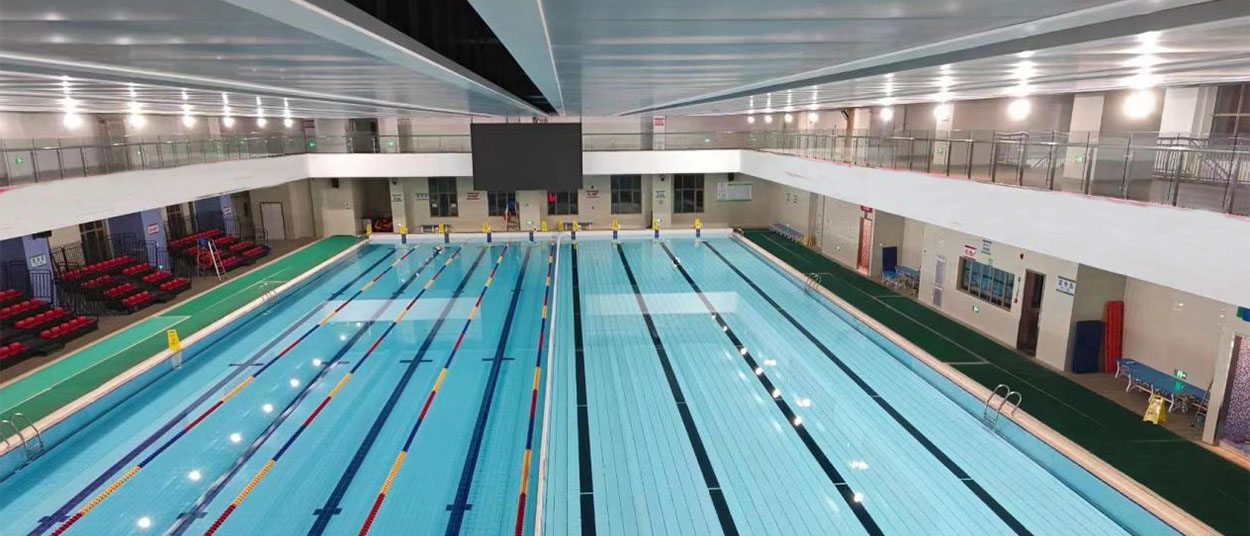
Swimming Pool Water Quality Monitoring
Swimming pool water quality is directly related to swimmer health, disinfection effectiveness, water clarity, and the proper operation of water treatment equipment. During daily operation, sweat, cosmetics, organic matter, microorganisms, and other contaminants continuously enter the pool. At the same time, disinfectant consumption can change rapidly with swimmer numbers, temperature, sunlight, and water circulation.